
The University of Leicester is proud to offer an International Undergraduate Tuition Fee Waiver Scholarship, designed to support exceptional international students who demonstrate outstanding academic achievement and personal initiative. This scholarship program is part of the university’s commitment to fostering global talent and enhancing international diversity on campus. A total of 150 scholarships will be awarded over a five-year period, with the first 30 scholarships available to students starting their studies in September 2026. Each scholarship provides a full waiver of tuition fees for the duration of the eligible undergraduate program, allowing students to fully focus on their studies and personal development without the burden of financial constraints. Eligibility Criteria Applicants must meet specific criteria to be considered for this prestigious scholarship: This scholarship is aimed at high-achieving students who demonstrate both academic excellence and strong potential to contribute to the university community. Application Process To apply, candidates are required to submit a short video, no longer than two minutes, as part of their application. The video should address the following prompts: The video can be submitted in any format, including links to platforms such as YouTube or Google Drive. Applicants do not necessarily have to appear on camera; clarity and thoughtfulness in responses are the key factors. In addition to the video, the selection panel will review the applicant’s academic achievements, personal statement, and any notable extracurricular or community contributions. This ensures that the scholarship is awarded to students who demonstrate both intellectual ability and leadership potential. Selection and Award Details Benefits and Significance This scholarship represents a unique opportunity for high-achieving international students to pursue a world-class education in the United Kingdom. By removing the financial barrier of tuition fees, the scholarship allows students to fully immerse themselves in academic, social, and extracurricular activities. Beyond financial support, the program seeks to cultivate students who are ambitious, socially aware, and committed to contributing positively to the university community. Recipients are expected to embody leadership, innovation, and a global perspective, preparing them to make meaningful contributions in their future careers and society at large. The University of Leicester International Undergraduate Tuition Fee Waiver Scholarship is not only a financial award but also a recognition of excellence and potential. For motivated international students, it opens the door to an enriching academic experience and a platform to achieve extraordinary personal and professional growth. CLICK HERE FOR MORE INFORMATION
Hodgson Law Scholarship 2026
The Hodgson Law Scholarship is a prestigious, fully funded scholarship designed to support outstanding international law graduates in pursuing postgraduate studies at the University of Liverpool in the United Kingdom. Established in memory of Joseph Hodgson, a distinguished legal practitioner, through a trust created by his widow, Elizabeth Hodgson, the scholarship aims to provide access to high-quality legal education for talented students who demonstrate both academic excellence and a commitment to public service. The program is particularly focused on candidates who aspire to contribute positively to their home countries or to the broader global legal community. This scholarship is highly competitive and seeks to empower law graduates from around the world who might otherwise be unable to pursue advanced studies abroad due to financial constraints. By providing financial support and academic opportunities, the Hodgson Law Scholarship fosters the development of future legal leaders with the potential to influence positive change in society. Scholarship Benefits The Hodgson Law Scholarship covers full tuition fees for a full-time postgraduate law degree, including Master of Laws (LLM) programs. In addition to tuition, recipients are provided with a living stipend to assist with maintenance costs while studying in the United Kingdom. The stipend is designed to ensure that students can focus fully on their studies and take full advantage of the opportunities offered by a world-class institution without undue financial stress. For candidates pursuing doctoral-level research, such as a PhD in Law, the scholarship may provide funding for up to three years of full-time study, subject to academic and eligibility criteria. Beyond financial support, recipients benefit from access to a network of scholars, mentors, and professionals in the legal field, providing an environment conducive to both academic growth and career development. Eligibility Criteria The Hodgson Law Scholarship is open to international applicants who are non-UK and non-EU nationals. Eligible candidates must hold, or be in the final year of, a bachelor’s degree in law (or an equivalent qualification) with a strong academic record, typically equivalent to an upper second-class honours (2:1) or higher. Candidates must also demonstrate proficiency in English, ensuring they can fully participate in postgraduate-level coursework and academic discussions. Successful applicants are expected to exhibit: Application Process Applicants must first secure admission to a full-time postgraduate law program at the University of Liverpool. Admission to the university is a prerequisite for scholarship consideration. Once admitted, candidates submit a detailed scholarship application, including academic transcripts, proof of English proficiency, letters of recommendation, a personal statement, and identification documents. Shortlisted applicants may be invited for an interview, which evaluates their motivation, leadership potential, and commitment to public service. Selection is rigorous, ensuring that scholarship recipients possess both the academic capability and personal qualities to maximize the opportunities provided by this award. Why Apply The Hodgson Law Scholarship stands out for its comprehensive support and focus on international impact. By covering tuition and providing a living stipend, it removes financial barriers to advanced legal education, making it accessible to talented candidates worldwide. The scholarship also emphasizes leadership, societal contribution, and academic excellence, aligning recipients’ professional growth with broader community and global impact. Graduates of the program gain access to a world-class education, a distinguished academic institution, and a network of legal professionals and scholars, equipping them with the knowledge, skills, and connections to advance their careers in law, academia, or public service. For ambitious law graduates, this scholarship represents a transformative opportunity to enhance legal expertise while making a meaningful difference in their communities and beyond. CLICK HERE FOR MORE INFORMATION

FAO Internship Programme for Africa (RAF) – 2025
The Food and Agriculture Organization of the United Nations (FAO) is inviting applications for its prestigious 2025 Internship Programme, designed specifically for individuals interested in contributing to sustainable agriculture, food security, and rural development across Africa. This programme provides a unique opportunity for motivated graduates and early-career professionals to gain first-hand experience within an internationally recognized organization committed to improving agrifood systems and supporting resilient communities across the continent. About the FAO Internship Programme FAO’s Internship Programme aims to cultivate the next generation of professionals who are passionate about agricultural development, environmental sustainability, and global food security. Interns will work closely with the Regional Office for Africa (RAF), engaging in meaningful projects and initiatives that address some of the most pressing challenges in the region. Through this program, participants gain insight into FAO’s policies, strategies, and programmes, equipping them with practical skills and knowledge relevant to careers in international development, policy planning, and project management. The internship offers a unique platform for participants to learn about the intersection of agriculture, climate change, and socio-economic development. Interns are exposed to a variety of tasks, including data collection and analysis, project reporting, research support, and policy drafting. They may also contribute to initiatives focusing on improving food security, strengthening rural livelihoods, promoting sustainable agricultural practices, and enhancing climate resilience. The program is designed to provide a comprehensive understanding of how international organizations operate and implement projects that have tangible impacts on communities. Eligibility and Requirements The FAO Internship Programme welcomes applications from highly motivated candidates who have completed, or are in the final stages of completing, a university degree in areas such as agriculture, economics, social sciences, environmental studies, nutrition, or related fields. Candidates should demonstrate a strong interest in FAO’s core areas of work, including sustainable development, food security, and rural development. Applicants are expected to possess excellent analytical and communication skills, a willingness to learn, and the ability to work collaboratively in multicultural and interdisciplinary teams. Prior work experience in related fields, while not mandatory, can enhance an applicant’s competitiveness. Fluency in English is generally required, while knowledge of additional languages such as French, Portuguese, or Arabic is an advantage given the multilingual environment in which FAO operates. Benefits of the Internship The FAO internship offers invaluable professional development opportunities. Interns gain exposure to the inner workings of an international organization, learning from experienced professionals who are leaders in their respective fields. The program provides networking opportunities with stakeholders, policymakers, and experts from across Africa and beyond. Additionally, the internship enables participants to develop skills that are highly sought after in the global development sector. By contributing to impactful projects and research, interns acquire practical knowledge in areas such as project planning, policy analysis, reporting, data management, and advocacy. The experience strengthens career prospects for individuals aspiring to work in government agencies, non-governmental organizations, international institutions, or research institutions focusing on agricultural development and food security. Application Process Candidates interested in the FAO Internship Programme must submit their applications directly through FAO’s official recruitment portal. Applications should include an updated curriculum vitae, academic transcripts, and a personal statement outlining the applicant’s interest in the program and how their background aligns with FAO’s mission. It is important to ensure that all sections of the application are completed accurately to be considered for selection. The FAO Internship Programme is a competitive and highly selective opportunity. Successful candidates are those who demonstrate strong academic credentials, relevant experience, and a clear commitment to FAO’s vision of eradicating hunger and achieving sustainable food systems. By participating in this program, interns contribute meaningfully to FAO’s mission, gaining exposure to international development practices and building the foundation for a rewarding career in global development. Conclusion The FAO Internship Programme for Africa is a remarkable opportunity for aspiring professionals to engage directly with international development work while contributing to initiatives that strengthen food security and sustainable agriculture. The program equips participants with both practical experience and professional skills, fostering a deep understanding of the challenges and solutions in agriculture and rural development. Candidates who are committed, curious, and eager to learn will find this internship an invaluable stepping stone toward a successful career in global development and international organizations. CLICK HERE FOR MORE INFORMATION

UNICEF / ECW Remote Internship 2026 — Monitoring & Evaluation
The Education Cannot Wait (ECW) Remote Internship 2026 offers an exceptional opportunity for students and recent graduates to gain hands-on experience in global humanitarian and development work. ECW is the first global fund dedicated exclusively to education in emergencies, supporting children and youth, aged 3–18, affected by conflict, natural disasters, and protracted crises. Established in 2016, ECW mobilizes international resources and expertise to ensure that children in crisis situations have access to quality education. While hosted by UNICEF for administrative purposes, ECW operates under its own governance, with the ECW Secretariat managing daily operations and programme implementation. The internship is designed for individuals with an interest in monitoring and evaluation (M&E) in the context of education in emergencies. It offers an immersive experience in supporting the assessment of ECW-funded projects, enabling interns to contribute to programmes that directly impact vulnerable populations. Participants will work under the supervision of the ECW M&E team, providing support in data collection, analysis, reporting, and knowledge management. Responsibilities Interns will be integrated into the ECW Secretariat’s Monitoring & Evaluation team, assisting with technical tasks to enhance the fund’s reporting and programme effectiveness. Key responsibilities include reviewing and coding reports, ensuring data quality, consolidating programme results, and contributing to the preparation of annual and thematic reports. Interns will also participate in research activities, conduct literature reviews, support evaluations, and assist in knowledge-sharing initiatives. Through these tasks, interns will develop a comprehensive understanding of the role of data and evidence in shaping effective educational interventions in crisis-affected regions. Eligibility Criteria Applicants must meet specific academic and professional requirements to qualify for this internship. Candidates should be at least 18 years old and either currently enrolled in a Master’s programme or have completed a Bachelor’s or Master’s degree within the past three years. A background in Education, International Development, Humanitarian Studies, Social Sciences, or a related field is required. Candidates should demonstrate competence in quantitative or qualitative data analysis, with experience in tools such as Excel, R, STATA, or similar software. Fluency in English is essential, while additional proficiency in French or Spanish is considered an advantage. Individuals with lived experience in low- or middle-income countries are especially encouraged to apply. Candidates must not have immediate family members employed by UNICEF or ECW to ensure impartiality. Internship Details The internship is full-time, requiring approximately 35 hours per week, and is primarily remote, allowing participants to work from their location while adhering to Geneva/CET working hours. The duration of the internship is 5–6 months, with a start date anticipated between February and March 2026. Interns may take up to 2.5 days off per month, with stipends adjusted accordingly. For interns based in major duty stations such as New York, Geneva, or Copenhagen, the monthly stipend is USD 1,700, while those working from other locations receive a proportionate adjustment. Five internship positions are available for this cycle. Benefits of the Internship This internship provides a unique opportunity to gain practical experience in monitoring and evaluating international education programmes within humanitarian contexts. Interns will develop key skills in data management, analysis, and reporting, while contributing to programmes that support children and youth affected by crises. The remote format provides flexibility, making it accessible to applicants worldwide who can work during Geneva/CET hours. Additionally, interns will benefit from mentorship and guidance from experienced professionals, enhancing their career prospects in humanitarian aid, education, and international development. Application Process Interested candidates are encouraged to prepare their application carefully, ensuring they meet all eligibility criteria. Applications are reviewed on a competitive basis, with a focus on academic background, relevant skills, and alignment with ECW’s mission. Successful applicants will be notified and provided with detailed onboarding instructions to begin their internship in early 2026. Participating in the ECW Remote Internship offers a meaningful opportunity to contribute to global efforts to provide education in emergencies, equipping interns with the skills, experience, and professional exposure needed to advance their careers while making a tangible impact on the lives of children and youth around the world. CLICK HERE FOR MORE INFORMATION

Endangered Material Knowledge Programme (EMKP) 2025/2026 Legacy Digitisation Grant
The Endangered Material Knowledge Programme (EMKP) has announced its 2025/2026 application cycle for the Legacy Digitisation Grant, an initiative dedicated to preserving and safeguarding valuable documentation of material knowledge. This grant seeks to support projects that ensure at-risk cultural, craft, and community-based knowledge is digitally preserved and made accessible for future generations. Applications for this funding opportunity will be accepted from 22 October 2025 until 19 January 2026 (12:00 GMT), and applicants are encouraged to submit early to allow sufficient time for review and preparation. Purpose and Scope The Legacy Digitisation Grant is designed to protect “legacy” materials, which are records and documentation from completed projects that might otherwise be lost due to deterioration, outdated storage formats, or lack of digital accessibility. These materials are essential for preserving historical, cultural, and technical knowledge, including community practices, artisanal techniques, and traditional craftsmanship. Eligible materials for this grant include field notes, journals, photographs, slides, negatives, audio and video recordings, sketches, diagrams, project reports, and related documentation. In some cases, objects or artifacts that are accompanied by historical records may also be considered. By digitising these materials, EMKP aims to support long-term preservation, facilitate scholarly research, and provide public access to knowledge that might otherwise remain inaccessible or forgotten. Grant Details and Funding The Legacy Digitisation Grant provides support for projects lasting up to one year, with a maximum award of £20,000. Funding can be applied toward digitisation equipment, specialized services, technical support, metadata creation, staff salaries, training, and other necessary expenses that ensure high-quality, secure, and effective digitisation. Projects may only commence after all administrative agreements, including detailed budgets, digital management plans, and ethical review documentation, have been finalized with EMKP. Successful applications will demonstrate a clear strategy for digitising and preserving legacy materials, including consideration of long-term storage, accessibility, and adherence to ethical standards. The grant emphasizes the importance of careful planning, technical expertise, and community engagement to guarantee that the preserved materials remain valuable and usable over time. Who Can Apply The Legacy Digitisation Grant is open to applicants globally, with no restrictions on nationality. Eligible applicants include individuals affiliated with recognized institutions, museums, libraries, archives, cultural centers, community organizations, or other groups responsible for preserving legacy documentation. Original creators or custodians of materials are also encouraged to apply. Priority will be given to projects that demonstrate both cultural significance and practical strategies for long-term preservation. Applicants are advised to carefully review the application guidelines, particularly with regard to eligibility, ethical considerations, budget justification, and submission procedures. Projects should include letters of support or endorsement from partner institutions when applicable, demonstrating institutional commitment to the preservation and accessibility of the materials. Application Requirements A complete application must contain a clear project summary and description, detailing the significance of the legacy materials and the methods to be used for digitisation. Applicants must provide information on technical approaches, ethical considerations, data management plans, and project budgets with detailed justification. Evidence of institutional support, including letters or documentation from collaborating organizations, should also be included to strengthen the application. Selected applicants are required to finalize the Grant Agreement within six months of award notification. Any delays in completing administrative or contractual obligations may result in withdrawal of funding, so applicants are encouraged to begin preliminary discussions with relevant institutions early in the application process. Importance of the Grant The EMKP Legacy Digitisation Grant plays a vital role in protecting intangible and tangible cultural heritage worldwide. By supporting the digitisation of legacy materials, EMKP ensures that knowledge systems related to traditional crafts, community practices, and material culture are preserved and accessible to researchers, communities, and future generations. This initiative promotes the long-term sustainability of cultural knowledge and fosters understanding, appreciation, and dissemination of heritage that might otherwise be at risk of disappearing. Through this Legacy Digitisation Grant, EMKP reinforces its commitment to global knowledge preservation, ensuring that endangered material knowledge is not only safeguarded but also made widely accessible for research, education, and cultural engagement. CLICK HERE FOR MORE INFORMATION
Funding Fairer Futures 2026 – Call for Youth-Led Climate Justice Proposals
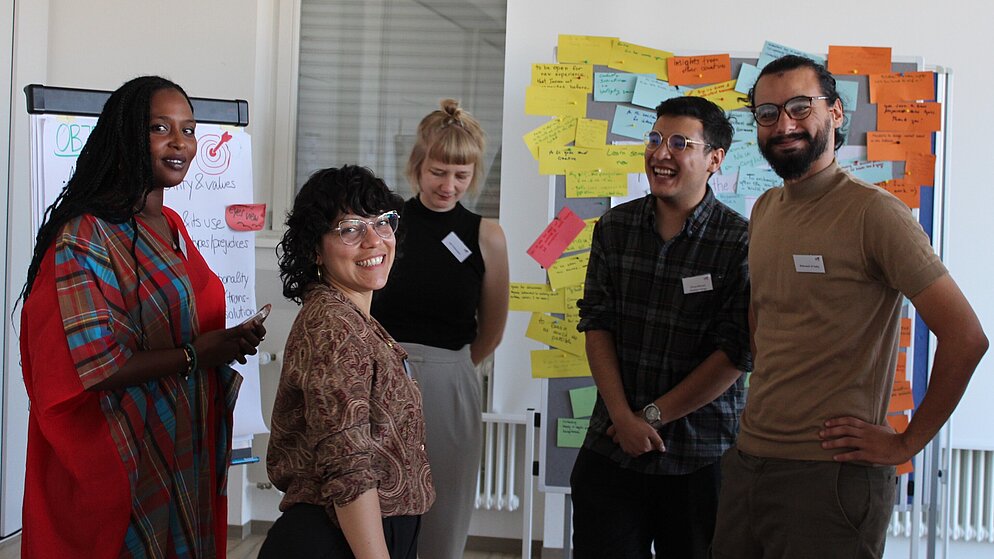
The Funding Fairer Futures initiative has opened its 2026 call for proposals, offering a significant opportunity for youth-led organisations and informal groups across Europe that are committed to advancing climate justice and inclusive environmental action. Designed to shift the climate movement toward greater equity, representation, and accountability, the initiative aims to ensure that young people particularly those from underrepresented and marginalised communities are equipped and empowered to shape climate policies and drive sustainable change. This Funding Fairer Futures collaborative initiative is delivered by a network of organisations deeply invested in climate justice, community empowerment, and inclusive advocacy. Together, they have created a programme that goes beyond financial support to include capacity building, mentoring, networking, and long-term organisational strengthening. Central to this effort is the Youth Climate Changemakers Fund, the largest dedicated climate justice fund in Europe specifically tailored for youth-led groups. The Fund places strong emphasis on diversifying the voices involved in climate activism, reaching young people who may not traditionally identify as climate advocates but whose daily lives and communities are affected by environmental and social inequalities. Funding Opportunities The Funding Fairer Futures programme offers flexible, accessible financial support based on the structure of the applying group: Applicants must be located in one of the 27 EU Member States. The call intentionally welcomes organisations whose primary mission may not be environmental, such as groups working in social justice, health, disability rights, community well-being, culture, education, or youth empowerment. What matters is the desire to explore and strengthen the connection between their core mission and climate justice. Strategic Priorities of the Fund The Funding Fairer Futures 2026 cycle focuses on four key areas that collectively support the development of a robust, inclusive, and sustainable youth climate ecosystem: 1. Building Youth Climate Leadership Funding Fairer Futures aims to ensure young leaders have the tools, visibility, and resources to shape public discourse and advocate effectively at local, national, and European levels. This includes leadership training, coaching, access to expert mentors, communication support, and opportunities to engage with policymakers. 2. Engaging New and Underrepresented Voices A major priority is expanding climate advocacy to groups historically excluded from environmental decision-making. This includes youth with disabilities, migrant and diaspora youth, rural communities, low-income groups, and youth-led organisations focusing on arts, sports, health, or education. The initiative recognises that climate justice is deeply linked to social justice and seeks voices that reflect Europe’s full diversity. 3. Strengthening Long-Term Community Impact The Funding Fairer Futures programme encourages applicants to consider how their projects can contribute to sustained change. This may involve enhancing organisational governance, establishing ongoing climate or community programmes, developing advocacy strategies, creating long-lasting partnerships, or building internal capacity that will endure beyond the grant period. 4. Creating a Pan-European Network of Change-Makers Selected organisations will join a growing community of youth climate leaders committed to sharing knowledge, collaborating on initiatives, and amplifying collective impact. Through events, workshops, and regional exchanges, the programme fosters solidarity across Europe and strengthens the visibility of youth-led climate movements. Eligible Project Activities Projects may include but are not limited to: Additionally, other calls for feminist climate action, global climate justice, community resilience, and regenerative local initiatives will be announced under related funding streams offering multiple entry points for organisations addressing interconnected social and climate issues. CLICK HERE FOR MORE INFORMATION
SVRI–Kering Foundation Early Career Research Fellowships 2026
The Sexual Violence Research Initiative (SVRI), in collaboration with the Kering Foundation, is inviting applications for the 2026 Early Career Research Fellowships. This prestigious programme aims to support emerging researchers in low- and middle-income countries (LMICs) who are committed to advancing knowledge on the intersections of violence against women (VAW) and violence against children (VAC). Through financial support, mentorship, and capacity-building opportunities, the initiative seeks to strengthen global research leadership and promote evidence-based solutions to gender-based violence. In 2026, four fellowships will be awarded two at the doctoral level and two at the postdoctoral level. The fellowship is part of a multi-year collaboration designed to deepen understanding of how violence against women and children overlap, co-occur, and influence each other across various social and cultural contexts in LMICs. By empowering early-career researchers, the programme aims to generate locally grounded insights that can drive meaningful policy and programmatic change. Programme Objectives The primary goal of the fellowship is to cultivate a new generation of scholars who can lead transformative research on gendered violence. Specifically, the programme seeks to: Fellowship Structure and Funding The fellowship awards are structured as follows: The financial support is designed to enable fellows to conduct independent, high-quality research while receiving structured mentorship from experienced scholars and practitioners. Fellows will also gain access to peer-learning sessions, training workshops, and opportunities to disseminate their findings through conferences and publications. Eligibility Requirements Applicants must meet the following criteria to be considered: Preference may be given to applicants from underrepresented regions or communities, and to those whose work addresses critical gaps in evidence. Application Requirements Candidates must submit the following materials through the official application platform: Shortlisted applicants will be invited for panel interviews before the final selection is made. Application Deadline All applications must be submitted by 31 January 2026 at 11:50 PM SAST. Late or emailed submissions will not be considered. CLICK HERE TO APPLY

Tech Reporting Fellowship 2026 — Professional Opportunity
Are you fascinated by how technology reshapes societies, economies, and governance? The 2026 Tech Reporting Fellowship, offered jointly by openDemocracy and Tech Policy Press, is a fully funded, year-long journalism placement based in the UK designed for professionals ready to investigate and illuminate tech’s powerful influence on public life. Overview This Tech Reporting Fellowship runs for 12 months and embeds the selected candidate within openDemocracy’s UK bureau. Throughout the fellowship, you’ll receive mentorship from experienced editors at Tech Policy Press (with bases in Europe and the U.S.), and have your work published on both platforms giving your reporting an international audience and substantial visibility. Compensation for the fellowship is £30,000 per annum, paid monthly. What You’ll Do As a Tech Reporting Fellowship fellow, you’ll carry a wide range of editorial responsibilities aimed at producing high-impact journalism on technology and its intersections with democracy, governance, media, energy, geopolitics and everyday life. Specifically: This structure promises both the rigor and discipline of a newsroom environment and the creative freedom to pursue in-depth, long-form journalism. Who Should Apply The Tech Reporting Fellowship welcomes a broad spectrum of applicants. While preference is given to candidates with a journalism background, researchers, lawyers, technologists, public-policy professionals, and others with a demonstrated interest in technology and its societal impact are also eligible and encouraged to apply. Ideal candidates will have a genuine passion for public-interest reporting particularly around subjects such as AI, digital governance, media ethics, energy transition, civil liberties, or global tech policy. Because this is a UK-based fellowship, applicants must already have the right to live and work in the United Kingdom; visa sponsorship is not provided. While applications from across the UK are accepted, there is a preference for candidates based in or near London, to facilitate easier engagement with editorial meetings, events, and sources. Applicants from other regions are welcome, provided they clearly explain how they will manage location challenges in their cover letters. Application Requirements To apply, you will need to submit: Be sure in your memo to demonstrate both your sense of urgency and your capacity for long-form reporting and to connect your ideas to larger social, political or technological themes. Why This Fellowship Matters We are living in an era where technology doesn’t just impact convenience it shapes energy infrastructures, influences global geopolitics, transforms economies, and alters how societies govern themselves. The Tech Reporting Fellowship offers a rare chance for journalists and critical thinkers to step into the frontlines of this transformation, researching and reporting issues that will define the future. With editorial support, newsroom access, and publication through influential international platforms, the Tech Reporting Fellowship empowers you to craft stories that inform global conversations amplifying underreported issues and holding powerful technological forces to account. For anyone committed to public-interest journalism at the intersection of tech and society, this fellowship presents a singular opportunity to grow, contribute, and make a tangible impact. Deadline: January 10, 2026 CLICK HERE TO APPLY
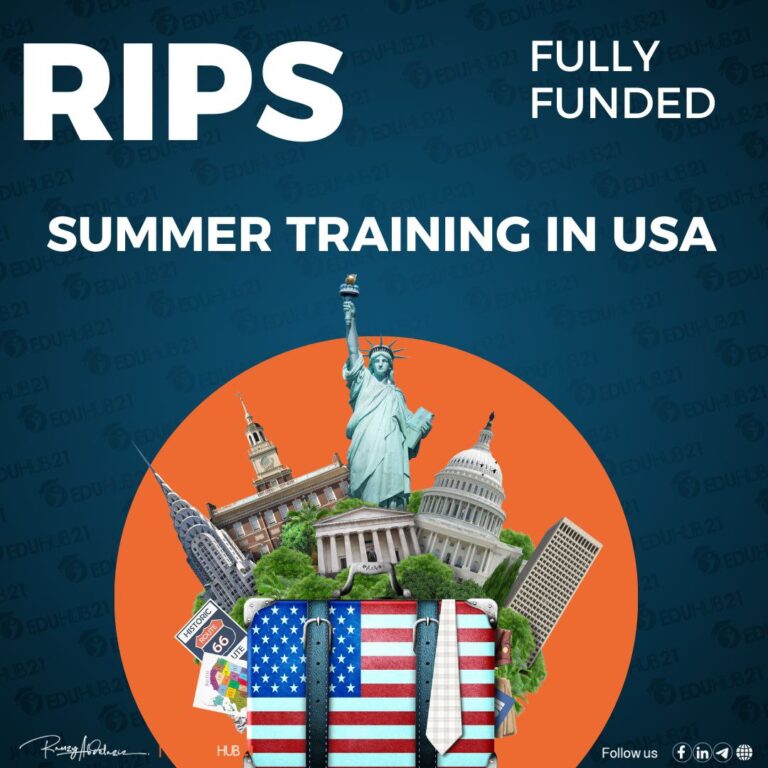
Research in Industrial Projects for Students (RIPS) Summer Internship – USA (2026)
The Research in Industrial Projects for Students (RIPS) Summer Internship, hosted by the Institute for Pure and Applied Mathematics (IPAM) at the University of California, Los Angeles (UCLA), is a nine-week, fully funded program designed to provide undergraduate students and recent graduates with hands-on experience in applying mathematical and computational techniques to real-world problems. Scheduled from June 22 to August 21, 2026, the program offers participants the opportunity to collaborate with industry partners, government agencies, and academic mentors to tackle complex challenges through research-driven projects. Research in Industrial Projects for Students (RIPS)is highly regarded for its ability to bridge academic knowledge with practical application. Interns work in teams, receiving guidance from both faculty and industry professionals, fostering a collaborative environment where innovative solutions are developed. The program emphasizes not only technical skill development but also professional growth, networking, and exposure to diverse career paths in research and industry. Eligibility Criteria Research in Industrial Projects for Students (RIPS) invites applications from highly motivated students who meet the following criteria: The program seeks candidates who demonstrate intellectual curiosity, analytical aptitude, and a collaborative mindset. Previous research experience is advantageous but not mandatory, as the program emphasizes mentorship and learning through practical engagement. Program Benefits Participants of the Research in Industrial Projects for Students (RIPS) Summer Internship receive comprehensive support designed to enhance both their academic and professional development: The combination of mentorship, team-based research, and hands-on experience equips participants with the skills and knowledge necessary to excel in both academic and professional environments. Application Process To apply for the Research in Industrial Projects for Students (RIPS) Summer Internship, candidates must submit a complete application that typically includes: Applications are submitted through the official program portal, usually opening in November and closing in early February. Successful candidates are selected based on academic merit, research potential, and alignment with the program’s objectives. Why Choose RIPS Research in Industrial Projects for Students (RIPS) provides a unique opportunity to engage in meaningful, industry-focused research while receiving mentorship and support from leading experts. Interns gain practical experience, improve problem-solving and analytical skills, and build professional networks that can significantly impact their future careers. The program’s inclusive approach, combined with financial support for housing, meals, and travel, ensures that talented students from diverse backgrounds can participate fully and benefit from this transformative experience. By participating in Research in Industrial Projects for Students (RIPS), interns not only enhance their technical expertise but also develop essential professional competencies, including teamwork, leadership, and communication. The program prepares students for graduate study, research careers, or industry positions by offering a strong foundation in applied mathematics, computational methods, and collaborative problem-solving. Research in Industrial Projects for Students (RIPS) is more than an internship; it is an immersive experience that equips aspiring researchers with the skills, connections, and confidence to tackle real-world challenges and advance in their academic or professional journeys. CLICK HERE FOR MORE INFORMATION
Education Cannot Wait(ECW)-UNICEF Internship 2026 (Monitoring & Evaluation) — Switzerland / Remote
The Education Cannot Wait (ECW) fund, managed by UNICEF, is dedicated to delivering education in emergencies and crisis-affected regions. ECW focuses on ensuring that children and youth who face conflict, natural disasters, or displacement can access safe and quality learning opportunities. In 2026, ECW is offering a Monitoring & Evaluation (M&E) internship designed for highly motivated recent graduates and master’s students seeking hands-on experience in the international humanitarian and development sector. This internship provides a unique opportunity to contribute to programs that have a direct impact on education for vulnerable populations worldwide. Importance of the Internship Interns at Education Cannot Wait (ECW) gain practical exposure to the operational, analytical, and strategic aspects of international humanitarian work. The program allows participants to engage directly in the collection, assessment, and analysis of data from projects implemented in various countries, enhancing learning outcomes and overall program effectiveness. By participating in this internship, candidates play a role in shaping education programs in regions where access to schooling is often disrupted, thereby contributing to a global mission of equitable and inclusive education. Internship Details Key Responsibilities Interns are expected to actively support the M&E functions of Education Cannot Wait(ECW). Responsibilities include: Candidate Profile The ideal candidates for this internship are: Professional Benefits This internship provides exceptional career development opportunities. Interns gain practical experience in monitoring, evaluation, research, and report writing, skills that are highly valuable in the humanitarian, development, and international education sectors. Participants also gain exposure to a high-level international organization, working alongside experienced professionals and experts in crisis education. The role provides networking opportunities, practical insights into global education funding, and the chance to contribute to initiatives that directly affect thousands of children and youth worldwide. Application Process The application process is competitive, with only a limited number of interns selected each year. Interested candidates should submit their applications before the stated deadline. Early application is recommended to increase the likelihood of selection. Successful applicants are expected to demonstrate both strong technical skills and a genuine commitment to advancing education in emergency settings. By joining the Education Cannot Wait (ECW) internship program, participants can expect a meaningful, impactful, and professionally enriching experience, gaining insights and skills that will serve as a foundation for future careers in international development and humanitarian work. APPLICATION DEADLINE:December 19, 2025 CLICK HERE FOR MORE INFORMATION
