

The British Council is offering a significant funding opportunity through its Student Women Economic Empowerment Programme (SWEEP), designed to promote gender equality and entrepreneurial growth among female students. With grants of up to £60,000, this initiative encourages collaborative projects between higher education and vocational institutions in the United Kingdom and South Africa, aiming to strengthen women’s economic participation while fostering institutional innovation and capacity building. Purpose of the Programme SWEEP seeks to support programmes that enhance female student entrepreneurship and leadership. It focuses on initiatives that provide practical skills, mentorship, and innovative approaches to empower women economically. Beyond individual impact, the programme also aims to promote structural changes within institutions to advance equality, diversity, and inclusion. By encouraging UK and South African institutions to collaborate, SWEEP facilitates knowledge exchange, innovation in curriculum design, and sustainable approaches to supporting women’s professional development. Who Can Apply Eligible applicants are consortia composed of at least two lead institutions one based in South Africa and the other in the United Kingdom. These consortia can include between three to seven partner institutions, either public or private, all of which are committed to promoting female entrepreneurship in higher education or technical and vocational education and training (TVET). Lead institutions must demonstrate a strong track record of supporting women’s entrepreneurship or similar initiatives, ensuring they have the expertise and capacity to manage a collaborative project effectively. Partner institutions contribute by bringing diverse perspectives, resources, and networks to enhance the impact and sustainability of the proposed programme. Grant Scope and Allowable Expenses The grant is designed to cover direct project costs that support the programme’s objectives. Eligible expenditures include: The programme does not cover institutional overheads, scholarships or stipends for students, standard office equipment, infrastructure or construction costs, entertainment, or intellectual property expenses unrelated to the project. The focus remains on activities that directly contribute to empowering female students and strengthening institutional capacity. Application and Selection Process Consortia must submit a joint proposal detailing their objectives, planned activities, expected outcomes, and budget. Applications require letters of support from both lead institutions and evidence of commitment from all partner organizations. Successful applicants will be selected based on the relevance and feasibility of their project, potential for sustainable impact, and alignment with SWEEP’s objectives of enhancing women’s economic empowerment. Once awarded, consortia are expected to provide an inception report, interim progress updates, and a comprehensive final report detailing outcomes, lessons learned, and recommendations for future initiatives. Why This Opportunity Is Important This grant provides a strategic platform to empower women in education and entrepreneurship, addressing persistent gender inequalities in access to professional opportunities. By fostering collaboration between UK and South African institutions, the programme encourages cross-cultural learning, innovative approaches, and shared resources to support female students. Furthermore, SWEEP emphasizes the importance of long-term institutional development. Funding is allocated not only to student-focused activities but also to enhancing the capacity of participating institutions to design, implement, and sustain initiatives that support women’s economic empowerment. This dual focus ensures that the programme benefits both the participants and the wider educational community. By investing in female entrepreneurship and leadership, the SWEEP initiative contributes to broader social and economic development. Empowered female graduates are more likely to create businesses, influence policy, and become role models for future generations. The programme’s collaborative approach ensures that knowledge, experience, and best practices are shared across institutions and countries, amplifying the impact of the initiative beyond the immediate project period. In conclusion, the SWEEP grant presents a transformative opportunity for institutions to join forces and create meaningful, sustainable change for women in higher education and vocational training. By combining financial support, strategic collaboration, and a focus on gender equality, this programme offers a pathway for institutions to drive lasting impact and empower the next generation of female leaders. CLICK HERE FOR MORE INFORMATION
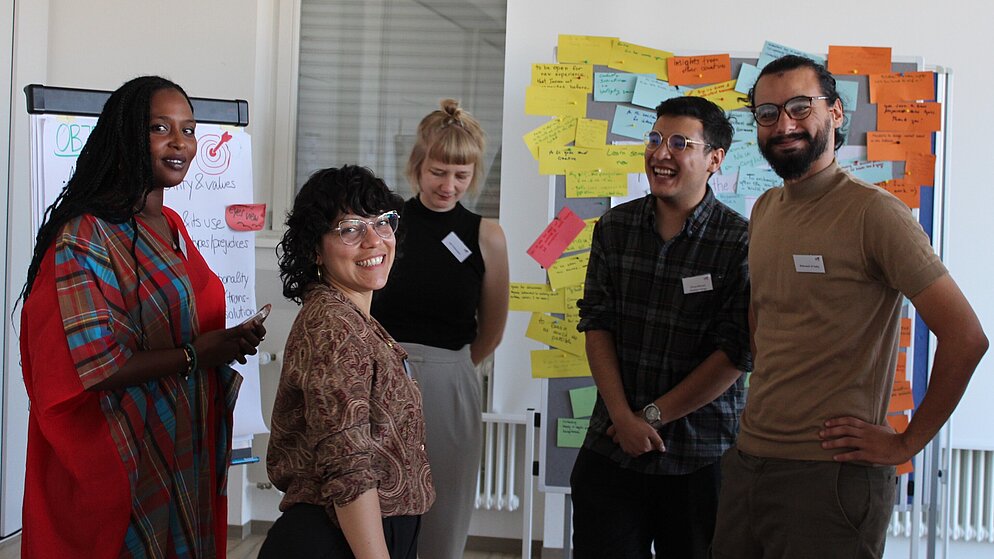
Darcy Business Freedom Grant 2025 — Empowering Entrepreneurs with up to $1,000
The Darcy Business Freedom Grant 2025 is a remarkable opportunity for aspiring and early-stage entrepreneurs seeking financial support to launch or grow their businesses. Designed to empower individuals with vision, creativity, and determination, this grant provides up to $1,000 to help recipients turn ideas into actionable ventures and achieve economic independence. It is ideal for those who are ready to make a tangible impact through entrepreneurship, whether in products, services, or digital innovations. Purpose of the Grant The primary goal of the Darcy Business Freedom Grant is to provide founders with the financial resources necessary to overcome the initial hurdles of starting or expanding a business. Many promising ventures fail due to lack of funding at critical stages, such as purchasing essential tools, executing marketing campaigns, or accessing resources for scaling operations. This grant addresses these challenges by offering flexible funding that recipients can allocate according to their most pressing business needs. The grant encourages creativity, innovation, and practical business planning. It is not only about providing money but also about instilling confidence in founders and helping them develop the skills needed to navigate the entrepreneurial landscape. By offering this support, the grant seeks to cultivate a generation of independent business owners who can contribute meaningfully to their communities and economies. Who Should Apply Darcy Business Freedom Grant is open to individuals with a clear business idea or an operational venture in need of financial backing. Ideal candidates include: Applicants are expected to provide a concise plan detailing their business concept, target market, goals, and how the grant will support their objectives. This ensures that funds are allocated to ventures with strong potential for impact and sustainability. Application Process The application process is designed to be straightforward and accessible, allowing founders to focus on presenting their ideas clearly. Applicants are required to submit a brief but comprehensive application form that includes information about their business, their objectives, and the anticipated use of the funds. After submission, applications are evaluated based on several criteria, including: Successful applicants are selected based on their ability to demonstrate a strong, actionable plan along with the potential to achieve measurable results. Benefits of the Grant Recipients of the Darcy Business Freedom Grant gain more than just financial support. They join a growing community of like-minded entrepreneurs, providing opportunities for networking, mentorship, and collaboration. The funds can be used flexibly to cover startup costs, marketing initiatives, equipment purchases, or other resources essential to business growth. The grant is particularly valuable for individuals who may not have access to traditional funding sources or who are just starting their entrepreneurial journey. By reducing financial barriers, the grant enables founders to focus on innovation, customer acquisition, and operational growth. Conclusion The Darcy Business Freedom Grant 2025 is a gateway to business empowerment, offering vital support to entrepreneurs who are ready to turn ideas into reality. With up to $1,000 in funding, this opportunity enables founders to overcome initial financial hurdles, pursue ambitious goals, and build sustainable businesses. By encouraging creativity, dedication, and practical planning, the grant fosters a generation of entrepreneurs capable of making significant contributions to their communities and the broader economy. Whether you are just starting or seeking resources to grow an existing venture, this grant provides the support needed to achieve entrepreneurial success and financial independence. CLICK HERE TO APPLY
Code4FoodSecurity Fellowship Program 2025 – Fully Funded AI & Agriculture Fellowship
The Code4FoodSecurity Fellowship Program 2025, developed through a partnership between Blossom Academy and the World Food Programme (WFP), is a transformative five-month initiative designed to empower young professionals with advanced skills in Artificial Intelligence (AI) and Machine Learning (ML). The program aims to strengthen agricultural innovation and promote food security by training a new generation of data-driven problem solvers. A total of 70 fellows will be selected for this fully funded opportunity, which especially encourages participation from women and persons with disabilities to ensure inclusive access to technology and innovation. Purpose of the Fellowship Agriculture remains a central driver of economic growth and food security across Africa. However, the sector continues to face challenges such as climate unpredictability, supply-chain inefficiencies and limited access to data-driven tools. The Code4FoodSecurity Fellowship Program addresses these challenges by equipping young professionals with technical and practical skills needed to create digital solutions for agriculture and food systems. Through expert-led training, hands-on projects and collaboration with industry and development partners, fellows will explore how AI and ML can improve food production, enhance supply chains, support decision-making and strengthen agricultural resilience. The fellowship is designed not only to develop technical competence but to contribute directly to real-world impact. Program Structure and Duration The Code4FoodSecurity Fellowship Program runs for five months, from January to May 2026, and is delivered through a hybrid learning model. Virtual sessions take place from Monday to Wednesday, while in-person sessions are held every Thursday. This structure allows participants to benefit from flexible online learning while also gaining essential face-to-face engagement during practical sessions, peer collaboration, and project development activities. This hybrid design ensures that participants receive comprehensive training that blends theoretical understanding with applied learning a necessity for solving real agricultural challenges with AI and ML. Eligibility Criteria To qualify for the Code4FoodSecurity Fellowship Program, applicants must meet the following requirements: These requirements ensure that selected fellows are equipped and prepared to fully participate in the program’s intensive learning and project components. What Fellows Will Gain Participants will benefit from a rich and immersive curriculum that combines technical training, project work, and mentorship. Key outcomes include: Commitment to Inclusion and Diversity A defining feature of the Code4FoodSecurity Fellowship is its commitment to inclusive participation. The program strongly encourages applications from women and persons with disabilities groups that have historically been underrepresented in tech and innovation fields. This commitment ensures that the solutions developed reflect a wide range of perspectives and experiences, contributing to more effective and equitable food systems. Application Deadline Applications for the 2025 cohort are currently open. All interested and eligible candidates must submit their applications by 8 December 2025. Given the competitive and fully funded nature of the fellowship, early application is encouraged. CLICK HERE FOR MORE INFORMATION

University of Oxford — Institute for Ethics in AI Accelerator Fellowship Programme 2026
The Accelerator Fellowship Programme, offered by Oxford’s Institute for Ethics in AI, is an innovative initiative designed to confront the urgent ethical challenges posed by advances in artificial intelligence. As part of Oxford’s broader commitment to establishing a global centre for AI ethics, the programme aims to gather a diverse group of thinkers from academics to industry professionals and equip them to shape AI development in socially responsible, human-centred ways. Rooted in interdisciplinary collaboration, the fellowship seeks to transform abstract ethical concerns into concrete, real-world solutions. Through this initiative, the Institute hopes to influence AI regulation, industry practices, and public discourse by connecting research, policy, and practice across disciplines. Who Should Apply & What It Covers The fellowship is open to practicing professionals and scholars from any discipline whether they work in academia, non-profit research, industry, government, or civil society provided they are actively engaged with the ethical, social, or governance dimensions of AI. To participate, applicants should possess a Master’s degree or demonstrate equivalent professional standing (for instance, at least five years of relevant experience). The Programme welcomes proposals across four thematic areas: Whether your background is in computer science, philosophy, law, social sciences, health, or the arts if your work touches on AI and its societal effects this fellowship provides a suitable platform. Fellowship Structure, Duration & Support Fellows are associated with the Institute for either six or twelve months, with fellowships starting from February 2026. The programme is designed with flexibility in mind: fellows may participate remotely, opt for short visits, or where eligible spend an extended in-person period in Oxford for up to six months. Each fellowship includes a monthly stipend of £2,000 to help cover living expenses such as accommodation, travel, and food. In some cases, additional funding may also be available to support project-related costs, including seminars, workshops, public events or exhibitions provided the applicant includes a project plan outlining these needs. Beyond financial support, fellows benefit from: Importantly, the fellowship is not a standard employment position rather, it is a form of academic and professional affiliation designed to support independent, impactful work. Application Process & Timeline The process for applying is straightforward and rigorous. Applicants are required to submit a single PDF (no larger than 10 MB), containing the following: The 2025/2026 application cycle opens mid-November 2025 and closes on 10 January 2026. The next cycle (2026/2027) opens in mid-May 2026 and closes mid-June 2026. For those intending to undertake in-person stays, it’s advised to apply well in advance to accommodate visa requirements. Because acceptance depends on the caliber and fit of the project portfolio, submission alone does not guarantee selection. Why This Fellowship Matters The Accelerator Fellowship represents a unique opportunity to contribute meaningfully to the global conversation on ethical AI. By uniting individuals from diverse backgrounds law, healthcare, arts, humanities, technology, policy the programme encourages creative, interdisciplinary perspectives on the ethical, social, and legal dimensions of AI. For professionals and scholars, this fellowship provides a platform to influence how AI is governed and deployed potentially shaping regulations, public policy, and industry standards. It offers a rare blend of academic freedom, institutional affiliation, and practical engagement. Moreover, in a world where AI is rapidly transforming societies, contexts, and economies, becoming part of such a fellowship empowers one to help direct that transformation towards fairness, accountability, and human dignity. For anyone committed to responsible AI especially those interested in bridging research, policy, and societal impact this fellowship offers an unmatched opportunity to advance both knowledge and practice at a globally respected institution. CLICK HERE TO APPLY

Remote Opportunity: Quality Assurance Specialist at Altamont Group
Altamont Group (AG), a globally oriented advisory firm with deep experience in humanitarian, development, and consulting sectors, is looking to recruit a dedicated Quality Assurance Specialist (QAS). This is a fully remote position, offering a monthly compensation in the range of USD 400–500. Role Summary As a Quality Assurance Specialist at Altamont Group, you will play a critical role in maintaining and enhancing the quality of client deliverables. Your primary tasks will include reviewing proposals, reports, slide decks, and other written materials to ensure they meet rigorous standards for clarity, consistency, grammar, formatting, and overall presentation. You will work closely with project and proposal teams, supporting them to deliver polished, error-free outputs aligned with clients’ requirements and AG’s internal quality standards. Beyond proofreading and editing, the role involves checking that deliverables follow required templates, adhere to structural and formatting guidelines, and present information logically and professionally. This includes ensuring correct use of headings, tables, dates, figures, and consistency throughout documents. For slide decks and presentations, you’ll help guarantee that design and formatting are on point, enhancing readability and visual coherence. You may also be involved in quality assurance of various types of output including internal documents, social-media text, website updates, or any other content destined for clients or stakeholders. Your role ensures that all content whether proposals, technical reports, or communications material upholds AG’s standards and reflects professionalism. What the Role Entails Candidate Profile & Qualifications The ideal candidate for this position should meet the following criteria: Candidates who combine these skills strong writing and editing competence, meticulous attention to detail, and readiness to work flexibly in a remote, deadline-driven environment will thrive in this role. Why This Role Matters & What You Gain Working with Altamont Group as a Quality Assurance Specialist offers a unique chance to contribute to high-impact projects globally, across humanitarian, development, and consultancy domains. By ensuring the clarity, accuracy, and professionalism of proposals and deliverables, you play a key role in shaping AG’s reputation and helping secure client engagements. This position also offers flexibility through remote work making it appealing to professionals around the world who value autonomy, work-life balance, and the opportunity to engage with meaningful global work. For detail-oriented individuals who enjoy writing, editing, and upholding high standards, this role presents a fulfilling opportunity to contribute to important development and advisory work. If you are passionate about quality, committed to precision, and excited about remote collaboration, this could be an excellent fit offering both professional growth and the chance to support socially impactful projects worldwide. All applications should be sent to Recruitment@altamontgroup.ca

UNESCO Bangkok Opens Consultant Roster for 2026 Across Multiple Creative and Editorial Fields
The UNESCO Regional Office in Bangkok has announced a call for qualified professionals to join its 2026 roster of individual consultants. This initiative aims to identify skilled specialists who can support the organization’s wide range of publications, communications, and multimedia activities. The roster is open to experts in translation, copy-editing and proofreading, graphic design, photography, and videography. Selected consultants will work on an on-call basis, receiving assignments according to project needs throughout the year. Overview of Available Roles 1. Translators (To and From English)UNESCO is seeking translators who can deliver clear, accurate, and culturally sensitive translations for reports, policy papers, educational materials, and public communications. These consultants must be able to work with precision while adhering to organizational style guidelines and terminology. Translators may be assigned to projects requiring translation into English from various languages or from English into a range of target languages. Attention to detail, contextual understanding, and the ability to reflect the organization’s tone are essential. 2. Copy-Editors and Proofreaders (English)Professionals in editing and proofreading will contribute to the quality assurance of UNESCO’s written content. Copy-editors will refine manuscripts for clarity, grammar, consistency, and overall readability, ensuring materials meet professional editorial standards. Proofreaders will complete final checks before publication, reviewing layout, spelling, punctuation, and formatting. These roles are crucial for maintaining the accuracy, credibility, and stylistic integrity of UNESCO’s publications. 3. Graphic DesignersThe organization is also building a roster of graphic designers with the expertise to produce high-quality visual materials. Consultants may be asked to design publications, brochures, posters, social media graphics, infographics, and digital content. Work must be aligned with UNESCO’s design standards and visual identity guidelines. Designers must handle layout creation, typography, image selection, and branding with precision. Proficiency in industry-standard software such as Adobe InDesign, Illustrator, and Photoshop is required. 4. Photographers and VideographersProfessionals in visual media will support UNESCO’s documentation and storytelling efforts. Assignments may include photographing events, capturing field activities, recording interviews, or producing short video features for digital platforms. Consultants must possess technical expertise in shooting, lighting, composition, editing, and post-production. Some assignments may require on-site presence at events, while others can be completed remotely. Deliverables must meet high professional standards suitable for publication and multimedia communications. Benefits of Joining the Consultant Roster Being placed on UNESCO’s consultant roster offers flexibility, international exposure, and the opportunity to contribute to meaningful global initiatives. Consultants are not tied to fixed working hours or long-term contracts; instead, they receive assignments as needed. This makes the roster ideal for freelancers, independent professionals, and specialists seeking project-based collaborations with a reputable global institution. Working with UNESCO enhances one’s professional portfolio, introducing consultants to international editorial practices, UN communication standards, and cross-cultural content development. It also provides valuable experience in working with diverse teams and engaging in projects related to education, culture, science, and social development. For emerging and mid-career professionals especially those from regions with limited access to global organizations this opportunity serves as a gateway to building international credentials and advancing one’s career within or beyond the UN system. Requirements and Application Notes Applicants must provide a detailed CV, relevant certificates, a portfolio or sample works, and a proposal of service rates expressed in U.S. dollars. Depending on the role, assignments may be compensated per word, per page, per deliverable, or per day. Strong command of English is essential for editorial roles, while translation positions require fluency in both English and the relevant target language. Graphic designers and media professionals must have access to appropriate software and equipment, as well as a reliable internet connection for remote collaboration. A Valuable Opportunity for Global Talent This open call demonstrates UNESCO’s commitment to inclusive recruitment and global talent development. By welcoming external consultants from any country, the organization ensures diverse perspectives and expertise in its communication and knowledge-sharing efforts. For professionals seeking international experience, creative engagement, and the chance to contribute to impactful global initiatives, this roster represents a significant and rewarding opportunity. CLICK HERE TO APPLY
Erasmus Mundus EMLE Scholarship – European Master in Law and Economics
The European Master in Law and Economics (EMLE) is a distinguished two-year interdisciplinary master’s program that integrates the study of law and economics. Offered by a consortium of leading European universities, the program emphasizes international mobility, enabling students to study at multiple institutions across Europe and sometimes beyond. The EMLE equips graduates with a deep understanding of legal systems, economic principles, and their intersection, preparing them for diverse careers in academia, public policy, consultancy, and international organizations. The Erasmus Mundus EMLE Scholarship is a fully funded opportunity designed to attract highly talented and motivated students from around the globe. It allows recipients to pursue this rigorous program without financial constraints, covering tuition fees, living costs, travel, and insurance. The scholarship aims to promote academic excellence, international cooperation, and cultural exchange, creating a vibrant global learning environment. Participating Institutions and Program Structure The European Master in Law and Economics(EMLE) program is delivered through a network of reputable European universities. Students typically study at two or three institutions during the program, benefiting from varied academic perspectives and exposure to different legal and economic systems. Partner universities include institutions from the Netherlands, Germany, Italy, Belgium, France, Austria, and Poland, among others. The curriculum combines foundational courses in law and economics with advanced topics, such as contract law, torts, corporate law, competition law, public policy, and regulatory analysis. Students also engage in seminars, research projects, and a master’s thesis, allowing them to apply theoretical knowledge to practical challenges. This structured mobility fosters adaptability, cultural awareness, and a comprehensive understanding of cross-border legal and economic issues. Scholarship Benefits The Erasmus Mundus European Master in Law and Economics (EMLE) Scholarship provides extensive financial support to recipients. Benefits include a monthly stipend to cover living expenses, tuition fee waivers, travel allowances for mobility between partner institutions, and insurance coverage for the entire duration of the program. These provisions ensure that students can focus entirely on their studies and research without financial stress. Additional funding support may be available for students from specific regions, including Sub-Saharan Africa, the Western Balkans, and other underrepresented areas. This approach encourages diversity and inclusivity within the program, offering opportunities to candidates who might otherwise face financial barriers to studying abroad. Eligibility Criteria Applicants must hold a university degree equivalent to approximately 240 European Credit Transfer and Accumulation System (ECTS) credits, which generally corresponds to a four-year bachelor’s degree or a combination of a three-year bachelor’s and a master’s degree. While applicants with academic backgrounds in law or economics are preferred, motivated candidates from related fields may also apply, provided they demonstrate a strong interest in the economic analysis of law. Applicants must also provide proof of English language proficiency, academic transcripts, degree certificates, letters of recommendation, and a statement of motivation. Final-year students may be eligible to apply as long as they complete their degree before the program’s commencement. Selection Process The scholarship is merit-based and competitive, with awards granted to candidates who demonstrate outstanding academic performance, motivation, and suitability for the interdisciplinary program. Scholarships are categorized to balance merit and regional representation, ensuring that top-performing candidates and students from underrepresented regions both have opportunities. There are also provisions for candidates with disabilities or special needs, ensuring accessibility and support throughout the program. Why Choose EMLE The European Master in Law and Economics (EMLE) offers a unique blend of academic rigor, practical application, and international exposure. Students gain expertise in law and economics, preparing them for careers in government, international organizations, consultancy, research, and academia. Studying across multiple universities provides a rich multicultural experience, broadening students’ perspectives and enhancing their professional network. The scholarship’s comprehensive financial support allows students to pursue this advanced education without financial burden, ensuring that the focus remains on learning, research, and personal growth. The Erasmus Mundus European Master in Law and Economics (EMLE) Scholarship represents a transformative opportunity for ambitious students worldwide. It combines academic excellence, cross-cultural experience, and full financial support, offering a platform for future leaders in law, economics, and public policy. APPLY HERE
Mastercard Foundation Scholars Program – Global Health Leadership Development 2026
The Global Health Leadership Development Program is designed to identify, mentor, and empower the next generation of leaders in the field of global health. It targets individuals who are deeply committed to improving healthcare systems, promoting equitable access to medical services, and addressing the complex health challenges faced by communities around the world. By equipping participants with advanced skills, resources, and networks, the program aims to cultivate leaders capable of driving sustainable change in both local and global contexts. Program Objectives The program seeks to develop well-rounded professionals with a combination of technical expertise, strategic insight, and ethical leadership qualities. Its core objectives include: Eligibility Criteria The program is aimed at highly motivated individuals who demonstrate a strong commitment to global health and community development. Ideal candidates are those who: The program particularly encourages applications from individuals in regions where health disparities are most pronounced, recognizing that leadership development in these areas can have transformative effects on both local and broader health systems. Program Benefits Participants in the Global Health Leadership Development Program receive a comprehensive range of benefits aimed at nurturing their professional and personal growth. These include: Why the Program is Important Global health systems face increasing pressures from population growth, pandemics, and unequal access to healthcare services. By nurturing talented leaders, the program contributes to building resilient health systems capable of responding to current and future challenges. Participants are expected to apply their learning to implement innovative solutions, influence policy decisions, and contribute meaningfully to the well-being of their communities. Application Process Prospective participants must demonstrate their commitment to health leadership, outline their vision for contributing to the field, and provide evidence of past achievements and leadership experiences. The selection process is competitive and focuses on candidates’ potential to drive positive change in health systems globally. In conclusion, the Global Health Leadership Development Program represents a unique opportunity for emerging professionals to grow, connect, and make a significant impact in the field of global health. By combining rigorous training, mentorship, and practical experience, the program equips participants with the tools, knowledge, and networks necessary to become influential leaders capable of shaping the future of healthcare worldwide. CLICK HERE FOR MORE INFORMATION

Charlton Oral History Research Grants 2026: Call for Applications
The Charlton Oral History Research Grants are now open to applications from researchers, scholars, and practitioners seeking to utilize oral history methods to explore underrepresented communities, themes, or regions. These grants aim to promote innovative, rigorous, and inclusive research that amplifies voices often absent from conventional historical documentation. Purpose and Objectives The primary goal of the Charlton Oral History Research Grants is to encourage the use of oral history in contexts where written archives are limited or biased. Oral history allows communities to tell their own stories, preserving experiences, memories, and perspectives that might otherwise be lost. By supporting research that relies on interviews, personal testimonies, and other forms of oral documentation, these grants seek to expand our understanding of social, cultural, and historical narratives in meaningful ways. The grants particularly emphasize projects that focus on historically marginalized groups, regions with scant documentation, or overlooked themes within social and cultural history. Successful proposals should demonstrate how oral history methodologies will provide unique insights into identity, memory, community development, or social change. Through this approach, the grant fosters research that is both academically rigorous and socially impactful, encouraging the inclusion of voices traditionally excluded from formal historical records. Eligibility Criteria The Charlton Oral History Research Grants welcome applications from a diverse range of individuals and organizations. Eligible applicants include academic researchers, independent scholars, community-based organizations, and practitioners involved in cultural, historical, or social research. Both early-career and experienced researchers are encouraged to apply, provided they demonstrate a strong understanding of oral history methods and a clear plan for implementing their project. Applicants must submit detailed proposals that outline the scope of the research, the oral history methods to be employed, and the anticipated outcomes. Proposals should also highlight the significance of the project in terms of filling gaps in historical knowledge, preserving cultural memory, or amplifying underrepresented voices. Preference is given to projects that demonstrate innovation, community engagement, and potential for long-term impact. Grant Support and Funding The Charlton Oral History Research Grants provide financial assistance to support various aspects of oral history research. Funding may cover costs associated with conducting fieldwork, including interviews, travel, and community engagement activities. Additional support may be allocated for transcription, translation, and preservation of oral testimonies, ensuring that the collected materials are accessible for future research and public engagement. Moreover, the grant encourages researchers to disseminate their findings through multiple channels, including academic publications, community reports, digital archives, exhibitions, or multimedia presentations. By supporting projects that make oral histories widely accessible, the grant helps ensure that the knowledge produced reaches both academic and public audiences, fostering greater understanding and appreciation of diverse social and cultural experiences. Significance and Impact Oral history is a powerful tool for documenting human experiences, particularly in contexts where written records are incomplete or absent. By capturing personal testimonies and lived experiences, researchers can provide richer, more nuanced accounts of social and cultural history. The Charlton Oral History Research Grants recognize the importance of preserving these narratives, emphasizing inclusion, diversity, and representation. Through this program, historically marginalized communities gain a platform to share their stories, while scholars and practitioners develop research that highlights social change, identity, and collective memory. Ultimately, the grant seeks to contribute to a more equitable and comprehensive understanding of history, ensuring that multiple voices and perspectives are acknowledged and valued. Application Process Prospective applicants are encouraged to prepare their proposals carefully, detailing research objectives, methodologies, and expected outcomes. Strong proposals will clearly explain how oral history techniques will be applied and how the project will contribute to expanding knowledge and preserving cultural memory. The submission process is competitive, and only well-planned, methodologically sound projects that demonstrate significant potential impact are likely to receive funding. The Charlton Oral History Research Grants represent an important opportunity for researchers and practitioners to advance oral history scholarship while preserving voices and experiences that might otherwise be lost. By supporting innovative projects in under-documented areas, the grants play a vital role in fostering inclusive historical research and ensuring that all communities have the opportunity to be heard. CLICK HERE FOR MORE INFORMATION
Orange Corners Innovation Fund (OCIF) GROW Programme 2026 — Empowering Young Entrepreneurs
The Orange Corners Innovation Fund (OCIF) GROW Programme 2026 is a strategic initiative aimed at fostering innovation, entrepreneurship, and economic growth among young South African entrepreneurs. The programme targets ventures that have already demonstrated market traction and are poised for expansion. By providing financial support, mentorship, and strategic guidance, the GROW Programme enables youth-led businesses to scale their operations, enhance market competitiveness, and make a meaningful impact on their communities. Programme Objectives The OCIF GROW Programme is designed to accelerate the growth of promising young enterprises through targeted financial assistance. The programme seeks to support innovative ideas, business models, and products that address local challenges while contributing to sustainable development. Through this initiative, young entrepreneurs are empowered to transform their innovative concepts into thriving businesses capable of generating employment opportunities and fostering economic development. The programme emphasizes the creation of ventures that are not only profitable but also socially responsible, aligning with broader development objectives. Funding and Support Participants selected for the GROW Programme may receive funding ranging from R200,000 to R1,000,000. This financial support is intended to help entrepreneurs scale their operations, expand their product or service offerings, and enhance their marketing and distribution strategies. Beyond funding, participants benefit from business development support, mentorship, and advisory services that guide them in strategic decision-making, operational efficiency, and long-term sustainability. The programme aims to provide a holistic growth experience, combining financial resources with practical business insights and expert guidance. Eligibility Criteria To qualify for the OCIF GROW Programme, applicants must meet several key criteria. The programme targets young entrepreneurs aged 18 to 35, ensuring that youth-led ventures are at the forefront of innovation. Applicants must own and manage the business, demonstrating a significant level of involvement in day-to-day operations. The business should be based in South Africa and have been operational for at least six months, but not more than seven years. Eligible businesses should have an annual turnover between ZAR 250,000 and ZAR 10 million, showing evidence of market traction and the capacity for growth. The programme particularly encourages applications from female-led enterprises, recognizing the importance of promoting gender equality in entrepreneurship. Applicants are also expected to present a clear innovation strategy, detailing how their product, service, or business model offers a unique solution to a local challenge. Additionally, applicants must illustrate how funding will be utilized to scale operations, enhance market presence, and generate positive social and economic outcomes, including employment creation. Application Process Interested entrepreneurs are invited to submit their applications through the official programme portal. The application requires detailed information about the business, including its history, current operations, innovation strategy, and growth plans. Entrepreneurs are expected to demonstrate a clear vision for scaling their ventures and an understanding of how the programme’s support will enable them to achieve their goals. The application process emphasizes both the potential impact of the business and the applicant’s readiness to leverage funding effectively. Impact and Significance The OCIF GROW Programme is more than a funding initiative; it is a catalyst for youth-driven innovation and sustainable economic growth. By targeting businesses that have proven market traction, the programme ensures that investments generate tangible results, creating jobs and fostering economic resilience. Participants gain access to networks, mentorship, and resources that enhance their entrepreneurial capacity and enable them to contribute meaningfully to the local economy. The programme also encourages sustainable business practices and innovation that address pressing societal challenges. In conclusion, the OCIF GROW Programme 2026 represents a unique opportunity for young South African entrepreneurs to scale their ventures, increase market impact, and contribute to economic and social development. By combining funding with mentorship and strategic guidance, the programme equips youth-led businesses with the tools, resources, and knowledge needed to thrive in a competitive marketplace, ultimately fostering a new generation of innovative and socially responsible business leaders. CLICK HERE TO APPLY
