

The Caltech Summer Undergraduate Research Fellowship (SURF) offers an immersive, fully-funded research experience at the California Institute of Technology in Pasadena, USA. Designed for undergraduate students from Caltech and other institutions, the program allows participants to work closely with faculty mentors on independent research projects across science, technology, engineering, and mathematics (STEM) disciplines. SURF provides students with the opportunity to experience the full research process, from proposal design to final presentation. Program Overview Caltech Summer Undergraduate Research Fellowship (SURF) has been a cornerstone of undergraduate research at Caltech since its inception in 1979. The program emphasizes authentic, grant-style research: students collaborate with a mentor to develop a project proposal, detailing objectives, methodology, and expected outcomes. Accepted applicants then carry out their projects full-time over a ten-week summer period. The program structure mirrors professional research practices, giving students hands-on experience in scientific inquiry, data analysis, and problem-solving. Participants are expected to engage fully with their research, dedicating approximately 40 hours per week. To maximize learning and collaboration, research is conducted in person at Caltech, providing access to laboratories, advanced facilities, and the mentorship of faculty and technical staff. Remote participation is generally not permitted. Throughout the fellowship, students are encouraged to present their findings and develop skills in scientific communication, both written and oral. Research Deliverables and Mentorship Each student works under the guidance of a dedicated Caltech faculty mentor who oversees the research process and provides feedback on project development. Fellows submit periodic progress reports, a final technical paper, and an abstract summarizing their results. The program culminates in a formal presentation at the Caltech Summer Undergraduate Research Fellowship (SURF) Seminar Days, where students share their work with the Caltech community, refining public-speaking skills and gaining experience in presenting research at a professional level. The mentorship component is central to Caltech Summer Undergraduate Research Fellowship (SURF), fostering close collaboration between students and experienced researchers. Students benefit not only from technical guidance but also from professional development sessions, seminars, and workshops. These sessions cover topics such as research ethics, scientific writing, graduate school preparation, and career development, helping students build both technical expertise and broader professional skills. Eligibility and Application Caltech Summer Undergraduate Research Fellowship(SURF) is open to undergraduate students who will be enrolled in college during the fall term following the summer. Applicants must demonstrate strong academic standing and a foundation in the relevant STEM discipline. While the program welcomes students from a wide range of institutions, some research placements may have specific eligibility requirements. Prospective participants must secure a mentor prior to applying, as the application includes a research proposal co-developed with a faculty supervisor. Additional requirements typically include transcripts, letters of recommendation, and mentor approval. Applications are submitted through the SURF online portal during the designated application period, and competition for fellowships is highly selective, reflecting the program’s prestige and rigor. Benefits and Opportunities Fellows receive a stipend to support their participation in the ten-week program, allowing them to focus entirely on their research. Beyond financial support,Caltech Summer Undergraduate Research Fellowship (SURF) offers an unparalleled opportunity to gain practical research experience, develop professional competencies, and establish connections with leaders in STEM fields. Many students leverage their SURF experience as a foundation for graduate school applications, scientific publications, or long-term research careers. By providing immersive research opportunities, structured mentorship, and professional development, the Caltech Summer Undergraduate Research Fellowship prepares students to thrive in scientific and academic environments. The program emphasizes both independence and collaboration, ensuring that participants leave with enhanced research skills, a deeper understanding of their field, and a solid foundation for future academic or professional endeavors. CLICK HERE FOR MORE INFORMATION
Rockefeller University Summer Undergraduate Research Fellowship (SURF) 2026
The Summer Undergraduate Research Fellowship (SURF) at Rockefeller University is a prestigious, fully funded program designed to immerse undergraduate students in cutting-edge scientific research. Taking place over 10 weeks in New York City, the fellowship offers an unparalleled opportunity to gain hands-on laboratory experience while learning from world-class researchers in one of the most respected biomedical research institutions in the world. Program Overview Summer Undergraduate Research Fellowship SURF provides an intensive and enriching research experience for students who are passionate about pursuing careers in science. Throughout the 10-week period, participants join an active laboratory and engage in structured research projects tailored to their interests. Fellows work under the guidance of Rockefeller University faculty, postdoctoral fellows, and advanced graduate students, allowing them to participate directly in ongoing, innovative scientific investigations. In addition to laboratory work, the program integrates seminars, journal clubs, mentorship sessions, and professional development workshops. These activities equip students with the skills and knowledge necessary for a future in academic research, graduate school, or scientific leadership. Program Benefits The fellowship includes a stipend of $6,500, ensuring that students are fully supported throughout the duration of the program. Fellows who are not local to the New York area are provided with complimentary on-campus housing, eliminating financial barriers and allowing them to fully focus on their research. SURF participants immerse themselves in a well-rounded scientific experience that goes beyond lab work. Weekly journal clubs help students learn to interpret scientific publications, while research seminars expose them to groundbreaking discoveries and career pathways. The program culminates in a formal poster presentation where fellows share their research findings with faculty and peers, strengthening their communication and scientific presentation skills. The campus environment also fosters community building. Fellows can engage in social events, explore New York City, and participate in group activities that create lasting friendships and professional connections. Research Areas The program embraces a wide range of disciplines across the life and physical sciences. Research opportunities span areas such as: This breadth ensures that students with diverse academic backgrounds can find projects that align with their scientific interests and future goals. Eligibility Requirements To qualify for Summer Undergraduate Research Fellowship SURF, applicants must be enrolled as undergraduates and typically be in their sophomore or junior year. Ideal candidates are those studying biology, chemistry, physics, computer science, or related fields, particularly with an interest in biomedical or quantitative research. Selection is competitive, with only about 25 fellows chosen each year. Admission decisions are based on academic achievement, clarity of research interests, strength of the personal statement, and recommendation letters that speak to the applicant’s potential as a scientist. Application Process Applicants must submit an online application that includes: The application deadline is typically February 1, and final decisions are announced by mid-March. Accepted students spend early June to mid-August completing their fellowship at Rockefeller University. Why the SURF Program Is Exceptional The Summer Undergraduate Research Fellowship SURF program stands out because it places undergraduate students at the heart of a highly collaborative, research-driven environment. It provides early exposure to world-class science, strengthens technical and analytical skills, and gives students a realistic understanding of what it means to work in advanced scientific research. For students considering graduate school or research careers, SURF is a powerful stepping stone. It allows participants to build strong professional networks, gain mentorship from established researchers, and develop a high-quality research portfolio that enhances future academic applications. Overall, the Rockefeller University SURF fellowship is a transformative experience that helps shape the next generation of scientists, innovators, and research leaders. CLICK HERE TO APPLY

Google Student Researcher Programme: A Premier Opportunity for Aspiring Researchers
Google Student Researcher Programme presents a globally accessible pathway for students at the undergraduate, master’s, and doctoral levels to engage in meaningful research and development work. This opportunity is open to individuals enrolled in degree programs anywhere in the world, offering a unique chance to collaborate with world-class engineers and scientists on projects that shape the future of technology. Who Is Eligible? The programme welcomes applications from a broad array of students: Applicants from diverse academic backgrounds are encouraged, particularly those studying computer science, applied mathematics, statistics or biostatistics, computational linguistics, operations research, natural sciences, economics, or other related technical disciplines. To qualify, candidates should also demonstrate relevant technical or research-oriented skills for example, experience in programming, data analysis, or computational work which enable them to contribute effectively to research projects. Scope of the Programme As a Student Researcher at Google, you become part of a global research ecosystem. Through this programme, participants are embedded in teams within divisions such as Google Research, Google DeepMind and Google Cloud. Projects span a wide variety of advanced and high-impact domains, including but not limited to: Depending on the project and team, the engagement may be flexible: interns may work full-time or part-time, on-site or remotely, and for varying durations. This flexibility ensures that students from different educational levels and geographical locations can participate without compromising their academic commitments. What Participants Gain Compensation and Program Terms For those based in the United States, the program offers competitive compensation. While exact figures vary by role and location, past US-based internships have reported a base salary range that reflects the high level of responsibility and technical demand of the work. It is important to note that the programme is typically non-conversion eligible: participating as a Student Researcher doesn’t guarantee a full-time job at Google afterward. Rather, it is positioned as a standalone research opportunity, rather than a pipeline to employment. Additionally, candidates are expected to be proficient in English, especially for roles involving global teams, and should submit an updated CV/resume and academic transcript when applying. Global Reach and Access One of the strengths of the Google Student Researcher Programme is its global orientation. Google recruits from across continents and encourages applications from students worldwide, fostering a diverse research community. This means that regardless of where you study whether in Africa, Asia, Europe, the Americas or beyond you may be eligible for this opportunity if your background and skills align with the requirements. Through this international scope, Google aims to tap into a wide variety of perspectives and talents, enriching its research teams and promoting inclusivity in technological innovation. Why This Programme Matters In an era where technology evolves at breakneck speed from artificial intelligence to quantum computing the opportunity to engage with global researchers at a leading tech organization is rare and valuable. The Google Student Researcher Programme offers not just an internship or a résumé line, but a platform to sharpen your skills, expand your worldview, and contribute to groundbreaking projects that may shape the future. For any student passionate about research, technology, or scientific discovery, this programme is a compelling bridge between academic learning and real-world impact. It provides a chance to turn theoretical knowledge into practical innovation, while gaining mentorship, experience, and potentially opening doors for future endeavours in academia or industry. CLICK HERE TO APPLY
Opportunity: Deputy Chief of Staff – President’s Office, The Rockefeller Foundation
The Rockefeller Foundation is seeking a highly experienced and strategic professional to serve as Deputy Chief of Staff within the President’s Office, located in Washington, DC. This senior leadership role sits at the center of the Foundation’s mission-driven work, supporting the President and Chief of Staff in ensuring that organizational priorities are executed effectively. The Deputy Chief of Staff will help drive strategic planning, coordinate cross-functional initiatives, manage operational workflows, and strengthen internal and external relationships that are essential to the organization’s global impact. The position requires exceptional judgment, a strong command of organizational strategy, and the ability to navigate complex and fast-paced environments. It offers a unique opportunity to influence high-level decision-making and contribute to work that advances global well-being. Key Responsibilities The Deputy Chief of Staff will play a pivotal role in shaping and implementing the President’s strategic agenda. Responsibilities include: Candidate Profile: Qualifications & Competencies The ideal candidate for this role brings extensive leadership experience, exceptional communication skills, and a strong understanding of mission-driven organizations. Key qualifications include: Why This Role Matters The Deputy Chief of Staff plays a central role in ensuring that the President’s Office operates with clarity, purpose, and impact. The work of the Foundation touches millions of lives through programs focused on climate resilience, healthcare equity, scientific innovation, food security, and expanding access to opportunity. By helping coordinate strategic initiatives, strengthening internal systems, and supporting leadership, the Deputy Chief of Staff contributes directly to advancing these global priorities. This role also influences how the organization partners with governments, civil society, research institutions, and philanthropic networks. The ability to build strong relationships and communicate effectively is essential for maintaining the Foundation’s legacy of trust, innovation, and impact. What Success Looks Like A successful Deputy Chief of Staff will demonstrate: CLICK HERE TO APPLY
CRASSH Visiting Fellowships 2026/2027 – University of Cambridge
The Centre for Research in the Arts, Humanities and Social Sciences (CRASSH) at the University of Cambridge invites applications for its prestigious Visiting Fellowships for the 2026/2027 academic year. This distinguished programme is designed to strengthen global academic collaboration by supporting scholars from the Global South to undertake a period of intensive research and academic engagement at Cambridge. The fellowship offers an exceptional opportunity for researchers to benefit from the University’s intellectual environment, extensive library resources, and dynamic interdisciplinary community. Programme Overview The Visiting Fellowship provides scholars with dedicated time and space to advance their research while contributing to the vibrant academic life at CRASSH. The programme promotes cross-regional dialogue and fosters new research connections between Cambridge and institutions in the Global South. Fellows will join a collaborative network of researchers, participate in seminars and workshops, and contribute to emerging debates across the arts, humanities, and social sciences. The in-person fellowship lasts a minimum of nine weeks, with the possibility of extending up to twelve weeks, followed by a nine-month virtual affiliation. This structure allows fellows to begin collaborations in Cambridge and continue them remotely, ensuring long-term engagement and meaningful academic exchange. Eligibility Requirements Applicants must be employed on at least a 50% contract at a higher education or research institution located in a country categorized within the Global South. Scholars must hold a PhD that was awarded at least five years before the application deadline. Strong proficiency in spoken English is essential, as fellows are expected to participate actively in academic discussions, seminars, and collaborative projects. The programme welcomes researchers working in any disciplinary area connected to the arts, humanities, or social sciences. Applicants should demonstrate a clear research agenda that would benefit from the fellowship period and align with CRASSH’s ethos of interdisciplinary inquiry. Fellowship Benefits Selected fellows receive comprehensive support to facilitate their stay in Cambridge. Benefits include: For fellows wishing to bring dependents, additional arrangements may be possible; however, any associated costs must be borne by the fellow. Standard accommodation provided by the programme is intended for single occupancy, and requests for alternative arrangements depend on availability. Fellowship Expectations Throughout their stay, fellows are expected to contribute to the intellectual life of CRASSH. This includes participating in the Research Practice Seminar Series and collaborating with other fellows to develop, plan, and deliver an academic event related to a shared research theme. Fellows must remain in Cambridge for the duration of the residency, aside from a limited allowance of up to one week away, during which the subsistence allowance is paused. Prior to arrival, fellows will collaborate remotely to prepare for the planned academic event. Successful applicants will be required to secure travel and make visa arrangements well in advance. Travel insurance is mandatory and must be arranged independently. Application Process Applicants must submit all required documents through the online application system by the stated deadline. Required materials include a current CV, a letter of support from the applicant’s department head confirming permission to undertake the fellowship, and written responses to the application questions. APPLICATION DEADLINE: 20 January 2026 CLICK HERE FOR MORE INFORMATION APPLY HERE: https://luca-school-of-arts.dreamapply.com/courses/course/12-emjm-filmmemory
Mauritius-Africa Scholarship Scheme (MASS)
The Mauritius-Africa Scholarship Scheme (MASS) is a fully funded initiative offered by the Government of Mauritius. It is designed to nurture academic excellence across African Union member states and Commonwealth African nations by providing financial support for studies at public higher education institutions in Mauritius. The program reflects Mauritius’ strong commitment to enhancing education across the African continent and leveraging higher education as a key factor in development. Overview of the Scholarship MASS supports students at different academic levels including Diplomas, Bachelor’s degrees, MPhil, and PhD programs as long as they study full-time on campus in one of Mauritius’ public universities. The scholarship covers tuition fees, a monthly living allowance, healthcare, and travel costs, making it a comprehensive opportunity for eligible African students. Benefits Recipients of the scholarship receive a range of key benefits: full coverage of tuition fees, a monthly living stipend, provision of basic healthcare in public hospitals, and a return airfare from their home country to Mauritius at the start and end of their academic program. This assistance ensures scholars can focus on their studies and research without excessive financial concerns. Eligibility Criteria To be eligible, applicants must be citizens of an African Union or Commonwealth African country Mauritian nationals and foreign residents in Mauritius are not eligible under this scheme. For undergraduate programs (Diploma or Bachelor’s), candidates should be at least 18 years of age but not older than 26 by a specified cutoff date. For postgraduate studies (MPhil, PhD, or combined programs), the maximum age is generally capped at 40 by the same date. Moreover, applicants must have already applied (or been accepted) for a full-time on-campus program at a public higher education institution in Mauritius. Importantly, the application for the scholarship must be made through a “nominating agency” in the applicant’s home country usually the country’s Ministry of Education or an equivalent body. The nominating agency reviews applications, endorses eligible candidates, and forwards them to the Mauritian authorities. In many countries, only a limited number of nominees (often up to fifteen) can be submitted. Duration of the Scholarship The scholarship duration depends on the academic program: This structure ensures that the scholarship aligns with realistic completion timelines, including time allocated to finalize research work or defend a thesis. Application Process Key Conditions and Responsibilities Students who receive this scholarship must maintain their status in good standing, adhere to the regulations of their host institution, and comply with Mauritius’ immigration requirements. They are expected to complete only the approved course; switching programs is typically not allowed. Scholarships may be revoked if academic performance falls short of expectations or if scholarship terms are violated. At the end of their studies, scholars are required to return to their home country, as the scholarship covers round-trip travel. Strategic Importance This scholarship has a dual purpose: it helps ambitious African students access quality higher education, and it contributes to capacity building across the continent. By investing in young talents from Africa, Mauritius promotes regional development and strengthens academic collaboration within the AU and Commonwealth network. Conclusion The Mauritius-Africa Scholarship Scheme is a strong example of a government-led effort to support Pan-African education. Through comprehensive financial coverage including tuition, living costs, healthcare, and airfare the program removes many barriers to higher education for eligible students. Its structured, merit-based application process ensures that the most qualified and motivated students benefit. For students from eligible African countries, MASS represents a valuable gateway to world-class education in Mauritius, coupled with a life-changing multicultural experience. APPLY HERE

European University Institute – Policy Leader Fellowship (2026–2027)
The Florence School of Transnational Governance (STG) at the European University Institute (EUI) is offering the prestigious Policy Leader Fellowship (PLF) for the 2026–2027 academic year. This fully funded residential programme is designed for experienced mid-career professionals who are actively engaged in public policy across government, civil society, media, and non-governmental organizations. The fellowship provides a unique opportunity for practitioners to deepen their understanding of European and global policy-making processes while contributing practical insights from their professional experience. Programme Overview The Policy Leader Fellowship is tailored for individuals with extensive policy experience rather than traditional academic backgrounds. Fellows spend either five or ten months at the STG in Florence, immersing themselves in the academic, professional, and cultural life of the EUI. During this period, they develop practical, evidence-based policy recommendations addressing pressing transnational governance challenges. Fellows are encouraged to engage collaboratively with the EUI community, attend seminars, and participate in workshops designed to strengthen professional skills and knowledge. This fellowship emphasizes a hands-on approach to learning. Participants benefit from direct interactions with EUI faculty and researchers, gaining insight into European Union institutions and governance frameworks. In addition to advancing their own projects, fellows contribute to the broader STG community by participating in peer-led discussions, policy debates, and collaborative projects. Benefits Fellows receive a monthly stipend to support their residency in Florence, with the amount adjusted if the fellow has other sources of income. The fellowship also provides financial support for accompanying family members, including a partner allowance and support for dependent children, under certain conditions. Travel reimbursement is available for economy-class or equivalent travel to Florence, ensuring that fellows can relocate without undue financial burden. The programme covers health insurance requirements and provides access to professional development resources, mentorship, and networking opportunities within the EUI community. Eligibility Criteria The fellowship is open to professionals with at least ten years of experience in a policy-relevant field. Ideal candidates demonstrate independence, self-motivation, and the ability to execute a comprehensive work plan. Applicants should be willing to work collaboratively with a diverse cohort of peers, bringing unique perspectives to enrich the STG environment. The programme favors individuals who have gained substantial practical policy experience, rather than those with purely academic careers, and seeks fellows capable of producing actionable policy recommendations with tangible real-world impact. Selection Process Applications are assessed based on professional achievements, alignment of proposed projects with STG priorities, feasibility and quality of the work plan, and overall motivation. Selection also considers diversity, seeking candidates from a range of geographical regions, policy sectors, and backgrounds to foster a vibrant and dynamic learning environment. Candidates are expected to articulate how their fellowship at STG will enhance both their professional development and the wider policy community. Responsibilities and Programme Experience Fellows are full residents in Florence for the duration of their fellowship, engaging deeply with the academic and professional life of the STG. They contribute to collective, faculty-led projects, and are expected to participate in workshops, seminars, and mentorship programs. Fellows also have opportunities to deliver talks, share case studies, and contribute to publications within STG or broader policy networks. This dual focus on personal project work and community engagement ensures that fellows gain substantial professional enrichment while leaving a lasting impact on the STG community. Application Process Applicants must submit their materials by the designated deadline. Early registration is recommended to ensure referees can provide timely letters of recommendation. The application process is competitive, with a strong emphasis on professional excellence, practical experience, and demonstrated capacity to influence policy. Successful fellows will gain a unique blend of academic insight, professional development, and networking opportunities that enhance both their careers and their ability to contribute to transnational policy solutions. The EUI Policy Leader Fellowship provides an unparalleled platform for policy professionals to expand their expertise, engage with global peers, and actively shape transnational governance. It offers a transformative experience that combines rigorous policy research, practical problem-solving, and leadership development, preparing fellows to make a meaningful impact on the challenges facing societies today. APPLY HERE
CRASSH Visiting Fellowships at the University of Cambridge – 2026/2027 (Fully Funded)
The Centre for Research in the Arts, Humanities and Social Sciences (CRASSH) at the University of Cambridge is offering its prestigious Visiting Fellowships for the 2026–2027 academic year. This program is specifically designed to support scholars based in the Global South, providing them with a unique opportunity to engage with Cambridge’s vibrant academic community, access world-class research resources, and establish long-term scholarly collaborations. The fellowship offers a transformative experience, allowing fellows to advance their research in a dynamic interdisciplinary environment while contributing to the exchange of knowledge on a global scale. Eligibility Criteria Applicants must hold a permanent or at least 50% contract position at a higher education institution or research center in a Global South country. Candidates should have earned a PhD at least five years prior to the application date and must demonstrate sufficient English language proficiency to actively participate in seminars, workshops, and discussions. The fellowship is open to scholars from diverse disciplines within the arts, humanities, and social sciences, encouraging innovative research approaches and cross-disciplinary engagement. Fellowship Benefits The CRASSH Visiting Fellowship provides comprehensive support to ensure that fellows can focus entirely on their research. The program covers round-trip economy travel from the fellow’s home institution to Cambridge, including any applicable visa expenses. Accommodation is provided in single ensuite rooms at Wolfson College, with full membership access to the college library, gym, and social facilities. Fellows may dine in the college dining hall at personal cost. In addition to accommodation, fellows receive a weekly subsistence allowance of £175 to assist with living costs such as food and local transportation. Dedicated workspace, computer access, and full use of the University’s libraries and collections are provided, along with opportunities to participate in CRASSH seminars, workshops, and other academic events. The on-site fellowship runs for a minimum of nine weeks and may be extended to twelve weeks. Following this period, fellows continue their engagement as part of a nine-month digital fellowship, enabling ongoing access to online events, research networks, and resources. Expectations and Responsibilities Fellows are expected to reside in Cambridge for the duration of their in-person stay, although short absences for research or personal reasons are possible with prior approval. Participation in CRASSH’s Research Practice Seminar is mandatory, providing a platform for engagement with peers and mentors. Fellows are also required to contribute to the planning and execution of a thematic event connected to their research, which will take place during their fellowship term. This event offers an opportunity to present research findings, foster collaboration, and engage with the wider academic community. Travel arrangements, including visa applications if required, must be finalized well in advance, and fellows are responsible for securing travel insurance. Scholars wishing to bring dependents must notify the fellowship organizers in advance. While accommodation may be provided for a partner in certain circumstances, arrangements for children are not included. Any family accommodation arranged independently will receive partial support equivalent to the cost of the standard single-room provision. Application Process Applications are submitted through CRASSH’s online portal, with a typical deadline in February each year. Applicants must provide a detailed curriculum vitae, a letter of support from their home institution confirming approval of their leave, and responses to application questions designed to assess the applicant’s research focus, methodology, and potential contribution to the CRASSH community. Selection is based on academic merit, originality of research, and the potential for meaningful engagement with Cambridge’s scholarly networks. Significance of the Fellowship The CRASSH Visiting Fellowship represents an exceptional opportunity for scholars from the Global South to immerse themselves in Cambridge’s interdisciplinary research environment. Fellows gain access to unparalleled academic resources, collaborate with leading experts, and develop long-term partnerships that enhance the impact of their work. By combining rigorous research with community engagement and cross-disciplinary dialogue, the fellowship supports the creation of innovative, globally relevant scholarship while fostering mutual understanding between researchers from diverse contexts. This program not only advances individual research careers but also contributes to the broader goal of strengthening academic networks and promoting equitable access to research opportunities worldwide. CRASSH Visiting Fellows leave Cambridge with enriched knowledge, expanded professional networks, and enhanced capacity to influence their disciplines both locally and globally. Application Deadline: 16 February 2026 CLICK HERE FOR MORE INFORMATION
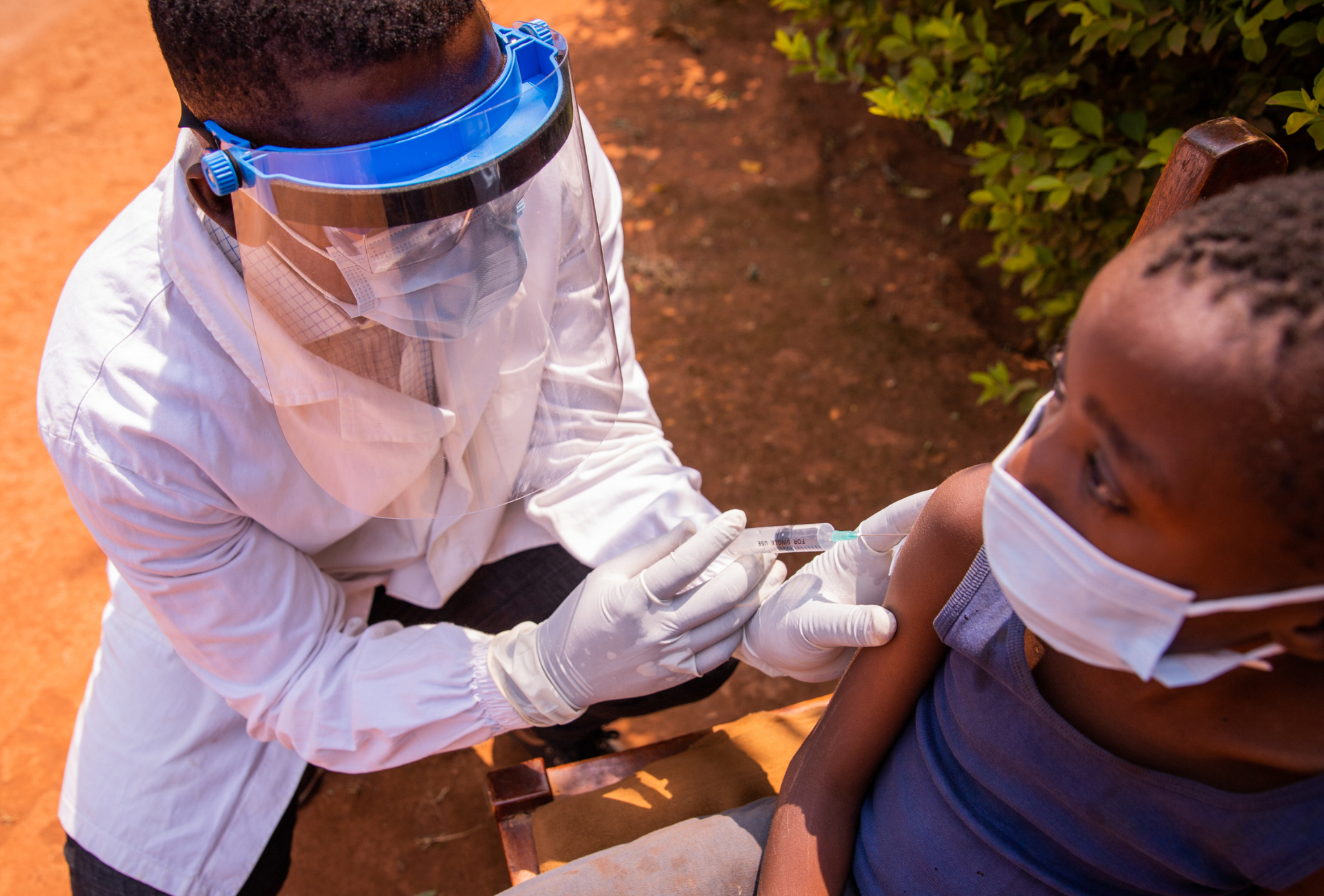
Call for Proposals: Economics and Health Policy in South Africa
Economic Research Southern Africa (ERSA) has announced a new call for research proposals under its Human Capital Policy Programme. This initiative seeks to generate high-quality, policy-relevant evidence to support South Africa’s ongoing efforts to strengthen its health system. By funding rigorous research, ERSA aims to help policymakers better understand the economic and structural challenges influencing health outcomes, service delivery, and long-term human capital development in the country. Purpose of the Programme South Africa’s health sector continues to face significant pressure arising from inequality, rising healthcare costs, shifting disease burdens, and persistent disparities between public and private systems. In response, ERSA is inviting researchers to contribute analytical work that supports better decision-making and aligns health-sector reforms with national development priorities. The programme places particular emphasis on advancing practical solutions, generating accessible evidence, and encouraging the use of interdisciplinary methodologies. Priority Research Themes ERSA welcomes proposals that address one or more of the programme’s priority research areas: 1. Health System Performance and FinancingResearchers are encouraged to explore the efficiency, equity, and sustainability of South Africa’s health system. Topics may include comparisons between provinces, evaluations of funding models, the effects of health insurance reforms, or assessments of financial pressures facing facilities and households. 2. Service Design, Costing, and ImplementationProposals that examine how health services are structured, delivered, and resourced are strongly encouraged. This includes costing studies, operational challenges, workforce capacity analysis, and evaluations of interventions aimed at improving service quality or access. 3. Health Technology AssessmentResearch into the cost-effectiveness, affordability, and policy implications of health technologies including diagnostics, treatments, and digital health innovations is welcomed. Studies that provide clear value-for-money insights will be considered highly relevant. 4. Equity, Access, and Social Determinants of HealthERSA seeks proposals exploring socioeconomic and geographic inequalities in health outcomes and services. Research may focus on access barriers, the influence of social determinants, or the distributional impact of health policies across different population groups. 5. Behavioral and Informational Economics in HealthProjects investigating behavioral incentives, decision-making patterns, information asymmetries, or behavioral interventions in healthcare settings are particularly encouraged. 6. Comparative Health EconomicsComparative studies that position South Africa within broader regional or international contexts are also welcome. These may help illuminate lessons from other health systems or provide benchmarks for evaluating local performance. Proposal Requirements and Expectations All submissions should clearly demonstrate how the proposed research will contribute to both academic understanding and real-world policy implementation. Proposals must show methodological feasibility, outline expected data sources, and include a realistic work plan. While projects involving primary data collection are welcome, researchers must ensure their design can be completed within a typical 12-month research cycle. ERSA encourages interdisciplinary approaches that draw on diverse datasets, including household surveys, health facility records, administrative data, or novel sources generated by the researchers themselves. Funding and Deliverables Successful applicants will receive financial support for the development of a working paper. Additional funding may be available for projects requiring primary data collection. Researchers will be expected to participate in programme workshops, share preliminary findings, and submit a near-final version of their paper prior to a year-end conference. Final outputs will include a full working paper and a concise policy-oriented deliverable such as an executive summary or policy brief. Researchers will retain ownership of their work, while ERSA holds the right to publish and disseminate the findings. Application and Review Process Proposals must be submitted through ERSA’s online system by the specified deadline. Submissions will be reviewed by the ERSA Research Committee, with support from external experts as needed. Applicants will be notified of the committee’s decision shortly after the review period. CLICK HERE FOR MORE INFORMATION

MiracleFeet: Advancing Global Access to Clubfoot Treatment
MiracleFeet is an international nonprofit organization dedicated to eliminating untreated clubfoot, one of the most prevalent causes of physical disability among children worldwide. Every year, an estimated 175,000 babies are born with this condition, yet access to proper treatment remains extremely limited in many low- and middle-income countries. MiracleFeet works to change this reality by ensuring that every child regardless of background can receive effective, affordable, and timely care. The organization centers its efforts on the Ponseti method, a nonsurgical treatment proven to correct clubfoot in up to 95% of cases when administered early. Remarkably cost-effective, this approach typically requires less than $500 per child, making it an attainable solution for resource-constrained health systems. Since its establishment in 2010, MiracleFeet has expanded rapidly, partnering with local healthcare institutions, ministries of health, and community organizations to deliver care in a scalable and sustainable manner. Mission, Vision, and Global Impact MiracleFeet’s mission is to make clubfoot treatment universally accessible through strong local partnerships and integrated health-system approaches. Their vision is a world where every child born with clubfoot has the opportunity to walk, run, and live a fully active life, free from preventable physical limitations. To date, MiracleFeet has supported treatment for more than 120,000 children in over 39 countries. Through a network of more than 500 clinics, the organization has significantly broadened access to early detection and corrective care. These programs not only provide treatment but also strengthen local capacity, improve national care protocols, and cultivate long-term health system ownership. Recent expansions into countries such as the Philippines, Chad, and Côte d’Ivoire demonstrate the organization’s commitment to reaching underserved populations and increasing global awareness of clubfoot treatment. Integration Into Health Systems A defining aspect of MiracleFeet’s approach is the integration of clubfoot services into national health systems. Dedicated Health Systems Integration Officers collaborate closely with governments and key stakeholders to embed clubfoot screening and treatment into maternal and newborn health programs. By promoting national policies, training healthcare workers, and supporting routine data collection, the organization strengthens long-term service delivery and ensures that clubfoot care becomes a routine part of early childhood health. MiracleFeet also engages with parent groups, multidisciplinary medical teams, and professional associations to build advocacy networks that promote greater awareness and institutional support. This holistic model fosters continuity, encourages local leadership, and ensures that treatment remains accessible even after external funding phases out. Training and Capacity Building Training is a central pillar of MiracleFeet’s work. The organization invests heavily in strengthening the expertise of healthcare workers across all levels from midwives responsible for early detection to orthopedic professionals who carry out correction and long-term bracing. Their structured global training platform includes foundational, advanced, and train-the-trainer modules designed around the Ponseti method. To make training widely accessible, MiracleFeet developed ACT Online, a digital learning platform that enables practitioners to gain standardized knowledge regardless of location. Additionally, innovative tools such as a 3D interactive model of clubfoot allow practitioners to understand anatomy and treatment techniques more effectively. Beyond clinical training, the organization also equips partner teams with essential administrative and operational skills, including budgeting, data management, advocacy, and quality assurance. Innovative Tools and Technology In collaboration with design experts, MiracleFeet created a specialized, affordable clubfoot brace tailored to the needs of low-resource environments. This brace is designed for comfort, durability, and ease of use. By providing high-quality bracing at an affordable cost, the organization helps ensure that children adhere to treatment protocols, increasing long-term success rates. Commitment to Equity and Inclusion MiracleFeet operates with a values-driven culture grounded in collaboration, integrity, ambition, and justice. Their global staff includes clinicians, program managers, data experts, and advocates who share a commitment to meeting the needs of children with clubfoot and their families. The organization also strives to address the broader social impact of clubfoot by reducing stigma, increasing community awareness, and ensuring that children who receive treatment have improved access to education and social participation. CLICK HERE FOR MORE INFORMATION
