

The United Nations Industrial Development Organization (UNIDO) is inviting applications for an internship opportunity at its Regional Office in New Delhi, India. This role provides an exceptional platform for students and recent graduates to gain real-world exposure to international development, industrial policy, and programme management. The internship aligns with UNIDO’s mission to promote inclusive and sustainable industrial development and offers a hands-on learning environment where interns contribute to meaningful development initiatives. The selected intern will work directly with the Office of the Director and UNIDO Representative, supporting core administrative, operational, and programmatic functions of the Regional Office. This includes daily office coordination, information management, and helping ensure timely communication with government entities, private sector partners, and UN agencies. As part of this role, interns will be involved in drafting official correspondence, preparing meeting notes, developing presentation materials, and assisting with internal documentation. The experience is designed to strengthen professional writing abilities and refine communication skills within a global institutional framework. Another significant aspect of the internship involves supporting project development and implementation. Interns will conduct research on industrial trends, sustainability challenges, and economic developments relevant to India and the subregion. They may contribute to background papers, participate in stakeholder meetings, and assist with drafting concept notes or sections of project proposals. Through these activities, interns gain firsthand insight into how UNIDO designs, manages, and evaluates development initiatives. The role also includes analyzing project data and compiling progress updates for ongoing Technical Cooperation (TC) projects implemented by the Regional Office. This offers direct exposure to results monitoring, reporting processes, and the use of evidence-based approaches in international development. Additionally, the intern will support the office’s communications efforts, contributing to social media content, outreach campaigns, and the preparation of public-facing materials that highlight UNIDO’s impact and visibility in the region. Throughout the internship, participants will have opportunities to deepen their understanding of global industrial issues such as innovation, sustainable production, green technologies, and economic competitiveness. By engaging with the broader UN system and attending workshops or briefings, interns will strengthen their knowledge of development cooperation frameworks and the operational functioning of multilateral organizations. To be eligible, applicants must be enrolled in or have recently completed a bachelor’s or master’s degree in fields such as economics, business administration, international relations, public policy, or related disciplines. Strong written and verbal communication skills are essential, along with proficiency in English. Familiarity with Hindi is advantageous, as it supports local engagement. Candidates should demonstrate strong analytical abilities, organizational skills, and a willingness to learn in a multicultural and fast-paced environment. The internship duration ranges from three to six months and follows a full-time schedule. Interns receive a monthly stipend based on duty-station guidelines; however, they are responsible for arranging their own travel, accommodation, and living expenses. At the conclusion of the internship, participants are required to submit a final report summarizing their contributions, learning outcomes, and reflections on the experience. UNIDO places high value on professionalism, integrity, and respect for diversity. Interns are expected to demonstrate strong interpersonal skills, openness to feedback, and the ability to collaborate with colleagues from different cultural and professional backgrounds. A proactive attitude, creativity, and a desire to contribute meaningfully to development efforts are key qualities that will enhance the internship experience. This opportunity is ideal for early-career professionals seeking practical experience in sustainable development, international cooperation, or industrial policy. It provides a strong foundation for future roles within the United Nations system, government agencies, development organizations, or research institutions. The internship offers not just technical exposure but also enriches participants’ understanding of global development priorities and strengthens their readiness for future professional challenges. Grade: InternCategory: InternshipEmployment Type: NonStaff-RegularCountry: IndiaDuty Station: New Delhi Entry Date: As soon as possibleInternship Duration: 3-6 monthsApplication Deadline: 01-Dec-2025, 11:59 PM (Vienna, Austria time) CLICK HERE FOR MORE INFORNMATION CLICK HERE TO APPLY
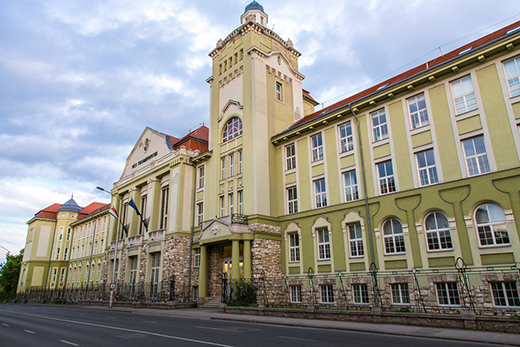
University of Pécs – Stipendium Hungaricum Scholarship Programme 2026
The University of Pécs offers a fully funded scholarship through the Stipendium Hungaricum program, a prestigious Hungarian government initiative designed to support outstanding international students. This scholarship enables recipients to pursue Bachelor’s, Master’s (including one-tier), and Doctoral studies at Pécs without the burden of tuition. Benefits The scholarship delivers a comprehensive financial package covering all major needs: Eligibility Criteria To apply for this scholarship at the University of Pécs, candidates must: Some programs might additionally require a minimum GPA, letters of recommendation, a research proposal (especially for PhD applicants), or other department-specific criteria. Required Documents The application process requires the following: Application Process Performance and Extension Scholars are generally required to maintain satisfactory academic progress. For undergraduate and Master’s students, extensions may be granted for up to two additional semesters, subject to institutional approval. In such cases, some benefits (like the monthly stipend or housing allowance) may not continue, depending on scholarship regulations. Why Choose University of Pécs? Studying at the University of Pécs through the Stipendium Hungaricum scholarship offers several advantages: CLICK HERE FOR MORE INFORMATION
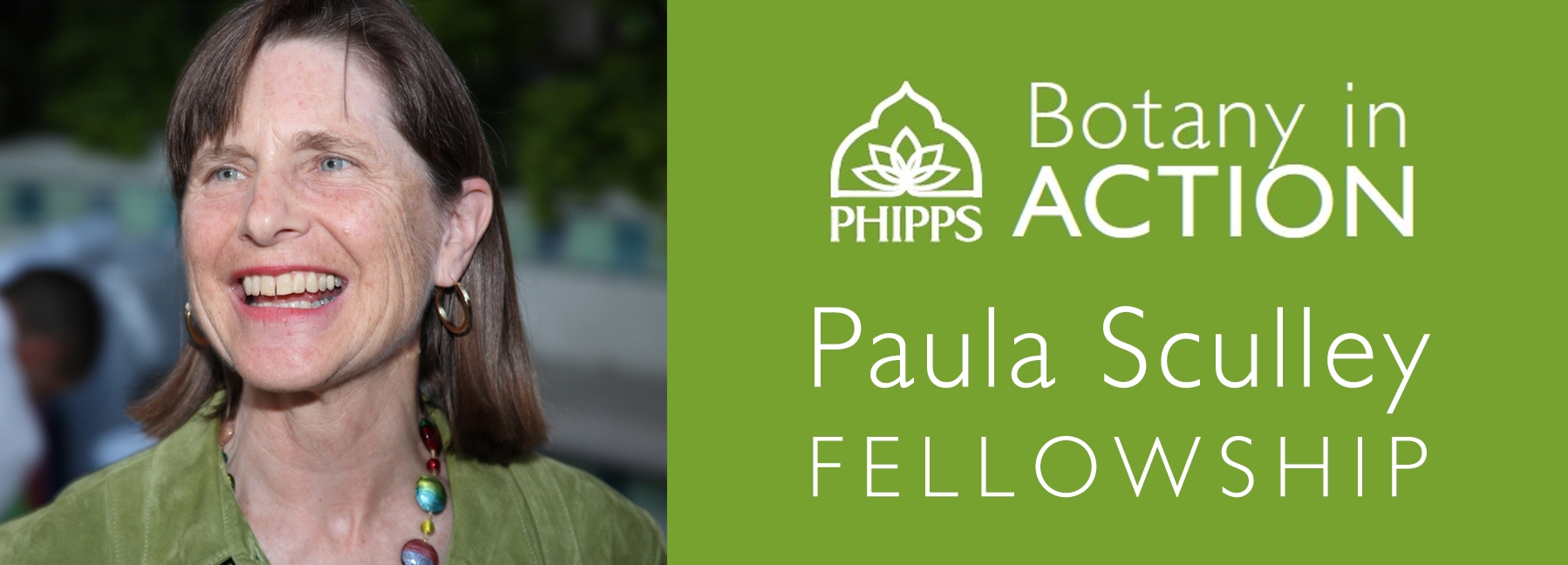
Botany in Action Fellowship Program 2026
The Botany in Action Fellowship Program (BIA) 2026 offers an exceptional opportunity for emerging plant scientists to advance both their research and public engagement skills. This fully funded fellowship is designed to support doctoral students who are conducting innovative plant-based research and are passionate about translating scientific knowledge into public education and outreach. Over the course of one year, selected fellows receive financial support for research and outreach activities, participate in immersive training programs, and gain membership in a global community of botanists committed to connecting science with society. Program Focus and Research Themes The fellowship encourages applicants whose research aligns with key areas of botanical science that have both ecological and societal relevance. Priority areas include ethnobotany, which examines the relationships between plants and human health, culture, and nutrition; biodiversity and biocultural conservation, especially in regions of high ecological importance; and restoration ecology, focusing on the rehabilitation of degraded landscapes, including brownfields, and the promotion of ecosystem services. Fellows working on sustainable landscaping, urban ecology, and innovative approaches to green infrastructure are also encouraged to apply. Interdisciplinary research that links plant biology to human health, environmental sustainability, or food systems science is particularly valued. Studies addressing regenerative agriculture, underutilized crops, or traditional ecological knowledge are also strongly encouraged. Fellowship Benefits Selected fellows receive a grant of $6,000, which can be used to support research, community outreach, or public engagement activities. The fellowship also covers travel and accommodation for a fully sponsored Science Engagement Week, during which fellows participate in workshops designed to enhance their ability to communicate complex scientific concepts to diverse audiences. Beyond the initial engagement period, fellows continue to contribute to outreach efforts, leveraging a variety of platforms such as community presentations, podcasts, blogs, and educational events. These activities are intended to strengthen public understanding of plant science and highlight the societal value of botanical research. Eligibility Criteria Applicants must be enrolled in a Ph.D. program in the United States, though U.S. citizenship is not required. Candidates should be actively conducting plant-based research and must demonstrate the ability to travel to the program site for the Science Engagement Week. Fellows are expected to participate fully in the training program and to maintain ongoing engagement in outreach activities following the workshop. Returning fellows seeking renewal must provide evidence of significant progress in both research and public engagement during the previous fellowship period. Application Process Applicants are required to submit a comprehensive package that includes a research proposal and curriculum vitae compiled into a single document. The proposal should clearly outline the research objectives, methodology, expected outcomes, and potential impact on both the scientific community and the general public. Additionally, candidates must provide two abstracts: one written for an academic audience and one written in language accessible to the general public. These abstracts help reviewers assess the clarity and broader significance of the proposed work. Two letters of recommendation are also required. At least one should address the applicant’s research abilities, and one should speak to their potential for public engagement and outreach. Recommendation letters must be submitted directly by the referees to ensure confidentiality and credibility. All application materials must be submitted by the stated deadline. Incomplete applications or submissions received after the deadline will not be considered. Careful attention to detail in the application process, including clear and concise writing and adherence to formatting guidelines, can significantly enhance an applicant’s chances of selection. Conclusion The Botany in Action Fellowship provides an unparalleled opportunity for doctoral students to advance their careers while making meaningful contributions to public understanding of plant science. By combining rigorous research funding with professional development and outreach training, the program cultivates well-rounded scientists who are equipped to address ecological challenges, promote sustainable practices, and inspire communities through science communication. Fellows emerge not only with strengthened research capabilities but also with the skills and network necessary to become leaders in botanical science and environmental education. CLICK HERE FOR MORE INFORMATION

Sub‑Saharan Africa Health Research & Innovation Fellowship (SAHRI) – 2026
The Sub‑Saharan Africa Health Research and Innovation (SAHRI) Fellowship is a prestigious, fully funded program designed to cultivate a new generation of biomedical and clinical researchers from sub‑Saharan Africa. Targeting mid-career professionals, the fellowship provides a unique platform for fellows to develop advanced scientific knowledge, research skills, and leadership capabilities. Over the course of three years, the program empowers 12 highly talented individuals to address critical health challenges in the region, particularly in the field of infectious diseases. The SAHRI Fellowship integrates academic training, industry exposure, and research application to ensure that participants gain both theoretical expertise and practical experience. By combining these elements, the program aims to strengthen the research capacity of African institutions while fostering innovation and collaboration between local and international scientific communities. Program Structure The fellowship is structured around three interconnected phases: academic training, industry placement, and a return-home research project. In the first phase, fellows undertake a Master of Science in Tropical Medicine, designed to equip them with advanced knowledge in infectious diseases, epidemiology, and biomedical research. Additionally, fellows participate in specialized courses on systems thinking and biotech development, which enhance their ability to design innovative solutions to public health problems. The second phase consists of a six-month placement at an industry partner, offering fellows direct exposure to cutting-edge biotechnological research and development. This phase allows participants to apply their academic knowledge in a real-world setting, gain hands-on experience with innovative health technologies, and understand the processes involved in translating research into practical solutions. Concurrently, fellows engage with leading African research centers, collaborating on projects that address local health priorities and contributing to high-impact research initiatives. The final phase emphasizes the application of knowledge gained through the fellowship. Participants return to their home institutions to implement a research project aligned with local public health needs. This phase ensures that the skills and experience acquired abroad are transferred to African research environments, promoting sustainable capacity building and the development of local expertise. Fellows receive ongoing mentorship throughout the program, supported by experienced researchers from both African and international institutions. This mentorship fosters scientific growth, leadership development, and the formation of professional networks across regions. Eligibility Criteria Applicants must be nationals of a sub-Saharan African country with a strong commitment to contributing to health research in their home region. Eligible candidates typically hold a degree equivalent to a European Master’s in disciplines such as Medicine, Biomedical Sciences, Clinical Microbiology, or Pharmaceutical Sciences. The program seeks individuals with three to ten years of professional experience post-graduation, demonstrating a clear interest in infectious disease research, prior publications, or relevant research experience. Candidates are also required to show institutional support, including a letter of commitment from their home organization, and to present a clear vision for leveraging the fellowship to enhance research capacity locally. Women researchers are strongly encouraged to apply, reflecting the program’s commitment to gender equity and diversity. Benefits of the Fellowship The SAHRI Fellowship offers a comprehensive support package, covering tuition fees for the master’s program, research expenses, international travel, and accommodation. Fellows receive a monthly stipend for living costs and health insurance coverage throughout the program. This fully funded structure ensures that participants can focus entirely on their academic, research, and professional development without financial concerns. Strategic Impact The SAHRI Fellowship is designed to produce highly skilled, innovative African researchers capable of leading health research initiatives in their countries. By combining rigorous academic training, industry exposure, and mentorship, the program strengthens local research institutions and promotes sustainable development in public health. Fellows become agents of change, equipped to implement innovative solutions to pressing health challenges and to foster scientific collaboration both within the region and globally. Through this fellowship, sub-Saharan Africa can cultivate a new generation of leaders in biomedical research, capable of driving innovation, improving healthcare outcomes, and contributing to global scientific progress. The program ultimately aims to reinforce the region’s research ecosystem, enabling African scientists to lead transformative health research and innovation initiatives. CLICK HERE FOR MORE INFORMATION
Imagine H2O Asia Program 2026
The Imagine H2O Asia Program 2026 is now accepting applications from innovative water-technology startups seeking to expand across South and Southeast Asia. With a mission to advance climate resilience and address the region’s urgent water challenges, the program offers a structured pathway for companies to validate their solutions, secure partnerships, and deploy pilot projects in high-impact markets. Applications close on December 21, 2025. Program Overview The program is based in Singapore and operates as a specialized accelerator dedicated to supporting companies working on water innovation. It serves both regional and international ventures, offering targeted support for those aiming to establish or grow their presence in Asia. By connecting startups with utilities, regulators, investors, and development organizations, Imagine H2O Asia functions as a central platform for accelerating the adoption of practical water solutions. The initiative is designed for technologies that address challenges such as water treatment, wastewater management, water quality monitoring, resource efficiency, flood resilience, and climate-driven water risks. Startups selected for the 2026 cohort will participate in a multi-month capacity-building and market-expansion program hosted through Singapore’s water innovation ecosystem. Key Benefits for Startups 1. Market Access Across Asia Participants gain structured access to potential customers across the region. The program connects startups with experienced in-country advisors who provide insight into local regulations, customer preferences, and operational contexts. Startups also receive introductions to utilities, industrial water users, and commercial partners throughout Southeast Asia. These connections are designed to accelerate commercial discussions and unlock new opportunities for pilot implementation and scale-up. Founders can also engage directly with customers during curated meetings in Singapore and through participation in regional events focused on water and climate innovation. The program’s physical presence at the Singapore Water Exchange provides additional networking and visibility benefits. 2. Startup Development and Expert Guidance The program places strong emphasis on strategic readiness. Selected startups receive tailored support in refining their value proposition, strengthening investor materials, and enhancing their pitch. Coaching is delivered by mentors with expertise in water technology, venture development, and emerging-market commercialization. In addition, thematic workshops led by industry practitioners and alumni focus on essential growth topics such as enterprise sales, fundraising strategy, business model optimization, and team development. Market deep-dive sessions help startups understand new customer segments, test assumptions, and prioritize entry strategies. 3. Pilot Funding and Deployment Support A defining feature of Imagine H2O Asia is its pilot funding mechanism. Startups can apply for co-funding to implement pilot projects with regional customers. Funding opportunities include grants of up to US$25,000 and, for selected high-potential deployment opportunities, additional financial support of up to US$125,000 through the program’s broader pilot fund. Alongside financial support, the program assists with sourcing suitable pilot sites, structuring pilot objectives, and providing on-the-ground guidance during implementation. Upon completion of the program, alumni remain eligible for continued funding cycles, enabling long-term regional growth. Eligibility Requirements The initiative is designed for early-stage and growth-stage companies that can benefit from structured support and regional access. To qualify, ventures must be less than 12 years old, generate under US$5 million in annual revenue, and have raised less than US$20 million in equity investment. Applicants may be headquartered anywhere in the world, provided they demonstrate strong commitment to piloting or expanding in South and Southeast Asia. Program Timeline Following the application deadline, the program begins in early 2026 and runs for several months. During this period, participants engage in workshops, advisory sessions, networking events, and pilot-readiness activities. Even after the formal program concludes, founders continue to receive support through alumni networks and follow-on pilot funding. Overall Impact Imagine H2O Asia has a strong record of accelerating practical solutions to Asia’s water and climate challenges. The 2026 program continues this mission by equipping startups with the technical guidance, financial tools, and market access needed to deliver measurable impact. APPLY HERE: https://apply.imagineh2o.org/apply/program/2026-imagine-h2o-programs
Call for Concept Notes – SANDEE Research Grant 2026
The South Asian Network for Development and Environmental Economics (SANDEE), housed within the International Centre for Integrated Mountain Development (ICIMOD), is seeking concept notes for its 2026 research grant cycle. This grant scheme supports early- and mid-career researchers based in South Asia and the Hindu Kush Himalaya (HKH) region. SANDEE’s mission is to strengthen research capacity and foster rigorous economic analysis around the links between economic development, natural resource use, and environmental change. Aligned with ICIMOD’s 2023–2026 vision toward 2030 a greener, more inclusive, and climate-resilient HKH this call invites studies that contribute to three strategic thematic areas: Climate & Environmental Risks, Resilient Economies & Landscapes, and Regional Action & Global Advocacy. Strategic Themes & Research Priorities SANDEE emphasizes empirical research that links economic rigor with policy relevance; therefore, concept notes must clearly articulate how their findings can inform decision-makers at various levels (local, national, regional). Application Guidelines & Eligibility Funding & DurationSANDEE anticipates grant amounts to range from USD 20,000 to 30,000, typically covering a two-year period. Larger grants may be awarded to projects with cross-country teams or transboundary focus that require broader interdisciplinary collaboration. Selection & Application Process Due to the high volume of applications, SANDEE does not reply to individual status inquiries. If you experience any technical difficulties with the online form, you may contact the SANDEE team by email, explaining your issue briefly. Why Apply?This grant provides a platform to generate policy-relevant research with scientific rigor, build connections across the HKH region, and contribute to evidence-based decision-making on climate change, resource management, and regional cooperation. It’s a great opportunity for early- and mid-career researchers dedicated to producing research that matters both in academia and in practice. APPLY HERE
Intern, Human Resources Management
This internship offers a unique opportunity to gain hands-on experience within the Human Resources Management division of a prominent international organization. The intern will work under the supervision of an experienced HR officer and support the Talent Planning & Acquisition (TPA) unit in Vienna. The role involves a combination of observation, project involvement, and direct contributions to key HR processes. Organizational ContextUNIDO, a specialized agency of the United Nations, is dedicated to fostering inclusive and sustainable industrial development. The Human Resources Management division plays a pivotal role in realizing the organization’s mission by designing and executing HR strategies that support organizational performance and employee engagement. Within this framework, the TPA unit is focused on workforce planning, talent acquisition, and ensuring alignment between recruitment practices and UNIDO’s values. Key ResponsibilitiesAs an HR intern, you will be exposed to a broad range of tasks: Qualifications Terms & Conditions Core Values & CompetenciesInterns will be expected to uphold the organization’s core values daily: integrity, professionalism, and respect for diversity. Key competencies for the role include: Learning OutcomesThis internship provides a rich learning environment that will help you: CLICK HERE FOR MORE INFORMATION
Science for Wildlife is Seeking a Conservation Research & Programs Manager
Science for Wildlife is a purpose-driven conservation organisation dedicated to achieving real-world impact through rigorous science. We combine field-based ecological research, community participation, and stakeholder collaboration to conserve iconic species including koalas and medium-sized native mammals across the Greater Blue Mountains landscape. Based in this World Heritage region, our team is passionate, field-active, and committed to applying innovative, science-led solutions to pressing conservation challenges. Role Overview We are seeking a skilled and motivated Conservation Research & Programs Manager to coordinate and lead a portfolio of research and on-ground conservation programs. In this role, you will work closely with our science team to guide projects from conception through to delivery: designing research, coordinating fieldwork, managing data, producing publications, and engaging with a diverse range of stakeholders. Your work will directly support our mission to understand how species respond to threats like bushfires and climate change, and to translate that knowledge into effective conservation actions. Key Responsibilities Qualifications & Skills Why Join Us This role offers a unique opportunity to integrate cutting-edge ecological science with tangible conservation outcomes. You will be part of a collaborative, growing team that values innovation, field-based work, and real-world impact. With flexible working arrangements including remote work, office days, and on-site fieldwork you’ll be supported to deliver meaningful research in a world-heritage landscape. Most importantly, your work will directly contribute to preserving species and ecosystems under increasing environmental pressure. Location & Working Conditions Application Information We encourage motivated applicants who are ready to transform their passion for wildlife conservation into action. Successful candidates will be invited to submit a CV and a cover letter outlining relevant experience and motivation. This is a key leadership role where science truly drives conservation join us in making a measurable difference for wildlife and landscapes. CLICK HERE FOR MORE INFORMATION
University of Exeter – EPSRC Doctoral Landscape Award
The University of Exeter is proud to offer a selection of fully-funded PhD studentships under the EPSRC Doctoral Landscape Award for the 2026/27 academic year. These studentships provide exceptional opportunities for highly motivated candidates to pursue advanced research across a wide range of disciplines supported by the Engineering and Physical Sciences Research Council (EPSRC). The program is designed to foster interdisciplinary collaboration, innovative thinking, and research excellence in areas of strategic importance. Research Environment and SupervisionStudents accepted into the program will benefit from supervision by leading academics at the University of Exeter, with each project guided by at least two supervisors. Depending on the focus of the research, studentships may be based at the Exeter campus or at the Cornwall campus. The university offers a dynamic research environment that encourages cross-disciplinary collaboration and partnerships with industry, government, and other research institutions. This supportive ecosystem enables students to engage in impactful research while developing skills for both academic and professional success. Available Research ThemesApplicants may select up to three projects of interest. The research themes are diverse, reflecting contemporary challenges and emerging technologies. Some example areas include: Each project is structured to provide hands-on research experience and opportunities for collaborative innovation, preparing graduates for successful careers in academia, research, or industry. Eligibility RequirementsCandidates must meet both academic and residency requirements. Academic qualifications typically include a first-class or upper second-class honors degree in a relevant discipline. Applicants with a lower second-class degree may also be considered if they possess a master’s degree or substantial relevant experience. Candidates must also satisfy residency criteria established by the EPSRC, which determine eligibility for full funding. Funding PackageThe award offers a comprehensive funding package for the full duration of the PhD program, which is generally three and a half years for full-time students. This includes: This generous funding ensures that students can focus fully on their research while taking advantage of professional development opportunities provided by the university. Equality, Diversity, and InclusionThe University of Exeter is committed to fostering a diverse and inclusive research community. Students from underrepresented backgrounds are encouraged to apply, and the university provides support to ensure equitable access to all resources and opportunities. The research culture emphasizes respect, collaboration, and accessibility, enabling students to thrive both academically and personally. Application ProcessApplicants must submit a personal statement outlining research interests, motivation, and relevant experience, along with a curriculum vitae, academic transcripts, and two academic references. References should be provided by academic staff familiar with the candidate’s work. Applications are reviewed carefully, and shortlisted candidates may be invited to attend technical and general interviews to assess suitability for the program. Key DatesApplications for the 2026/27 academic year must be submitted by mid-January 2026. Shortlisted candidates are typically interviewed in February 2026, with offers made shortly thereafter. Contact InformationFor general enquiries, prospective applicants can contact the university’s graduate admissions office. For project-specific questions, it is recommended to communicate directly with the listed academic supervisors. The EPSRC Doctoral Landscape Award at the University of Exeter offers a remarkable opportunity to join a vibrant research community, gain advanced research training, and contribute to innovative projects addressing some of the most pressing scientific and technological challenges of today. CLICK HERE FOR MORE INFORMATION
Friends of the Princeton University Library (FPUL) Research Grants
The Friends of the Princeton University Library (FPUL) offer annual short-term research grants to support scholars working with Princeton’s Special Collections. These grants are designed to facilitate access to rare books, manuscripts, archives, and other unique materials housed across the University Library, including the Mudd Manuscript Library, the Marquand Library of Art and Archaeology, and the East Asian Library. The program encourages innovative research that leverages these distinctive resources to advance scholarship across disciplines. Funding and Duration FPUL Research Grants provide funding of up to $6,000, with additional support for travel expenses related to visiting Princeton. Grants typically last between two and four weeks, although the duration can vary depending on the nature of the research project. The grant period runs from May of the award year through April of the following year. Applications are generally accepted between October and January, with award notifications issued in April. Specialized Grant Opportunities In addition to standard FPUL grants, the library offers the Will Noel Innovative Cultural Heritage Research Grant. This specialized award is aimed at cultural heritage professionals interested in using advanced imaging technologies to study rare and unique materials. Tools available include multispectral imaging, Reflectance-Transformation Imaging (RTI), photogrammetry, and other high-resolution imaging systems. The Will Noel Grant is intended to support projects that uncover hidden or subtle information in archival and material culture collections. Applicants may not apply for both the FPUL Research Grant and the Will Noel Grant in the same cycle. Application Process Applicants must create an account on the grant application portal and complete an online form, including a detailed project narrative of up to 1,000 words explaining the reliance on Princeton’s collections. A current CV or résumé must be submitted alongside the proposal, and two letters of recommendation are required. Referees are invited automatically through the system. The completed application should be submitted once all components are in place. Eligibility and Evaluation The grants are open to doctoral students, early-career and senior faculty, and independent scholars worldwide. Current Princeton affiliates are not eligible. Applications are reviewed by a committee of faculty, library staff, and members of the Friends of the Princeton University Library. Selection criteria focus on the scholarly significance of the project, the originality of the research, the applicant’s qualifications, and the degree to which the project depends on the library’s special holdings. Projects that primarily rely on materials that have already been digitized or microfilmed are less competitive. Grant Use and Considerations FPUL grants are intended specifically for research in special collections and archival holdings. They do not provide general fellowship status, employment, or access to circulating collections. International applicants should note that visa sponsorship is not provided and awards may be subject to tax withholding. Grant recipients are responsible for arranging their travel and accommodations, and are strongly encouraged to secure travel insurance. Post-Award Requirements Recipients are expected to submit a brief report on their research, generally 400–600 words, which may be published on the library’s website. Digitization requests during the research period are limited and prioritized for undigitized materials, with a typical maximum of 300 pages per project. Logistics Grant recipients are provided with on-site resources including access to the library’s wireless network and research facilities. Awards are disbursed following the recipient’s visit and completion of required documentation. While the library does not provide additional privileges such as borrowing or gym access, recipients benefit from direct engagement with the library’s curatorial and technical staff, as well as the opportunity to examine materials that are rarely accessible elsewhere. Past Awardees FPUL Research Grants have supported a wide range of projects, including studies of 20th-century feminist correspondence, the analysis of Ethiopic codices, and the examination of early modern illustrated books. These projects demonstrate the program’s commitment to advancing scholarship through engagement with Princeton’s unique collections, fostering both intellectual exploration and innovation in research methodologies. The FPUL Research Grants continue to provide an invaluable opportunity for scholars to conduct focused, in-depth study while contributing to the broader academic understanding of rare and distinctive collections. CLICK HERE FOR MORE INFORMATION
