
The African Development Bank Group (AfDB) is inviting talented, motivated, and forward-thinking students and graduates to apply for its 2026 Internship Programme. This initiative provides a unique opportunity to gain professional experience within one of Africa’s leading development finance institutions. Through this programme, interns are immersed in the Bank’s vision of driving sustainable economic growth and social progress across the African continent. Programme Overview The AfDB Internship Programme aims to nurture the next generation of African leaders by offering practical exposure to the Bank’s operations, strategic priorities, and development initiatives. Interns will have the chance to work alongside seasoned professionals, contribute to meaningful projects, and gain hands-on experience in areas aligned with their academic backgrounds and career aspirations. The programme also seeks to build a pool of qualified young professionals who could potentially join the Bank’s workforce in the future. Participants will develop valuable skills in research, analysis, project management, and policy implementation while learning in an environment that promotes innovation, diversity, and collaboration. Eligibility Criteria To qualify for the 2026 Internship Programme, applicants must meet the following criteria: Applicants with excellent communication skills, adaptability, and leadership potential will be given priority. The Bank particularly values candidates who are eager to learn, demonstrate integrity, and have a passion for sustainable development. Areas of Focus Internship placements will be offered across a wide range of departments within the Bank. Eligible fields of study and professional interest include: This diversity of disciplines ensures that interns can find opportunities that best match their academic focus and personal interests. Internship Terms and Benefits Internships may take place either at the Bank’s headquarters in Abidjan, Côte d’Ivoire, or at one of its regional or country offices. Depending on operational requirements, remote placements may also be available. Interns will receive a monthly stipend to support living expenses during the placement period, along with medical insurance coverage. The Bank will provide assistance with visa arrangements for those selected for on-site internships, although travel costs to and from the duty station will be the intern’s responsibility. Interns may also have the opportunity to participate in official Bank missions and contribute to active projects, allowing them to apply classroom knowledge to real-world challenges. Application Process The 2026 Internship Programme will be conducted in two sessions. For the first session, applications open on October 31 and close on November 14, 2025. Successful candidates will be notified by mid-December, and the internship will commence in January 2026. Applicants are required to submit an updated Curriculum Vitae (CV), proof of enrollment in a master’s program (or a recent degree certificate), and a motivation letter explaining how their academic training and career goals align with the Bank’s mission. Strong emphasis is placed on clarity of purpose, commitment to development, and evidence of relevant skills or experiences. Conclusion The African Development Bank Internship Programme 2026 is more than just a work experience it is a transformative journey that enables young professionals to actively participate in Africa’s growth story. By engaging in high-impact projects, interns will enhance their competencies, broaden their perspectives, and contribute to shaping a prosperous and inclusive future for the continent. FOR MORE INFORMATION

International Court of Justice (ICJ) Judicial Fellowship Programme 2026–2027
The International Court of Justice (ICJ) invites applications for the 2026–2027 Judicial Fellowship Programme, an exceptional opportunity for outstanding law graduates to gain hands-on experience at the world’s principal judicial organ. Based in The Hague, Netherlands, this fellowship offers young professionals the chance to work closely with judges of the ICJ and deepen their understanding of public international law and the Court’s procedures. Programme Overview Established in 1999, the Judicial Fellowship Programme formerly known as the University Traineeship Programme aims to nurture the next generation of international legal scholars and practitioners. Through the programme, selected candidates are placed under the supervision of a Member of the Court, working directly alongside their legal assistant. The fellows’ primary responsibilities include conducting legal and factual research on cases before the Court, drafting memoranda, summarizing case law, and assisting in the preparation of judgments and advisory opinions. They may also attend hearings and deliberations to observe the judicial process in practice. The fellowship typically runs for a period of ten months, from early September to June of the following year. Each year, approximately 15 fellows are selected from among applicants nominated by universities worldwide. This highly competitive programme provides invaluable exposure to international judicial processes, encouraging young lawyers to develop a deeper understanding of the principles, institutions, and practices that govern international law. Eligibility Criteria To qualify for the ICJ Judicial Fellowship Programme, candidates must demonstrate exceptional academic ability, a strong interest in international law, and the intellectual maturity required to contribute to the work of the Court. Applicants should be 31 years of age or younger at the beginning of the fellowship, though exceptions may be made in special circumstances. Candidates must have obtained a degree in law and should have achieved excellent academic results, particularly in courses related to public international law. Relevant professional experience, such as research, internships, or legal practice, will also be taken into consideration. Applicants must possess outstanding written and oral communication skills in either English or French the official languages of the ICJ with a good working knowledge of the other language considered an advantage. A unique feature of the programme is that applications must be submitted through a nominating university rather than by individuals. Each university may nominate one or more candidates, ensuring a fair and institutional process. Universities are encouraged to put forward candidates from diverse backgrounds, reflecting the global nature of the Court’s mission. Application Procedure The application process begins with universities completing an online pre-screening form and designating a focal point for communication with the ICJ. Once approved, the focal point receives detailed instructions and forms for submission. For each nominee, universities must provide the following documents in a single package: Universities must also ensure that their nominated fellows receive full financial sponsorship. The ICJ does not offer stipends, housing, or travel reimbursements. Therefore, universities are responsible for covering travel expenses, living costs, and health insurance for the duration of the fellowship. Benefits and Professional Impact Although the programme is not financially supported by the ICJ, it provides immense intellectual and professional benefits. Fellows gain direct insight into the Court’s judicial decision-making process, exposure to complex international disputes, and the opportunity to engage with some of the world’s most prominent jurists. This experience strengthens participants’ analytical, research, and drafting skills, positioning them for careers in international law, diplomacy, academia, or international organizations. Many alumni of the programme have gone on to distinguished careers in international legal practice, the United Nations, academia, and government service. The fellowship also promotes long-term collaboration between the ICJ and academic institutions, fostering global dialogue and the advancement of international law. Duration and Timeline The 2026–2027 programme will commence in early September 2026 and conclude in June 2027. Applications must be submitted by universities no later than February 5, 2026. Interested institutions are strongly encouraged to begin their internal selection processes early to ensure timely and complete submissions. Conclusion The ICJ Judicial Fellowship Programme remains one of the most prestigious opportunities for emerging legal scholars seeking practical experience in the field of international law. It embodies the Court’s commitment to nurturing young talent and promoting understanding of its judicial role in the peaceful resolution of international disputes. Through this programme, fellows not only contribute to the vital work of the Court but also lay the foundation for impactful careers dedicated to justice, diplomacy, and the rule of law. APPLY HERE: https://www.icj-cij.org/judicial-fellows-program
RISE Germany Internship Program 2025–2026
The Research Internships in Science and Engineering (RISE) Germany program, organized by the German Academic Exchange Service (DAAD), offers an exceptional opportunity for undergraduate students from North America, the United Kingdom, and Ireland to participate in summer research at top German universities and research institutions. The program aims to foster international collaboration and provide students with hands-on experience in scientific and engineering research under the mentorship of doctoral candidates or experienced researchers. Each year, hundreds of motivated undergraduates are matched with research groups across Germany for a 10 to 12-week internship between May and August. Through this initiative, participants gain exposure to cutting-edge scientific work while developing their technical, analytical, and intercultural skills. The program is a stepping stone toward graduate study and international research careers. Program ObjectivesThe RISE Germany program seeks to promote scientific cooperation and cultural exchange between Germany and English-speaking nations. It provides a platform for students to: Program BenefitsSelected interns receive comprehensive financial and logistical support to make their experience both enriching and accessible. The benefits include a monthly stipend typically between €934 and €1,049 to cover living expenses, along with health, accident, and liability insurance. Partial travel funding is also provided to help offset international airfare costs. Host institutions assist students in finding accommodation and settling into their new environment. Additionally, participants are invited to attend a three-day networking meeting in Germany, where they can interact with fellow RISE scholars, share experiences, and learn more about career opportunities in science and engineering. The working language for most internships is English, making the program accessible to students without German language proficiency, although basic German knowledge is always an advantage. Eligibility RequirementsApplicants must be currently enrolled in an undergraduate program at a university in the United States, Canada, the United Kingdom, or Ireland. Eligible fields of study include biology, chemistry, physics, engineering, computer science, earth sciences, and related disciplines. Students must have completed at least two years of university coursework by the time of application and must maintain undergraduate status throughout the internship period. German citizens are eligible only if they have lived outside Germany for at least six consecutive years. While English is the main working language, applicants should possess strong communication and teamwork skills, as collaboration with international peers is a key part of the experience. Application RequirementsApplicants must prepare and submit the following materials: Application ProcessInterested students must apply through the official DAAD RISE online portal. After registering, applicants can browse the database of available research projects and select up to three that align with their academic background and research interests. All documents should be uploaded in PDF format before the deadline. The academic referee will be asked to submit their recommendation separately. Applications are reviewed by German research supervisors, and selection is based on academic performance, motivation, and suitability for the chosen projects. Successful applicants are usually notified between February and March. Timeline for the 2025–2026 Cycle ConclusionThe RISE Germany Internship Program is more than a research opportunity it is a transformative international experience that empowers undergraduates to advance their academic and professional growth. By engaging with cutting-edge research in an intercultural environment, participants develop the scientific, professional, and interpersonal skills necessary to thrive in a globalized world. APPLY HERE
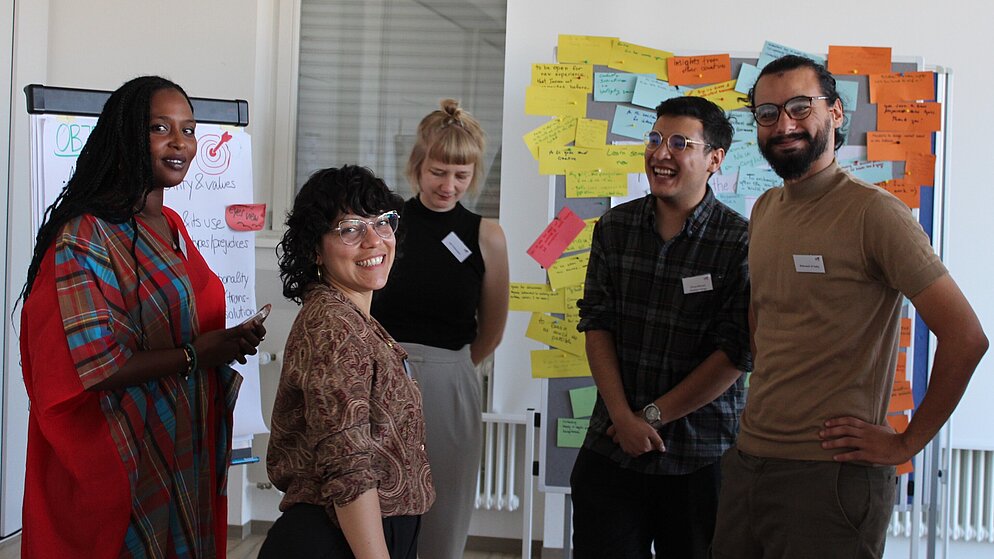
Georg Arnhold Senior Fellowship 2027
The Leibniz Institute for Educational Media | Georg Eckert Institute (GEI) invites applications for the Georg Arnhold Senior Fellowship 2027, an esteemed program designed to advance global dialogue on education for sustainable peace. This prestigious fellowship provides an opportunity for accomplished scholars and practitioners to engage in high-level research that connects theory with practice in peace education, with a particular focus on educational media and curricula in post-conflict or transitional societies. Purpose of the Fellowship The Georg Arnhold Senior Fellowship aims to foster innovative scholarship and practical insights in the field of peace education. It provides a platform for outstanding professionals to explore how education can contribute to long-term peacebuilding and reconciliation. The program seeks to bridge academic research with real-world applications, equipping educators, policymakers, and civil society organizations with tools to promote mutual understanding, tolerance, and conflict resolution through education. The Fellow will be expected to undertake a research project that contributes to the broader mission of the Georg Arnhold Program transforming educational systems and media into vehicles for sustainable peace. The results of this work should inspire meaningful change in both educational practice and public policy. Fellowship Benefits The selected Fellow will spend up to six months in residence at the Georg Eckert Institute in Braunschweig, Germany. In exceptional cases, a minimum stay of three months may be considered. The fellowship provides: Eligibility Criteria Applications are open to both distinguished scholars and experienced practitioners in fields related to peace education. All applicants should have at least five years of relevant experience in peace education, strong communication skills, and an excellent command of English. Responsibilities of the Fellow During the fellowship, the selected individual will: Application and Selection Process The selection process is rigorous and merit-based, comprising five main stages: Evaluation Criteria Applications will be assessed based on the originality, feasibility, and scholarly contribution of the proposed project. The committee also considers the applicant’s experience, ability to bridge theory and practice, and potential to influence peace education at both policy and community levels. Duration and Deadline The fellowship typically runs for a period of six months between January and June 2027. All applications must be submitted by November 14, 2025. Contact Information For inquiries, applicants may contact Katharina Baier, Program Manager of the Georg Arnhold Program, at the Georg Eckert Institute in Braunschweig, Germany. The Georg Arnhold Senior Fellowship offers an exceptional opportunity to contribute to global peace education through research, dialogue, and collaboration. By empowering professionals to rethink educational practices in divided societies, the program continues to play a vital role in shaping peaceful, inclusive futures worldwide. FOR MORE INFORMATION
NRF/SARAO Graduate-In-Training Programme 2026
The National Research Foundation (NRF) and the South African Radio Astronomy Observatory (SARAO) invite applications for the 2026 Graduate-In-Training (GIT) Programme. This initiative is designed for dynamic and motivated graduates who have completed studies in science, engineering, or related fields and are eager to gain practical experience in one of the most advanced radio astronomy environments in the world. The programme offers an excellent platform for graduates to transform academic knowledge into professional expertise while contributing to the continued success of South Africa’s globally recognized astronomy initiatives. About the Programme The Graduate-In-Training Programme is an intensive, structured three-year developmental initiative that aims to prepare graduates for professional careers in engineering, data science, and technology management within the astronomy and broader scientific research sectors. Through hands-on learning, participants will engage in complex and high-impact projects that support the operations and development of world-leading radio astronomy instruments, including the MeerKAT telescope and the Square Kilometre Array (SKA) project. The programme begins in March 2026 and offers placements at SARAO facilities located in Cape Town, the Northern Cape (Losberg site), and HartRAO (Hartebeesthoek). Each participant will be assigned to a specific technical area and mentored by experienced professionals who guide them in applying theoretical knowledge to real-world challenges. This mentorship structure ensures continuous learning, professional growth, and exposure to multidisciplinary work environments. Programme Objectives The primary goal of the GIT Programme is to cultivate the next generation of scientists, engineers, and technology leaders who will contribute to South Africa’s growing role in global radio astronomy and innovation. Participants will: In addition, graduates who choose to pursue part-time postgraduate studies during the programme may receive support from SARAO to further their academic development. Eligibility Criteria The programme welcomes applications from candidates who have completed or are in their final year of study in the following fields: Applicants should demonstrate a strong academic record, analytical ability, and enthusiasm for contributing to technological innovation. A passion for problem-solving, curiosity, and a commitment to excellence will be key attributes for success in this programme. Application Process Applications for the 2026 intake close on 17 November 2025. Interested candidates must complete the official online application form and provide all supporting documentation, including academic transcripts, a detailed curriculum vitae, and a motivational statement outlining their interest in the programme. Shortlisted candidates will undergo a formal assessment and interview process. Successful applicants will be notified early in 2026 and expected to begin their placements on 1 March 2026. Why Join the Programme? The NRF/SARAO Graduate-In-Training Programme offers a unique and inspiring environment where young professionals can thrive. Participants will gain exposure to cutting-edge technologies used in some of the most ambitious scientific projects in the world. Working alongside skilled engineers, scientists, and technologists, graduates will develop a strong professional foundation and contribute to projects that have a global scientific impact. This programme is more than just a graduate opportunity it is an investment in the future of innovation and research excellence in South Africa. Graduates who complete the programme emerge with highly marketable skills, professional experience, and a deep understanding of large-scale scientific infrastructure. Many participants go on to secure permanent positions within SARAO or related research and technology institutions, contributing to national and international scientific advancement. If you are a passionate, motivated graduate eager to be part of South Africa’s world-leading radio astronomy community, the NRF/SARAO Graduate-In-Training Programme 2026 provides the ideal platform to launch a rewarding and impactful career. FOR MORE INFORMATION

Wild Animal Initiative Challenge Grants 2025
The Wild Animal Initiative has announced the 2025 Challenge Grants, an exciting funding opportunity aimed at supporting pioneering research that advances the understanding and improvement of wild animal welfare. This program is designed to encourage innovative projects that address critical, underexplored questions in the field of wild animal welfare science particularly those that conventional funding bodies often overlook. By supporting these initiatives, the organization hopes to expand the evidence base needed to make well-informed decisions about how best to protect and support wild animals in their natural environments. Purpose and ObjectivesThe Challenge Grants are intended to stimulate groundbreaking research that has the potential to transform our understanding of how wild animals live, behave, and interact with their environments. The focus of the program is on studies that not only contribute to academic knowledge but also have practical implications for improving the welfare of animals living in the wild. Researchers are encouraged to explore questions related to animal well-being, environmental changes, behavioral ecology, and the impacts of human activity on animal populations. Projects that bridge the gap between theory and practice offering real-world applications and policy relevance are particularly encouraged. Funding and Grant ValueSuccessful applicants will receive grants ranging between USD 50,000 and USD 100,000, depending on the scale, scope, and potential impact of the proposed research. These funds are meant primarily to cover direct research expenses such as fieldwork costs, laboratory supplies, and materials. However, other justified costs, including researcher stipends, salaries, or essential equipment, may also be considered. The Wild Animal Initiative places emphasis on financial accountability and value for money, ensuring that each funded project delivers meaningful outcomes relative to the investment made. Eligibility CriteriaThe Challenge Grants are open to researchers and scientists affiliated with recognized institutions such as universities, research centers, or government agencies. The principal investigator must be an experienced researcher capable of independently leading a high-quality scientific study. While collaboration with graduate students or early-career researchers is encouraged, the overall project leadership must demonstrate a strong academic and professional record. Applicants whose work involves international or field-based research must ensure collaboration with residents or local researchers from the country or region where the study will take place. For projects managed by non-governmental organizations, official registration within the host country is mandatory. This ensures ethical and equitable collaboration, as well as compliance with local research standards and biodiversity regulations. Scope of ResearchThe Challenge Grants program is open to both standalone studies and projects that expand upon existing research by integrating a wild animal welfare perspective. Proposals should aim to answer pressing questions, test innovative methods, or develop new frameworks that can guide conservation and welfare efforts. Topics may include understanding stress responses in wild populations, assessing the welfare impacts of environmental disturbances, or developing welfare-sensitive management practices for wildlife habitats. The initiative encourages multidisciplinary approaches, combining insights from ecology, biology, ethics, and policy studies to create a holistic understanding of wild animal welfare. Proposals that demonstrate clear scientific rigor, originality, and feasibility will be prioritized during the evaluation process. Application ProcessInterested applicants must first submit an Expression of Interest (EOI) outlining their research concept, objectives, methods, and potential impact. The deadline for EOIs is November 14, 2025. Following this initial phase, shortlisted candidates will be invited to submit a full proposal for further consideration. At this stage, applicants who also express interest in the associated fellowship opportunities will be notified if they qualify for a postdoctoral or PhD-level fellowship to accompany their research grant. Applications will be reviewed by a committee of experts in wildlife science, welfare, and conservation, who will assess proposals based on scientific merit, innovation, ethical considerations, and relevance to the initiative’s mission. ConclusionThe Wild Animal Initiative Challenge Grants 2025 represent a major opportunity for researchers committed to advancing the science of wild animal welfare. With generous financial support, a strong focus on innovation, and a commitment to filling key knowledge gaps, the program stands as a catalyst for transformative research that can influence both academic understanding and practical conservation policy. By empowering researchers to explore the complex lives of wild animals, this initiative contributes meaningfully to building a world where the well-being of all species is recognized, valued, and protected. FOR MORE INFORMATION

Global Development Fellowship at Imperial College London 2026
The Global Development Fellowship at Imperial College London is an exceptional opportunity designed for PhD candidates enrolled in universities based in Least Developed Countries (LDCs) or Lower-Middle-Income Countries (LMICs). The fellowship provides early-career researchers with the chance to conduct short-term research placements at one of the world’s leading universities, fostering academic collaboration, research innovation, and capacity building in global development studies. This fellowship aligns with Imperial College London’s mission to strengthen international research partnerships and support impactful research addressing critical development challenges. By engaging with Imperial’s renowned faculty and state-of-the-art research facilities, fellows gain invaluable exposure to new methodologies, technologies, and global research networks that enhance their doctoral work and future career pathways. Fellowship Overview The Global Development Fellowship offers placements lasting between two and four months, hosted at Imperial’s campus in London, United Kingdom. The programme is open to PhD students who are actively enrolled at accredited institutions in LDCs or LMICs and who hold citizenship and permanent residence in those same countries. The 2025–2026 fellowship cycle has a submission deadline of 28 November 2025 (23:59 GMT). Selected fellows will commence their placements in March 2026, with all placements expected to conclude by 31 July 2026. Fellowship Benefits Imperial College London provides a comprehensive package of benefits to ensure participants can fully focus on their research. Fellows receive a monthly stipend to support living expenses during their stay in London, as well as round-trip economy airfare between their home country and the United Kingdom. Additional support includes assistance with visa applications covering biometric residence permits, travel costs to visa centres, and related administrative fees. Participants are also given an arrival allowance to help settle into London life. While accommodation is not provided or funded by Imperial, the fellowship team offers guidance to help participants find suitable housing. Fellows also gain full access to Imperial’s academic resources, laboratories, research infrastructure, and development workshops, allowing them to advance their research and academic competencies. Eligibility Criteria To qualify for the Global Development Fellowship, applicants must: In some cases, depending on the nature of the research, applicants may be required to obtain an Academic Technology Approval Scheme (ATAS) certificate before beginning the placement. Required Documentation Applicants are expected to submit a complete application package that includes: Application Process Interested candidates should begin by identifying a potential host supervisor at Imperial whose research aligns with their doctoral work. After securing the supervisor’s commitment, applicants should obtain a support letter from their home institution, complete the application form, and compile all necessary documentation. Early coordination of visa and travel logistics is strongly encouraged to ensure a smooth transition. Applications are reviewed by a selection committee composed of Imperial College faculty members and research staff. Evaluation criteria include academic merit, potential contribution to development-focused research, the relevance of the proposed placement to the candidate’s doctoral studies, and the overall diversity of applicants by discipline and geography. A Platform for Global Research Collaboration The Global Development Fellowship exemplifies Imperial College London’s commitment to advancing global research excellence and equity. By equipping talented PhD students from developing regions with the resources, mentorship, and exposure needed to elevate their research, the programme contributes to building a more inclusive international research community. Fellows return to their home institutions with new insights, skills, and connections that strengthen local academic ecosystems and promote sustainable development worldwide. In essence, this fellowship is more than just a research opportunity it is a transformative academic experience that empowers the next generation of global scholars to lead solutions to some of the world’s most pressing challenges. APPLY HERE

Climate Smart Communities Initiative 2026 – Grants Opportunity
The Climate Smart Communities Initiative (CSCI) 2026 has officially opened its call for grant applications, providing an exceptional opportunity for communities worldwide to access both funding and technical support aimed at building long-term climate resilience. This initiative is designed to help local actors move from vision to implementation transforming climate adaptation strategies into tangible, community-led solutions that safeguard livelihoods, infrastructure, and ecosystems. Purpose and Vision The CSCI 2026 program seeks to empower communities to take meaningful action against the growing threats of climate change. Recognizing that local stakeholders are best positioned to understand and address their unique environmental challenges, the initiative focuses on supporting projects that combine innovation, inclusivity, and sustainability. By blending financial assistance with expert mentorship, the program ensures that local governments, non-profits, and community organizations have the capacity and knowledge to execute effective climate solutions that endure beyond the grant period. The ultimate vision of CSCI is to create a global network of resilient, climate-smart communities capable of mitigating risks, adapting to change, and thriving amid environmental uncertainty. The initiative aligns closely with the Sustainable Development Goals (SDGs), particularly SDG 13 (Climate Action), while also advancing progress in areas such as clean energy, water management, and sustainable cities. Who Can Apply The Climate Smart Communities Initiative invites applications from a wide range of actors, including community-based organizations, local government entities, NGOs, and social enterprises. Eligible applicants must demonstrate a strong commitment to addressing local climate challenges and a clear strategy for implementing sustainable solutions. Projects may focus on various areas, such as renewable energy adoption, sustainable agriculture, ecosystem restoration, circular economy initiatives, or climate education and awareness campaigns. Applicants are encouraged to collaborate with other stakeholders including academia, private sector partners, and local authorities to enhance the scale and sustainability of their interventions. Funding and Support CSCI offers more than just financial aid it provides a comprehensive support structure that combines funding with mentorship, technical guidance, and knowledge-sharing opportunities. Successful applicants will receive targeted resources to: By combining financial investment with expert advisory support, the program ensures that projects deliver measurable, lasting results while fostering community ownership and innovation. Focus Areas and Expected Impact The initiative encourages proposals that deliver practical, replicable, and equitable outcomes. Focus areas may include climate-resilient agriculture, renewable energy infrastructure, sustainable land and water management, waste reduction, and nature-based solutions. Projects are expected to demonstrate clear social and environmental benefits such as reduced carbon emissions, improved food security, enhanced biodiversity, or greater preparedness for extreme weather events. Emphasis is also placed on inclusion and equity, ensuring that vulnerable and marginalized groups such as women, youth, and indigenous populations play a central role in project design and implementation. Application Process Interested organizations should prepare a detailed proposal outlining the local context, key climate challenges, project objectives, proposed interventions, expected outcomes, and sustainability strategies. Applicants are encouraged to include a stakeholder engagement plan and demonstrate how their initiatives will remain viable beyond the grant period. Strong proposals will exhibit innovation, clear impact metrics, financial transparency, and alignment with national or regional climate strategies. Early preparation and collaboration with local partners can significantly strengthen an application’s chances of success. A Pathway Toward Climate-Resilient Futures The Climate Smart Communities Initiative 2026 represents a vital opportunity for local leaders to translate ambition into action. By empowering communities to design and implement scalable climate solutions, the program contributes to a more sustainable and resilient future for all. It recognizes that climate change is a shared challenge and that meaningful progress depends on empowering local voices, harnessing local knowledge, and supporting locally-driven solutions that make a global difference. APPLY HERE: info@climatesmartcommunity.org

Work from Home AS A Research Consultant – Climate Action AND Digital Solutions AT UNHCR
The United Nations High Commissioner for Refugees (UNHCR) is seeking a highly qualified Research Consultant to support its Innovation Service in advancing digital and climate-focused solutions within humanitarian contexts. This role aims to bridge the gap between digital innovation and climate action, enhancing resilience for refugees, internally displaced, and stateless populations affected by climate-related challenges. The selected consultant will lead a comprehensive desk-based study to explore how digital technologies can accelerate climate adaptation, strengthen resilience, and improve environmental sustainability in displacement settings. The outcome of this research will inform UNHCR’s strategic direction and operational programming, identifying actionable pathways for integrating technology into climate-related interventions. Position Title: Research Consultant – Climate Action and Digital SolutionsDuty Station: Home-Based (Flexible within a compatible time zone)Duration: Three-month consultancy (Approximately 60 working days, December 2025 – February 2026)Organizational Unit: Innovation Service, UNHCR Headquarters, Geneva, Switzerland Key Responsibilities The Research Consultant will design and execute a detailed research plan focusing on digital innovations that support climate action in humanitarian operations. Specific tasks will include: Throughout the consultancy, the researcher will work under the supervision of UNHCR’s Innovation Service, ensuring that all outputs align with the organization’s climate action strategy and global digital transformation agenda. Qualifications and Experience Education: Professional Experience: Skills and Competencies: Why This Role Matters This consultancy presents a unique opportunity to contribute to UNHCR’s mission of protecting people forced to flee by identifying innovative, technology-driven responses to climate change. As the impacts of climate crises intensify, displaced populations face heightened risks, including food insecurity, loss of livelihoods, and exposure to natural hazards. Through this research, UNHCR aims to better understand how digital tools—ranging from data analytics and remote sensing to mobile finance and early warning systems—can enhance resilience and adaptive capacity. The consultant’s findings will shape future programmatic decisions, partnerships, and advocacy efforts at both global and field levels. This role is ideal for a professional passionate about leveraging digital innovation for sustainable humanitarian outcomes and advancing global climate resilience. Application Deadline: 11 November 2025 Interested candidates with a strong research background, proven analytical expertise, and a commitment to humanitarian innovation are encouraged to apply for this position. APPLY HERE
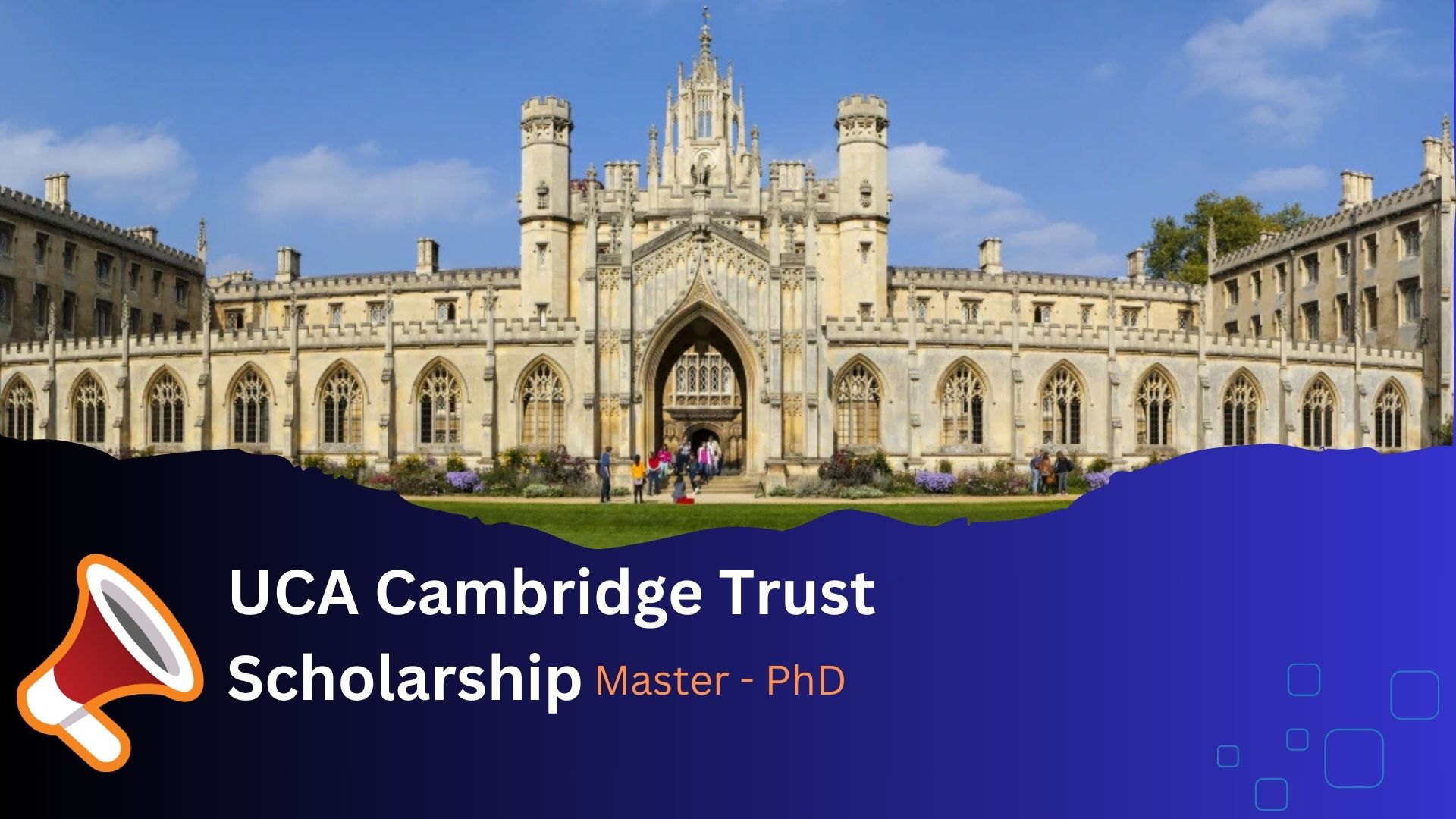
UCA–Cambridge Trust Scholarship 2025–2026
The UCA–Cambridge Trust Scholarship is a prestigious and fully funded program jointly established by the University of Central Asia (UCA) and the Cambridge Trust at the University of Cambridge. This scholarship provides exceptional students from Central Asia with the opportunity to pursue advanced studies at one of the world’s most renowned universities, with the goal of nurturing the next generation of scholars, educators, and researchers who will contribute to academic and socio-economic development across the region. Purpose and Objectives This scholarship is designed to strengthen academic collaboration between UCA and the University of Cambridge, while also promoting higher education excellence in Central Asia. The program specifically supports candidates who show strong intellectual ability, leadership potential, and a commitment to return to their home region to engage in research or teaching at UCA after completing their studies. Eligible Fields of Study Applicants may apply for a Master’s or PhD in academic areas that align with UCA’s research and teaching priorities. These include Earth and Environmental Sciences, Computer and Data Sciences, Development and Climate Economics, Media and Communication Studies, Public Policy, and Cultural Heritage and Society. The program may also consider other fields if the proposed study demonstrates direct relevance to Central Asia’s development needs. However, professional programs such as MBA or MFin are not covered under this scholarship. Scholarship Benefits The UCA–Cambridge Trust Scholarship offers a comprehensive funding package to ensure that scholars can fully dedicate themselves to their studies and research. The award includes: The funding covers the complete duration of the program, depending on the level of study. However, it does not provide support for dependents or family members accompanying the scholar. Eligibility Criteria To be considered for this opportunity, applicants must: Application and Selection Process The application process involves two main stages. First, candidates must submit an Expression of Interest (EOI) to UCA within the institution’s internal deadline. Shortlisted applicants will then be invited to apply directly to the University of Cambridge through its official admissions portal. Required application materials generally include: The selection process is competitive and involves assessment by both UCA and the Cambridge Trust. Evaluation is based on academic excellence, research potential, leadership qualities, and alignment with UCA’s strategic objectives. Post-Study Commitment Upon completing their studies, scholars are required to return to Central Asia and take up teaching or research positions at UCA for a period equivalent to their scholarship duration. Each scholar is paired with a mentor from UCA who supports their academic progress and assists with reintegration after their return. Application Timeline Deadlines may vary depending on the specific course of study, but generally, applicants must submit their initial expression of interest to UCA by late November, followed by their official Cambridge application by early December or January, depending on the program. Conclusion The UCA–Cambridge Trust Scholarship is more than just a funding opportunity it is an investment in the intellectual growth of Central Asia. By providing talented students with access to Cambridge’s world-class education and research environment, this scholarship helps cultivate a new generation of academics and innovators dedicated to driving progress and sustainable development across the region. APPLY HERE: https://ucentralasia.org/media/cdvld5ae/cafdp-application-form.pdf
