
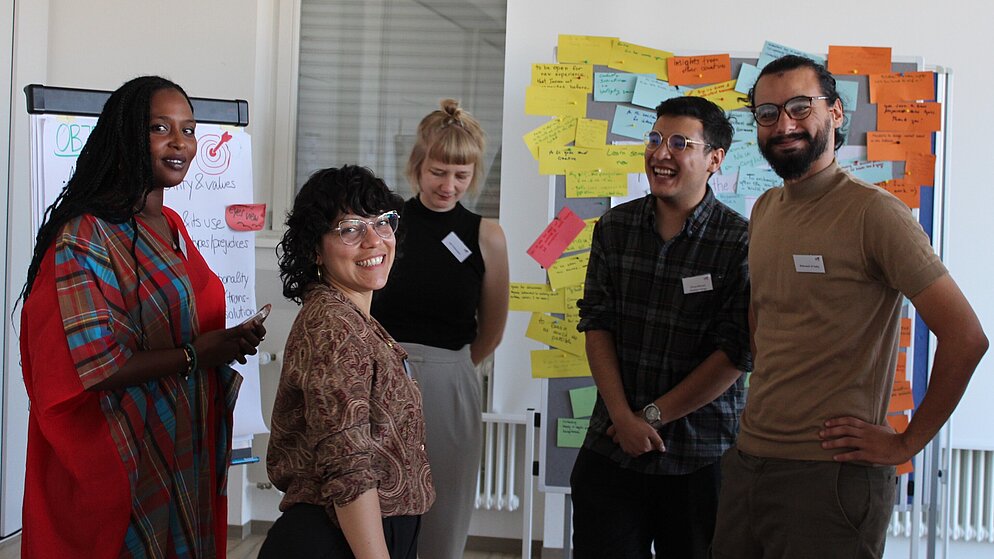
The Funding Fairer Futures initiative has opened its 2026 call for proposals, offering a significant opportunity for youth-led organisations and informal groups across Europe that are committed to advancing climate justice and inclusive environmental action. Designed to shift the climate movement toward greater equity, representation, and accountability, the initiative aims to ensure that young people particularly those from underrepresented and marginalised communities are equipped and empowered to shape climate policies and drive sustainable change.
This Funding Fairer Futures collaborative initiative is delivered by a network of organisations deeply invested in climate justice, community empowerment, and inclusive advocacy. Together, they have created a programme that goes beyond financial support to include capacity building, mentoring, networking, and long-term organisational strengthening. Central to this effort is the Youth Climate Changemakers Fund, the largest dedicated climate justice fund in Europe specifically tailored for youth-led groups. The Fund places strong emphasis on diversifying the voices involved in climate activism, reaching young people who may not traditionally identify as climate advocates but whose daily lives and communities are affected by environmental and social inequalities.
Funding Opportunities
The Funding Fairer Futures programme offers flexible, accessible financial support based on the structure of the applying group:
- Informal youth groups can receive up to €1,000, ideal for emerging initiatives or grassroots community efforts.
- Formal youth organisations may apply for €1,000 to €38,000, supporting larger-scale projects, campaigns, or long-term programmes.
Applicants must be located in one of the 27 EU Member States. The call intentionally welcomes organisations whose primary mission may not be environmental, such as groups working in social justice, health, disability rights, community well-being, culture, education, or youth empowerment. What matters is the desire to explore and strengthen the connection between their core mission and climate justice.
Strategic Priorities of the Fund
The Funding Fairer Futures 2026 cycle focuses on four key areas that collectively support the development of a robust, inclusive, and sustainable youth climate ecosystem:
1. Building Youth Climate Leadership
Funding Fairer Futures aims to ensure young leaders have the tools, visibility, and resources to shape public discourse and advocate effectively at local, national, and European levels. This includes leadership training, coaching, access to expert mentors, communication support, and opportunities to engage with policymakers.
2. Engaging New and Underrepresented Voices
A major priority is expanding climate advocacy to groups historically excluded from environmental decision-making. This includes youth with disabilities, migrant and diaspora youth, rural communities, low-income groups, and youth-led organisations focusing on arts, sports, health, or education. The initiative recognises that climate justice is deeply linked to social justice and seeks voices that reflect Europe’s full diversity.
3. Strengthening Long-Term Community Impact
The Funding Fairer Futures programme encourages applicants to consider how their projects can contribute to sustained change. This may involve enhancing organisational governance, establishing ongoing climate or community programmes, developing advocacy strategies, creating long-lasting partnerships, or building internal capacity that will endure beyond the grant period.
4. Creating a Pan-European Network of Change-Makers
Selected organisations will join a growing community of youth climate leaders committed to sharing knowledge, collaborating on initiatives, and amplifying collective impact. Through events, workshops, and regional exchanges, the programme fosters solidarity across Europe and strengthens the visibility of youth-led climate movements.
Eligible Project Activities
Projects may include but are not limited to:
- Advocacy campaigns and policy dialogues led by young people
- Community organising and grassroots mobilisation
- Creative public engagement such as art, storytelling, media production, or cultural events
- Educational workshops, awareness campaigns, or school-based initiatives
- Cross-movement collaborations linking climate justice with disability rights, migration, health, gender equality, or youth well-being
Additionally, other calls for feminist climate action, global climate justice, community resilience, and regenerative local initiatives will be announced under related funding streams offering multiple entry points for organisations addressing interconnected social and climate issues.
