
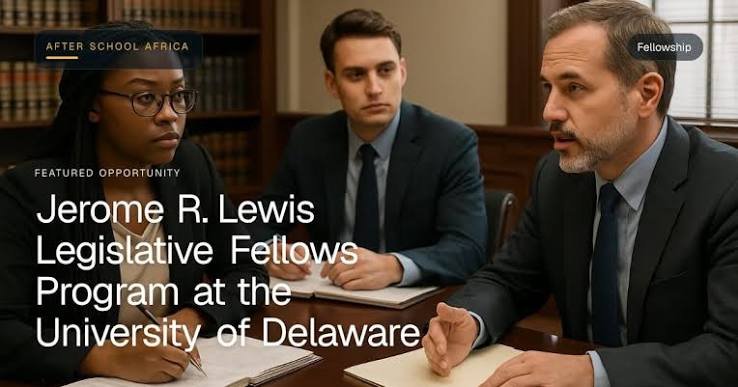
The Jerome R. Lewis Legislative Fellows Program 2027 offers students at the University of Delaware and Delaware State University an opportunity to gain practical experience in public policy, legislative research, and government decision making. The paid fellowship is managed by the University of Delaware Institute for Public Administration and connects the research capacity of the partnering universities with the research needs of the Delaware General Assembly. Founded in 1982, the programme provides selected students with the opportunity to work directly with legislators and legislative staff while conducting nonpartisan research on important public policy issues. Fellows gain first hand insight into how legislation is developed and how government institutions operate. The 2027 fellowship will run from January 12 to June 30, 2027, with an orientation during the first full week of January. Fellows will work in Dover on Tuesdays, Wednesdays, and Thursdays, conditions permitting, and will participate in a three credit seminar titled State Government: Management and Policy. The programme combines practical legislative experience with academic learning and professional development. About the Fellowship The Jerome R. Lewis Legislative Fellows Program was established as a partnership between the University of Delaware and the Delaware General Assembly. It has since become a flagship student programme of the Biden School at the University of Delaware. The programme was renamed in 2026 in honour of Jerome R. Lewis, recognising his longstanding contributions to Delaware public service and his role in mentoring generations of future policy leaders. Fellows contribute to the work of the Delaware General Assembly through timely and nonpartisan research. Their assignments can involve researching policy questions, preparing information for legislators, staffing committees, and developing written materials that support legislative decision making. The programme provides students with an opportunity to understand public institutions from inside the legislative process. Although many participants pursue careers in government and public policy, the skills gained through the fellowship can also support careers in nonprofit organisations, private sector organisations, communications, research, and other professional fields. Fellowship Benefits • Paid fellowship opportunity • Direct experience working with legislators and legislative staff • Practical experience conducting public policy research • Opportunity to contribute nonpartisan research to current legislative issues • Professional networking with government officials and community leaders • First hand understanding of the legislative process • Three credit seminar in State Government: Management and Policy • Vanpool transportation from the University of Delaware campus to Dover, conditions permitting • Professional development in research, writing, communication, and policy analysis • Exposure to the Delaware General Assembly and executive branch leaders • Experience that can support careers in government, nonprofit organisations, private sector organisations, and public policy Programme Areas The fellowship can provide experience across a broad range of public policy and legislative issues. Previous fellows have worked on subjects including: • Criminal justice reform • Healthcare • Government accountability and transparency • Women’s rights • Public administration • Public policy analysis • State government • Legislative research • Community and social policy The specific research assignments depend on the needs of the Delaware General Assembly and the legislative committees or offices where Fellows are placed. Eligibility Criteria • Be a full time master’s degree student at a partnering university • Or be an especially qualified junior or senior undergraduate student • Undergraduate applicants should have a minimum GPA of 3.4 • Be enrolled at the University of Delaware or Delaware State University • Have a strong academic background relevant to public policy or government • Demonstrate an interest in the legislative process, government, or public policy analysis • Possess strong writing skills Required Application Materials Applicants should prepare the following as part of the application process: • Legislative Fellows Program application • Legislative Fellows Application Guide materials • Recommendation form • Department Chair or Program Director confidential comments • Unofficial transcript • Permission form for research assistants where applicable Applicants should also be prepared to participate in the programme’s timed writing exercise and interview process. Selection Process The Jerome R. Lewis Legislative Fellows Program uses a competitive selection process. Applicants must demonstrate strong academic preparation, writing ability, interest in public policy, and the capacity to contribute effectively in a legislative environment. The first stage involves submitting the application and supporting documents by the stated deadline. The second stage is a one hour timed writing exercise. Applicants receive material to review and are asked to prepare a sample memorandum for a Delaware state legislator. The exercise is designed to simulate an assignment that Fellows may receive while working at Legislative Hall. The third stage is an initial 30 minute interview with the programme manager. This interview allows applicants to discuss their academic and professional background, interests, and motivation for joining the programme. The final stage is a formal 15 minute panel interview involving the programme manager and legislative staff members who serve as supervisors for Fellows in Dover. Questions may address the applicant’s academic experience, professional background, knowledge of Delaware state government, and interest in the fellowship. How to Apply Review the Jerome R. Lewis Legislative Fellows Program information and application guide. Confirm that you meet the academic and university eligibility requirements. Complete the Legislative Fellows Program online application. Arrange for the required recommendation form and Department Chair or Program Director confidential comments. Obtain an unofficial transcript and submit it according to the programme instructions. Complete any additional programme forms that apply to your circumstances. Prepare for the one hour timed writing exercise, which involves producing a policy memorandum for a Delaware legislator. Participate in the initial interview if selected for the next stage. Participate in the final panel interview if invited. Submit the complete application and supporting materials by October 30, 2026. The Jerome R. Lewis Legislative Fellows Program provides a valuable pathway for students who want to understand public policy beyond the classroom. Through direct engagement with legislators, research assignments, committee work, professional networking, and academic study, Fellows gain practical skills that can strengthen future careers in government, public administration, policy research, communications, nonprofit leadership, and related fields.
Erasmus Mundus Joint Master in International Humanitarian Action 2027 to 2029
The Erasmus Mundus Joint Master’s Degree Programme in International Humanitarian Action is a two year international master’s programme designed for students who want to build professional and academic expertise in humanitarian action. The programme is offered through the Network on Humanitarian Action, known as NOHA, and brings together universities and humanitarian organisations to provide interdisciplinary education for people working or intending to work in the humanitarian sector. The programme combines academic study with practical and professional training. Students explore humanitarian emergencies from different perspectives while developing skills relevant to humanitarian relief, international cooperation, research, policy and sustainable humanitarian action. The programme has been running since 1993 and has trained more than 3,500 graduates working in humanitarian relief and international cooperation around the world. For the 2027 to 2029 intake, Erasmus Mundus scholarships are available for selected students from Programme Countries, Partner Countries and specific targeted regions. The scholarship is highly competitive and is intended for full time students who meet the programme requirements and demonstrate strong academic and professional potential. About the Programme The NOHA Erasmus Mundus Joint Master in International Humanitarian Action is a 120 ECTS programme completed over four semesters. It is delivered through a consortium of universities and gives students the opportunity to study in different countries during the programme. The programme is multidisciplinary and draws on fields including social sciences, humanities, law, economics, management, engineering, medical sciences and other disciplines relevant to humanitarian action. Students undertake compulsory physical mobility between different countries. At least two study periods must take place in two different countries, with at least one being an EU Member State or an associated country. Each mandatory mobility period must represent at least one academic semester. The programme can be studied in English, while certain university pathways may require Spanish or French. Students should carefully review the language and national admission requirements of their preferred universities before applying. Scholarship Benefits Successful Erasmus Mundus scholarship holders receive financial support for the full duration of the master’s programme. • €1,400 per month for up to 24 months • Contribution toward travel costs • Contribution toward visa related costs • Contribution toward installation costs • Contribution toward subsistence costs • Scholarship support for the full time duration of the master’s programme • Participation in an international multidisciplinary learning environment • Study periods at different NOHA universities • Access to academic and professional networks in humanitarian action Programme Structure The master’s programme consists of four semesters and 120 ECTS credits. First Semester Students begin their studies at their selected home university. This period establishes the academic foundations required for understanding international humanitarian action. Second Semester Students undertake a compulsory mobility period at another NOHA university. Students can indicate their preferred universities and should consider the academic specialisations and language requirements of each institution when making their choices. Third Semester The third semester focuses on professional development and practical experience. It includes career development training and a placement in a home university, partner university or humanitarian organisation. Fourth Semester The final semester is dedicated to research and the master’s thesis. Students develop research skills, analyse humanitarian issues and complete their thesis under academic supervision. Areas of Study The programme is particularly relevant to students interested in: • International humanitarian action • Humanitarian relief • Humanitarian emergencies • International cooperation • Humanitarian policy • Development and sustainable action • Humanitarian research • Social sciences and humanities • Law and human rights • Economics and management • Medical and health related fields • Engineering and technical approaches to humanitarian challenges Eligibility Criteria Applicants should meet the common admission requirements established by the NOHA consortium. • Hold a completed Bachelor’s degree equivalent to at least 180 ECTS • Have a degree in a discipline relevant to humanitarian action • Have appropriate academic preparation for postgraduate study • Demonstrate interest in and concern for humanitarian issues • Demonstrate multicultural sensitivity • Meet the required language requirements of the selected study pathway • Provide the required academic and professional documentation • Be prepared to undertake compulsory physical mobility in different countries For the Erasmus Mundus scholarship specifically: • Complete the Bachelor’s degree by 15 December 2026 • Submit the complete scholarship application by the scholarship deadline • Provide proof of nationality • Provide acceptable proof of residence • Be eligible under the Erasmus Mundus scholarship rules • Be available for full time study Applicants who have previously received an Erasmus Mundus Joint Master scholarship or an Erasmus Mundus Master Course or Joint Doctorate scholarship are not eligible to receive another Erasmus Mundus scholarship. Selection Criteria NOHA assesses applicants using several academic and professional factors. • Quality and level of academic qualifications • Research experience • Professional experience • Practical experience in humanitarian action • Motivation and concern for humanitarian issues • Linguistic abilities • Academic and professional recommendations • Interview performance where applicable • Nationality and gender balance Applicants with strong academic records and meaningful experience or demonstrated commitment to humanitarian action are particularly competitive. Required Application Materials Applicants should prepare the following materials for the online application. • Completed online application form • Copy of passport • Certified copy of degree certificate • Certified academic transcripts • CV in English • Two signed and dated reference letters in English • Proof of language proficiency • Proof of residence for Erasmus Mundus scholarship applicants • Proof of nationality • Publications if applicable • Other documents required by the selected universities Reference letters may be academic or professional. Applicants are encouraged to provide a combination of academic and professional references where possible. Family members cannot serve as referees. Applicants should also review the specific admission requirements of individual NOHA universities because some institutions have additional national requirements. How to Apply Review the NOHA Erasmus Mundus Joint Master programme and participating universities. Confirm that your Bachelor’s degree and academic background meet the admission requirements. Review the language requirements and any additional national requirements of your preferred universities. Prepare your CV, academic records, degree certificates, reference

Durham University Transformative Humanities PhD Studentships 2027
Durham University is offering up to eleven Transformative Humanities PhD Studentships for outstanding candidates beginning doctoral study in October 2027. The studentships are supported by Durham University’s AHRC Doctoral Landscape Award together with the Faculty of Arts and Humanities and the Faculty of Social Sciences. The opportunity is open to both home and overseas students who want to undertake doctoral research connected to Durham University’s Transformative Humanities framework. The programme is particularly suited to researchers whose projects can address important questions across disciplinary boundaries and contribute to new thinking in the humanities and social sciences. Up to nine studentships are available for home students, while up to two studentships are available for overseas students. The awards provide a tuition fee waiver and a stipend for 3.5 years of full time study or 7 years of part time study, with the stipend set at the level determined by UK Research and Innovation. About the PhD Studentship The Transformative Humanities PhD Studentships support doctoral research projects that connect with Durham University’s Transformative Humanities framework. The university describes the scheme as an interdisciplinary initiative designed to support outstanding researchers working on projects that can contribute to new approaches to important humanities and social science questions. Applicants must be accepted onto a PhD programme at Durham University with a supervisory team led by the Faculty of Arts and Humanities or the Faculty of Social Sciences. An important feature of the programme is its interdisciplinary structure. Supervision must involve collaboration across at least two departments, meaning applicants should consider how their research can benefit from expertise in different academic areas. The scheme is open to both home and international applicants, although the number of overseas awards is limited. Opportunity Benefits • Tuition fee waiver • Stipend for 3.5 years of full time study • Stipend for 7 years of part time study • Stipend paid at the UKRI set level • Additional funding opportunities • Access to research training resources • Access to placement resources • Opportunity to conduct doctoral research at Durham University • Interdisciplinary supervision across at least two departments • Academic development within the Faculty of Arts and Humanities or Faculty of Social Sciences Transformative Humanities Research Themes Durham University identifies several broad areas within its Transformative Humanities framework. Applicants should ensure that their proposed doctoral research connects meaningfully with the framework. Potential areas include: • Creativity, Culture and Heritage • Digital Humanities • Environmental Humanities • Medical Humanities • Science and Humanities • Social Justice, Communities and Policy Applicants are expected to demonstrate the relevance of their proposed project to Transformative Humanities within their research proposal. Eligibility Criteria • Applicants must be applying for a PhD programme at Durham University. • The proposed supervisory team must be led by the Faculty of Arts and Humanities or the Faculty of Social Sciences. • The proposed supervision must involve collaboration across at least two departments. • Applicants can be home or overseas students. • The proposed research must relate to Durham University’s Transformative Humanities framework. • Applicants should demonstrate academic excellence at undergraduate and postgraduate level, or equivalent professional experience. • Applicants should demonstrate sufficient research skills to undertake the proposed doctoral project. • The proposed project must be realistic and feasible within the funded period. • Applicants should meet the admission requirements of their chosen Durham University PhD programme. Research Proposal Requirements The research proposal is a central part of the application and must be no more than 1,000 words, including footnotes but excluding the bibliography where applicable. The proposal should clearly explain: • The research questions • The research context • The intended approach • The research methods • The relevance of the project to Transformative Humanities • The fit between the project and Durham University Applicants should make sure that the proposal presents a focused and achievable doctoral project rather than an overly broad research topic. Selection Criteria Applications are assessed competitively. Durham University information indicates that selection considers: • Quality of the proposed project • Relevance to Transformative Humanities • Feasibility within the available doctoral period • Viability in relation to project costs and available training support The interdisciplinary character of the proposed research and the availability of appropriate academic supervision are therefore important considerations. Required Application Materials Applicants should prepare: • Research proposal of no more than 1,000 words • CV of no more than two pages • Equal opportunities monitoring form • Contact details for two referees Applicants should also complete the normal supporting documentation required for admission to their chosen PhD programme. Application Process Review the Transformative Humanities framework and identify a research area that fits your academic interests. Explore Durham University departments and identify potential supervisors whose expertise matches your proposed research. Contact potential supervisors to discuss your project before submitting the application. Develop a focused research proposal addressing the research questions, context, approach, methods, relevance to Transformative Humanities and fit with Durham University. Prepare a CV of no more than two pages. Arrange two referees and provide their contact details through the application system. Complete the required equal opportunities monitoring form and retain the confirmation code provided after submission. Apply to the relevant Durham University PhD programme through the online application system. In the funding section under Scholarship details, indicate that you wish to be considered for Transformative Humanities. If you wish to be considered for other Durham funding schemes, list those schemes as instructed. Submit the complete application before the studentship deadline.
Oxford Farming Conference Scholars Programme 2027
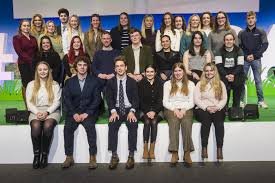
The Oxford Farming Conference Scholars Programme 2027 is inviting applications from young people under the age of 30 who want to develop their professional skills, expand their networks and engage with emerging ideas across agriculture, food, business, science, technology and related sectors. The 2027 programme marks 25 years since the Oxford Farming Conference Scholars Programme was established. For this edition, the Oxford Farming Conference is working with Severn Trent Water and M&S to deliver a hybrid programme combining in person gatherings, bespoke online sessions and participation in the Oxford Farming Conference from 6 to 8 January 2027. The programme is designed to support the next generation of leaders by giving young people opportunities for peer networking, skills development, professional exposure and participation in discussions about the future of food and farming. About the Oxford Farming Conference Scholars Programme The Oxford Farming Conference Scholars Programme provides young people with a structured professional development experience connected to one of the UK’s leading agricultural conferences. The 2027 programme will combine: • Peer to peer networking • Skills development training • Bespoke online sessions • In person professional development events • Exposure to different parts of the food and farming system • Participation in the Oxford Farming Conference • Opportunities to engage with professionals and emerging leaders The programme welcomes participants from agriculture and related sectors, including those who have never studied an agri food subject. The two in person Scholar events will take place in London on 12 November 2026 and at Harper Adams in Shropshire on 25 November 2026. Online webinars will take place between 12 November and 12 December 2026. The main conference will take place in Oxford from 6 to 8 January 2027. The conference theme for 2027 is “Harmony”, with sessions covering politics and business, trade and policy, environment and science, social issues and people, water, farming and the future of agriculture. Programme Benefits Successful Scholars can benefit from: • Full participation in the Oxford Farming Conference 2027 • Two nights of accommodation • Meals included within the conference programme • Chair’s Welcome Reception • Oxford Union Debate • Christ Church dinner • Two dedicated in person Scholar events • Bespoke online sessions • Peer networking • Skills development opportunities • Exposure to agriculture and food sector professionals • Opportunities to develop leadership and professional relationships For the standard Scholars Programme, the Scholar place costs £1,000 excluding VAT and is paid by the sponsoring organisation, group or sponsor. Travel costs are not included and sponsors are expected to make separate arrangements for travel expenses. Eligibility Criteria For the general Scholars Programme: • Applicants must be under 30 years old • Applicants must not have previously attended the Oxford Farming Conference • Applicants can come from agriculture or other sectors • Applicants can have academic backgrounds outside agriculture and agri food subjects • Applicants should be available for the required programme activities • A sponsor, organisation or group must nominate the Scholar for the standard programme • The nominated Scholar should demonstrate potential benefit from participating in the programme For Breaking Barriers: • Applicants must be aged 18 to 30 • Applicants must be resident in the UK • Applicants must be able to attend the full two day conference in Oxford in January 2027 • Applicants must be able to attend the full Scholar Programme • Applicants should have an interest in food, farming or agriculture • Applicants should have faced significant and identifiable barriers to accessing the sector The Breaking Barriers route accepts applications directly from individuals rather than requiring an organisation to nominate them. Programme Schedule The key dates for the 2027 programme include: • Applications opened on 17 September 2026 • Applications close on 16 October 2026 at 5pm • Shortlisting takes place during the week commencing 19 October 2026 • Candidates are expected to be notified during the week commencing 26 October 2026 • Supply Chain Day takes place in London on 12 November 2026 • Breaking Barriers additional gathering takes place on 24 November 2026 • Primary Production Day takes place at Harper Adams in Shropshire on 25 November 2026 • Online webinars take place between 12 November and 12 December 2026 • Oxford Farming Conference takes place from 6 to 8 January 2027 Required Application Information For the standard Scholars Programme, the application form requires information about both the nominating organisation and the proposed Scholar. Applicants and sponsors should be prepared to provide: • Name and contact details of the nominating organisation or group • Name and contact details of the proposed Scholar • Scholar date of birth • Scholar location and UK residency information • Previous attendance information • Scholar LinkedIn or Instagram information where available • Confirmation of availability for the two Scholar events • Current role, occupation or studies • Explanation of what the Scholar hopes to gain from the programme • Reasons for nominating the Scholar • Information about the value of the Oxford Farming Conference to the nominating organisation • Confirmation that the sponsor understands the £1,000 plus VAT programme cost if selected The official application form indicates that several of the written responses have a maximum length of 150 words. Selection Process Applications for the standard programme are reviewed by the Oxford Farming Conference Directors. The programme will select 22 Scholars through the sponsor led application route. A further eight places are available through the Breaking Barriers scholarship. The application process considers who the proposed Scholar is, their background, their potential benefit from participating and the reasons they have been nominated. How to Apply Review the official Oxford Farming Conference Scholars Programme information. Determine whether you are applying through the standard Scholars Programme or the Breaking Barriers route. For the standard programme, identify a sponsor, organisation or group that can nominate you. Prepare information about your background, current role or studies and professional development goals. Explain why you would benefit from participating in the Scholars Programme. Ensure that you can attend the required in person activities

Global Leadership Challenge 2026: Fully Funded Global Leadership Programme for Young Leaders
The Global Leadership Challenge 2026 is inviting applications from young leaders, postgraduate students and young professionals from around the world to join a global community focused on responsible leadership and practical responses to complex global challenges. The programme will bring together 100 emerging leaders for an intensive virtual experience designed to strengthen leadership skills, character and the ability to create meaningful social impact. The Global Leadership Challenge is a joint initiative of the University of Oxford and the St. Gallen Symposium. It aims to help emerging leaders develop the wisdom, character and practical capabilities required to lead responsibly and contribute to the common good. Participants will engage with academics, senior business and policy leaders, experienced advisors and peers from different countries and professional backgrounds. The 2026 programme will take place virtually from December 10 to 14, 2026. Applications opened on September 29, 2026 and will close on November 5, 2026. Applications are reviewed on a rolling basis, so interested candidates are encouraged to apply early. About the Global Leadership Challenge The Global Leadership Challenge is designed to connect promising young leaders across countries, disciplines and sectors. Rather than focusing only on personal achievement, the programme encourages participants to consider how their values, professional ambitions and leadership abilities can contribute to sustainable development and the wider good. The 2026 cohort will consist of 100 young leaders. Participants will work with challenge partners on practical issues and develop impact projects during the programme. The official GLC describes the experience as a fully virtual five day challenge combining character education, cross generational dialogue and practical action. The 2026 challenges include a Swiss Re challenge examining how organisations can prepare their workforce for a future shaped by technology, changing expectations and risk. Participants will consider how human expertise, critical thinking and artificial intelligence can work together to strengthen decision making and future capabilities. Another challenge is connected to the Schwarzman Scholars Program and focuses on how leadership education and curricula can evolve to prepare future leaders to navigate uncertainty. An additional challenge partner is expected to be announced by the organisers. Programme Benefits • Join a global community of 100 young responsible leaders • Engage with academics and senior business and policy leaders • Develop practical action projects addressing global challenges • Learn responsible leadership principles and design thinking • Participate in cross generational dialogues and collaborative workshops • Receive leadership training and mentorship from the Oxford Character Project • Build international professional and leadership networks • Receive an official Certificate of Achievement from the University of Oxford and the St. Gallen Symposium • Access opportunities for further mentorship and leadership development after the programme • Compete for the opportunity to attend the 56th St. Gallen Symposium as a Leader of Tomorrow • Top performing teams may receive an all expenses covered opportunity to attend the 56th St. Gallen Symposium in Switzerland in 2027 Eligibility Criteria The Global Leadership Challenge 2026 welcomes applicants from around the world and from all academic disciplines. Applicants must: • Be currently enrolled in a Master’s or PhD programme, or be a young professional aged between 21 and 30 years • Have completed undergraduate studies • Demonstrate a commitment to responsible leadership through extracurricular activities and or professional experience • Be available to participate for approximately five half days from December 10 to 14, 2026 • Be able to actively participate in all required GLC sessions • Be willing to collaborate with participants from different countries, disciplines and backgrounds • Have an interest in addressing complex global challenges and creating positive social impact Active participation in all required sessions is necessary for participants to receive the Certificate of Achievement. Required Application Materials Applicants should prepare the following information and materials: • Personal contact information • Full address and email address • Date of birth • Time zone for participation • LinkedIn profile link • Information about current university or employer • Degree programme for students or job title for young professionals • CV in PDF format • Recent portrait photograph in JPEG or PNG format • Proof of enrolment in PDF format for applicants currently studying • Response suggesting a keynote speaker who could inspire global leaders to practise responsible leadership • Maximum 40 second video in English • A short example explaining how the applicant has personally demonstrated responsible leadership The official application form also asks applicants whether they have participated in a previous GLC and whether they are a Schwarzman Scholar. Application Video Requirements One of the distinctive parts of the application is the short video challenge. Applicants must record a maximum 40 second video in English that is compelling, authentic and inspiring. The video should encourage global leaders to embrace responsible leadership in their everyday decisions and demonstrate how the applicant personally embodies responsible leadership. The video may be uploaded through Google Drive, OneDrive, an unlisted YouTube video, iCloud, SwissTransfer or Dropbox. Applicants must ensure that anyone with the link can view the video without requiring a login, password or organisational account. The application also asks applicants to provide a concise example of what they have personally done to support responsible leadership. Selection and Participation The GLC will select 100 young leaders through an open application process. The organisers are looking for a diverse group of postgraduate students and young professionals who demonstrate leadership potential, responsible values and an interest in addressing complex global challenges. During the programme, participants will work in teams to develop action projects connected to the challenges established by programme partners. The strongest project ideas will have the opportunity to receive further recognition and compete for participation in the St. Gallen Symposium. The official GLC states that the three groups with the most outstanding project ideas can receive an all expenses covered invitation to the St. Gallen Symposium as Leaders of Tomorrow. How to Apply Review the eligibility requirements and confirm that you can participate throughout the five day virtual programme. Prepare your CV, recent portrait photograph and proof of enrolment
AIxBio Fellowship 2027 at Cambridge
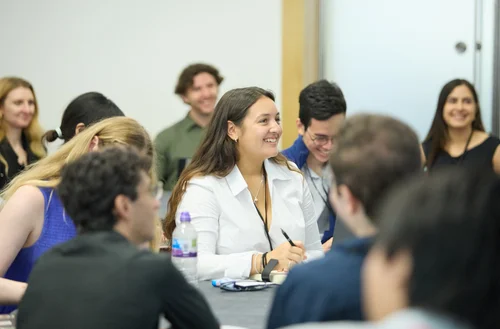
Applications are open for the AIxBio Fellowship 2027, a 10 week fully funded programme in Cambridge, United Kingdom, for researchers, entrepreneurs, engineers, policy professionals and other individuals working on important problems at the intersection of advanced artificial intelligence and biosecurity. The fellowship is designed for people who are motivated to take ownership of concrete problems that could help reduce catastrophic biological risks. The programme will run from January 18 to March 26, 2027, and fellows will participate full time and in person from Cambridge. The Winter 2027 cohort is expected to include approximately 10 to 15 fellows across three tracks: Research, Placement and Founding. Participants will receive dedicated research support, expert mentorship, practical resources and access to a community working across AI, biosecurity, policy and related fields. The AIxBio Fellowship is run by ERA in partnership with the Cambridge Biosecurity Hub. Its mission is to accelerate scientific, technical and policy work that can strengthen society’s resilience to biological threats, including risks that may be amplified by increasingly capable AI and biotechnology. Fellows may work on questions involving biological AI safeguards, evaluation methods, synthesis screening, governance, biosecurity policy, technical tools or new organisational approaches. About the Fellowship The AIxBio Fellowship provides a focused period for fellows to investigate a concrete biosecurity problem with support from experienced researchers and practitioners. Each fellow is matched with an expert mentor and supported by an ERA Research Manager who can assist with project scope, milestones, research strategy and execution. The programme also provides workshops, talks, networking opportunities and access to the wider Cambridge research community. Fellows work from a dedicated coworking space in central Cambridge and collaborate with others working on AI safety, biosecurity and related areas. At the end of the programme, fellows are expected to present their research at the AIxBio Research Symposium and produce a written output suited to their project, such as a policy brief, working paper or technical report. Particularly promising projects and fellows may have an opportunity to continue through ERA’s Research Scholar programme for up to six additional months. Fellowship Benefits • £10,000 stipend for the 10 week programme • Travel costs to and from Cambridge covered • Visa sponsorship and support for eligible international participants • Meals during working hours • Dedicated workspace in central Cambridge • Research expense allowance • Access to computing resources where required • Expert mentor matched to the project • Dedicated ERA Research Manager • Research and professional development workshops • Access to researchers and practitioners across AI and biosecurity • Community and wellbeing support • Networking opportunities and fellowship events • Opportunity to present research at the AIxBio Research Symposium • Potential continuation through the Research Scholar programme • Access to an alumni network after the fellowship Fellowship Tracks Research The Research track is designed for applicants who want to investigate an open biosecurity question and produce evidence, methods or tools that could influence research or policy decisions. Possible projects may involve evaluating safeguards, studying biological AI risks or developing policy analysis. Placement The Placement track allows fellows to work within a biosecurity team and take responsibility for a defined workstream. Projects may involve research, engineering, policy or implementation and are developed around the priorities of the host organisation. Founding The Founding track is intended for people who identify neglected biosecurity problems that may require a new organisation, programme or initiative. Fellows can use the programme to test an idea, understand potential users, investigate technical assumptions and explore whether a dedicated organisation could address the problem. Areas of Interest The fellowship welcomes people whose expertise can contribute to reducing catastrophic biological risks. Relevant backgrounds may include: • Artificial intelligence and machine learning • Software engineering • Computational biology • Virology • Molecular biology • Microbiology • Biochemistry • Biophysics • Biosecurity research • Policy and governance • Security • Law • Science and technology policy • Technical research • Entrepreneurship and organisation building The listed areas are illustrative rather than restrictive. Applicants from other backgrounds are encouraged to apply if they can contribute meaningfully to the fellowship’s biosecurity mission. Eligibility Criteria • Must be at least 18 years old by January 18, 2027 • Applicants from all nationalities are welcome • Applicants can come from a wide range of academic, professional and technical backgrounds • Graduate students, early career researchers, experienced researchers, engineers, policy professionals and founders can apply • Prior formal research experience is helpful but not required • Applicants should demonstrate strong critical thinking and ability to work through complex problems • Applicants should have a genuine interest in reducing catastrophic biological risks • Applicants must be able to participate in the 10 week programme • The programme is primarily designed for full time, in person participation in Cambridge • International applicants may receive visa support where applicable Selection Criteria The AIxBio Fellowship uses a holistic selection process and places greater emphasis on reasoning and problem solving than on formal credentials alone. Applicants are expected to demonstrate: • Strong reasoning and analytical ability • Intellectual curiosity • Ability to think through uncertain and complex problems • Clear understanding of the problem they want to work on • Potential to make meaningful contributions to AI and biosecurity • Ability to learn quickly • Willingness to acknowledge uncertainty and limitations in their knowledge • Alignment with the fellowship mission The programme particularly values reasoning transparency and epistemic humility because AI and biosecurity is a developing field with significant uncertainty. Required Application Information The first stage involves an online application containing personal and essay questions. Applicants should be prepared to provide information about: • Personal and professional background • Problems and questions they are interested in • Their thinking about issues at the intersection of AI and biosecurity • Relevant experience, skills or projects • Their motivation for participating in the fellowship The application is designed to assess how applicants reason about important problems rather than simply how polished their writing is. References are also contacted during the selection process. Application
NetHope Humanitarian AI Research Fellowship 2026/2027
Applications are open for the NetHope Humanitarian AI Research Fellowship 2026/2027, a new short term research opportunity designed for experienced practitioners and researchers interested in the responsible use of artificial intelligence in humanitarian and development work. The fellowship is being piloted by NetHope to expand the pool of professionals who can examine how AI is adopted, governed, evaluated and localized for use in real world humanitarian settings. The fellowship is part time, fully remote and open internationally. It is intended for mid career to seasoned practitioners who can bring strong analytical and writing skills, independent thinking and practical experience to research projects with direct relevance to humanitarian organizations and the wider nonprofit sector. Selected fellows will work independently within one of two research streams. The first focuses on AI adoption and governance, while the second focuses on AI systems and localization. Fellows will receive guidance from NetHope’s AI Fellowship Lead and periodic support from subject matter experts while developing research that can provide practical value to NetHope Member organizations and other nonprofit organizations. About the Fellowship NetHope brings together humanitarian, development and conservation organizations to use technology more effectively in addressing global challenges. Its network includes more than 60 Member organizations working across more than 190 countries, alongside partnerships with technology companies and other stakeholders. The organization works to strengthen digital capabilities and encourage responsible technology adoption across the nonprofit sector. The Humanitarian AI Research Fellowship responds to the growing need for evidence based approaches to artificial intelligence in humanitarian and development environments. Rather than focusing only on theoretical questions, the fellowship seeks practical research that can help organizations understand opportunities, limitations, risks and responsible approaches to AI. Fellows will be expected to conduct independent research while following NetHope’s AI policy, data protection requirements and research ethics standards. Research involving NetHope Members or partners requires appropriate consent, while findings will be reviewed by NetHope before publication. The fellowship provides an opportunity to contribute to emerging discussions around responsible AI while producing research that can inform humanitarian organizations, technology practitioners and nonprofit leaders. Fellowship Benefits • Stipend in recognition of fellows’ time and contributions • Guidance from the NetHope AI Fellowship Lead • Periodic engagement with NetHope subject matter experts • Opportunity to conduct practical research with humanitarian relevance • Named author credit on research produced through the fellowship • International and fully remote participation • Opportunity to contribute to research that can inform nonprofit organizations • Experience examining responsible AI adoption, governance, evaluation and localization • Professional exposure to emerging humanitarian AI practices Research Streams Stream 1: AI Adoption and Governance This stream examines how humanitarian and nonprofit organizations are adopting, governing and managing risks associated with AI tools. Potential research areas include: • Documenting real world experiences and lessons from organizations integrating AI • Examining how individual implementing partners approach AI adoption • Comparing direct vendor partnerships, open source systems, in house solutions and commercial tools • Identifying factors influencing organizational AI adoption decisions • Identifying important AI safety and governance risks • Examining approaches to risk identification, mitigation and incident response Stream 2: AI Systems and Localization This stream focuses on the technical application of AI in humanitarian environments, particularly settings where localized, offline or low connectivity solutions are important. Potential research areas include: • Evaluating open source and open weight AI models • Assessing localized and fine tuned models for humanitarian use • Comparing open systems with closed proprietary systems • Identifying practical AI applications for resource constrained settings • Examining readiness gaps for AI deployment in low connectivity environments • Developing simple and user friendly tools for specific humanitarian needs • Contributing to supervised fine tuning prompts and datasets for humanitarian contexts Eligibility Criteria • Applicants should be mid career to seasoned practitioners • Applicants should have strong writing and analytical skills • Applicants should demonstrate genuine interest in responsible AI and humanitarian impact • Stream 1 applicants should have a background in policy, programme evaluation, humanitarian systems or international development systems • Experience with technology adoption or organizational change is an advantage for Stream 1 • Stream 2 applicants should have a background in computer science, machine learning or applied data science • Stream 2 applicants should have knowledge of or interest in the humanitarian sector • Experience with model evaluation or red teaming is an advantage for Stream 2 • Applicants should have strong written communication skills • Applicants should be self directed • Applicants should be able to sustain an independent research project within a fixed timeline • Applicants should be able to commit approximately 10 hours per week from mid November 2026 through February 2027 • The opportunity is open internationally • Selected fellows must pass an OFAC screening before starting Required Application Materials • Curriculum vitae • Letter of interest • Two to three professional references • Optional writing sample The letter of interest should address the applicant’s motivation, relevant experience and interest in humanitarian and nonprofit work. Applicants should also identify one major concern or risk associated with AI in the humanitarian sector, explain why it matters and briefly propose a possible mitigation approach. Selection Criteria Applications are expected to be assessed based on the applicant’s relevant experience, analytical ability, writing skills, understanding of humanitarian or nonprofit contexts and interest in responsible artificial intelligence. The fellowship particularly suits professionals who can independently develop practical research questions and carry a project through within a defined period. Technical expertise is important for the AI Systems and Localization stream, while policy, programme evaluation and humanitarian systems experience is particularly relevant to the AI Adoption and Governance stream. How to Apply Review the fellowship requirements and decide which research stream best matches your experience. Prepare an updated curriculum vitae highlighting relevant professional, research, technical or humanitarian experience. Write a letter of interest addressing all three questions requested by NetHope. Prepare contact details for two to three professional references. Include an optional writing sample if it strengthens your application. Ensure that your application does
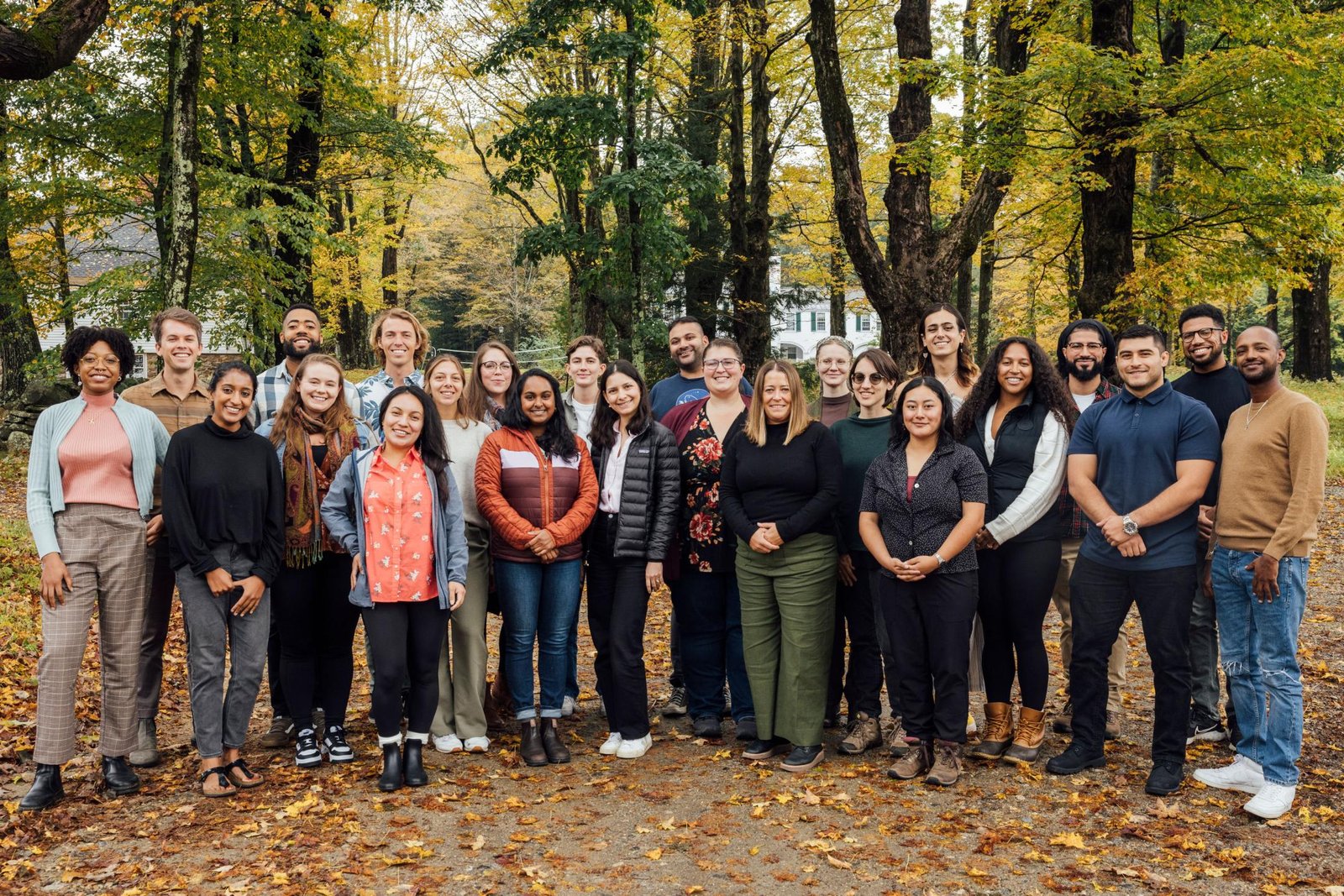
Switzer Fellowships 2027 for Graduate Students in the U.S.
Applications are open for the Switzer Fellowships 2027, a one year fellowship for graduate students in the United States and U.S. territories whose academic and career goals focus on environmental improvement. The fellowship is offered by the Robert and Patricia Switzer Foundation and supports emerging and established environmental leaders working across science, policy, justice, health, economics, advocacy, planning, business, law and other fields. The Switzer Fellowship brings together graduate students from diverse academic, professional and personal backgrounds who are committed to addressing environmental challenges while advancing social equity. Fellows are expected to demonstrate leadership potential, practical problem solving skills and a clear vision for how their education and experience can contribute to positive environmental and social change. The fellowship is open to students enrolled at accredited graduate institutions across the United States and U.S. territories. The programme is no longer limited to students studying in New England or California. International students without eligible United States immigration status are not eligible. About the Fellowship The Switzer Fellowship is designed for graduate students who want to become influential leaders in environmental improvement. The foundation supports applicants from a wide range of disciplines rather than requiring a specific academic field. Successful applicants demonstrate a strong commitment to environmental problem solving and can explain how their work affects people and communities. The foundation places particular importance on social equity and encourages applicants to consider how environmental challenges intersect with communities that have historically been marginalized or underrepresented. The fellowship supports both emerging and established leaders. Mid career students are also encouraged to apply when they can demonstrate how their graduate education will strengthen their ability to influence environmental issues and outcomes. Approximately 20 fellows are selected each year from hundreds of applicants. Applications are reviewed through several stages involving Switzer Fellowship alumni, followed by virtual interviews for selected candidates. Fellowship Benefits • $18,000 unrestricted cash award paid in two installments • Two multi day in person retreats during the fellowship year • Equity centered leadership training and skills development • Cohort building and professional networking • Access to the Switzer Network of more than 800 fellows • Career coaching and leadership guidance • Professional development opportunities • Access to future leadership and professional development grants • Opportunities to participate in networking events, webinars and trainings • Long term professional and personal support through the Switzer Network The fellowship award may be used for tuition, university fees, living expenses, education related costs or research related expenses. Depending on how the funds are used, part or all of the award may be considered taxable income. Eligibility Criteria • Be a U.S. citizen, permanent resident, DACA recipient, refugee or asylee under applicable United States definitions • Be enrolled in an accredited graduate institution in the United States or U.S. territories • Not be enrolled in an online graduate programme • Plan to remain enrolled throughout the entire 2027 to 2028 academic year • Have strong academic qualifications • Have academic and career goals focused on environmental improvement • Master’s degree candidates, including J.D. students, must have completed at least one semester or quarter of coursework by the end of 2026 • Master’s students must be pursuing the degree as their terminal degree • Ph.D. candidates must have completed their qualifying examinations by the time of application • Students in one year Master’s programmes may apply before enrollment if formally accepted into the programme • Mid career applicants must demonstrate how their graduate education will enhance their effectiveness as environmental leaders • Demonstrate commitment to environmental improvement and social equity Selection Criteria Applications are assessed according to several qualities that reflect the foundation’s vision for environmental leadership. • Environmental commitment • Applied focus • Innovative problem solving • Leadership potential • Collaboration and engagement • Social equity awareness and experience • Communication skills Required Application Materials • Online application form • Three short answer responses, with each response limited to 1,000 characters • Two professional letters of recommendation • Highlights from the applicant’s resume, including five important and relevant academic, work, volunteer or award experiences • Most recent graduate academic transcript The short answer questions ask applicants to explain why the environmental challenges they address are personally important, what practical solutions they hope to contribute and how their experiences demonstrate leadership and commitment to environmental and social change. Recommendation letters should provide specific examples of the applicant’s leadership, professional potential, abilities and commitment. One recommender may be an academic advisor, committee member or academic colleague, particularly for Ph.D. applicants. The second recommender may come from professional, community or volunteer experience. Applicants are responsible for ensuring that both recommendation letters are submitted by the deadline. How to Apply Review the Switzer Fellowship eligibility requirements and application guidelines carefully. Confirm that your graduate programme, enrollment status and immigration status meet the fellowship requirements. Prepare your three short answer responses and make sure each response stays within the required character limit. Select two recommenders who can provide specific evidence of your leadership, professional experience and commitment to environmental improvement. Prepare your resume highlights and most recent graduate academic transcript. Complete the online Switzer Fellowship application form. Ensure that both recommendation letters and all required application materials are submitted before the deadline. Submit the completed application by December 14, 2026 at 11:59 PM Pacific Standard Time.
Alfred Friendly Press Partners Fellowship 2027
Applications are open for the Alfred Friendly Press Partners Fellowship 2027, a four week in person professional development programme designed specifically for foreign journalists who are currently living in exile in the United States. The fellowship supports journalists who have faced serious professional and personal challenges while continuing their commitment to journalism. The programme is offered by Alfred Friendly Press Partners in partnership with the Missouri School of Journalism. Alfred Friendly Press Partners has supported international journalists since 1984 and reports having trained more than 350 journalists from countries around the world. Its programmes are designed to strengthen journalism, build professional resilience and help journalists continue contributing to informed communities. The 2027 fellowship represents the fourth year of the organisation’s journalists in exile programme. It is particularly focused on journalists who have experienced significant hardship and disruption to their careers because of their circumstances. The programme aims to help these professionals strengthen their skills, rebuild confidence and remain competitive within the changing international media environment. About the Fellowship The Alfred Friendly Press Partners Fellowship is an intensive professional programme for journalists who have been forced into exile but remain committed to practising journalism. The programme is delivered in person and is intended to provide participants with practical knowledge and professional support that can help them continue their careers. Training focuses on areas that are especially relevant to journalists working under difficult circumstances, including personal and professional security, legal considerations, journalism practice and entrepreneurship. A major element of the fellowship is community building. Participants come together with other journalists who have experienced similar challenges, creating an environment where they can exchange experiences, develop professional relationships and support one another. The programme also recognises that exile can affect journalists beyond their professional lives. Psychosocial aspects of exile are therefore incorporated into discussions throughout the fellowship. Alfred Friendly Press Partners describes its wider mission as lifting up journalism and helping international journalists who have faced danger or difficult working conditions become journalists in demand. Fellowship Benefits • Four week in person professional development programme • Housing covered during the fellowship • Food expenses covered • Transportation expenses covered • Living stipend of $2,000 per fellow • Training in journalism and professional resilience • Training related to security and legal issues • Entrepreneurship development • Peer community with journalists facing similar challenges • Professional networking opportunities • Support for journalists continuing their careers while living in exile Programme Areas The 2027 fellowship focuses on four principal professional areas: • Security • Legal issues • Journalism • Entrepreneurship Eligibility Criteria • Applicants must be foreign journalists • Applicants must currently be living in exile in the United States • Applicants must demonstrate English proficiency • Applicants should have a continued commitment to journalism • Applicants should be prepared to participate in the four week in person programme Required Application Information Applicants should be prepared to provide information through the official online application, including relevant information about their journalism background and professional circumstances. • Personal and professional information requested in the online application • Details about journalism experience • Information about professional achievements • Information explaining relevant circumstances connected to exile where appropriate • Responses to the programme application questions Applicants who cannot answer particular questions because of their circumstances are encouraged to explain briefly why they are unable to provide the requested information rather than allowing this to discourage them from applying. Selection Considerations The fellowship is intended for journalists who have experienced significant challenges while continuing to pursue journalism. A strong application should therefore clearly communicate the applicant’s professional background, journalism experience and commitment to continuing their work. Applicants should also demonstrate why the fellowship would be relevant to their professional development and how the programme could help them strengthen their skills, resilience and future opportunities. Because the programme is specifically designed for journalists living in exile, applicants should provide appropriate context about their circumstances where it is safe and possible to do so. How to Apply Review the Alfred Friendly Press Partners Fellowship 2027 eligibility requirements and programme information. Confirm that you are a foreign journalist currently living in exile in the United States and that you have sufficient English proficiency. Prepare the information required for the online application, including details about your journalism experience and professional background. Complete the official online application form carefully and provide clear responses to the application questions. If you cannot provide particular information because of circumstances related to exile, briefly explain the reason rather than leaving the programme because of the difficulty. Review your application for accuracy and completeness before submitting it. Submit the application before the December 15, 2026 deadline.
HP UCL IOE Fellowship in AI in Education 2027
Applications are open for the HP UCL IOE Fellowship in AI in Education 2027, a global executive leadership programme designed for senior education policymakers and organisational leaders who are shaping the future of education in an era of rapid artificial intelligence transformation. Delivered by the UCL Institute of Education and HP and housed within the UCL Knowledge Lab, the fellowship equips experienced leaders with the knowledge, governance capabilities and strategic leadership skills needed to guide responsible, equitable and learning centred use of AI in education. The programme brings together expertise from artificial intelligence, learning sciences, ethics, policy and human computer interaction. The fellowship is designed to help leaders move beyond the hype surrounding AI and make informed decisions about how artificial intelligence can affect teaching, learning, institutional governance, inclusion and public education systems. Fellows engage with international experts, researchers and peers while examining real challenges from their own professional contexts. About the Fellowship The HP UCL IOE Fellowship in AI in Education responds to the growing need for education leaders who can evaluate AI technologies critically and develop strategies that protect learning quality, inclusion, equity and institutional trust. Participants will explore how different forms of AI are influencing education and public institutions. They will examine practical issues including responsible AI, governance, procurement, evidence, implementation, scaling, learner inclusion and teacher agency. A major feature of the programme is the opportunity to apply learning directly to a real challenge within the fellow’s organisation or education system. Each participant develops a capstone or leadership project with guidance from mentors and facilitators throughout the programme. The fellowship combines expert led teaching, collaborative discussions, applied activities, leadership clinics, peer learning and strategic reflection. It is intended for experienced leaders who have the authority or influence to contribute to AI transformation within education systems and organisations. Fellowship Benefits • Programme costs are fully covered upon acceptance, excluding airfare and visa expenses • Access to UCL Institute of Education expertise in AI and education • Learning from academics and experts working across AI, education, policy, ethics and learning sciences • Nine months of facilitated mentoring for a practical capstone project • Opportunity to develop an AI strategy or implementation project connected to the participant’s professional context • International peer learning with senior leaders from different professional and geographical backgrounds • Leadership clinics and strategic reflection activities • Exposure to global policy frameworks, case studies and emerging evidence on AI in education • Membership of a global network of fellowship alumni Programme Areas The fellowship covers a broad range of topics connected to responsible AI transformation in education. AI in Education Systems Participants examine global AI trends, governance challenges and the implications of artificial intelligence at education system level. AI, Learning and Human AI Interaction The programme introduces foundational concepts in AI, learning sciences and human centred approaches to technology design. Ethics and Responsible AI Fellows explore fairness, accountability, responsible use and ethical approaches to AI implementation. Governance, Policy and Procurement Participants develop a stronger understanding of AI governance frameworks, policy development and procurement decisions. Learners, Inclusion and Equitable Design The programme examines learner agency, wellbeing, inclusion and approaches to ensuring that AI enabled education benefits diverse communities. Teachers and Professional Agency Fellows consider how AI interacts with teacher expertise, professional judgement and decision making. Evidence, Implementation and Scaling Participants learn to assess evidence surrounding AI initiatives and consider how effective approaches can be implemented and scaled. Leadership and Capstone Development Leadership clinics help fellows identify strategic challenges and develop practical projects that respond to their organisational or policy environments. Programme Structure The fellowship begins with three months of weekly live online sessions supported by independent study and coaching. The first phase covers the foundations, opportunities and challenges of AI in education. The programme then includes a one week residential experience in London, providing an opportunity for intensive collaboration, innovation and policy discussion. Following the residential component, fellows spend nine months developing a capstone project with mentorship, peer learning and strategic feedback. The project is intended to address a genuine policy, leadership or implementation challenge connected to the fellow’s work. The programme is expected to require full commitment from participants across all components. Eligibility Criteria The fellowship is particularly suited to experienced leaders working in education, government, public institutions and related organisations. Applicants may include: • Senior education policymakers working in ministries, government departments or national agencies • Regulators and inspectorate leaders responsible for education quality, assessment or data • Senior executives and leaders of international education technology companies • Senior officials working for international organisations on education and AI policy • Regional and local education leaders, including Directors of Education and Children’s Services • Leaders of school systems, including multi academy trust and school group chief executives and directors • Leaders of education non profits, foundations and professional bodies • Leaders of teacher and school leader unions The programme is designed for applicants whose roles are relevant to AI and education transformation and who can demonstrate meaningful leadership experience or potential. The current cohort scope covers Europe, Asia and Africa. UCL notes that future cohorts may have different geographical scopes. Applicants should also demonstrate: • Capacity to participate fully in the fellowship • Commitment to responsible, equitable and human centred approaches to AI • A clear and relevant project idea • Interest in international collaboration and peer learning • Professional experience that enables them to influence AI transformation in their organisation or education system Required Application Materials Applicants are asked to submit a personal statement of up to four pages. The statement should include: • Professional background and current role • Current professional responsibilities • Leadership experience and areas of influence • Organisation, institution or education system context • Relevant experience in digital transformation, AI, education, innovation or policy • Motivation for joining the fellowship • Alignment between the fellowship and future professional goals • Perspectives, expertise or experience the applicant would contribute to the fellowship community • Demonstrated capacity and commitment to participate throughout the