
Applications are open for the DAAD EPOS Scholarship 2027/2028 for the Master of Science in Environmental Governance at the University of Freiburg in Germany. The scholarship is offered through the German Academic Exchange Service under its Development Related Postgraduate Courses programme, which supports qualified professionals from eligible developing countries to pursue postgraduate studies in Germany. The University of Freiburg’s MSc Environmental Governance is a two year, English taught master’s programme that examines environmental challenges from interdisciplinary perspectives. The programme combines environmental policy, governance, sustainability, social science and practical approaches to understanding and addressing complex environmental problems. The scholarship is intended for young professionals from eligible developing countries who have strong academic records, relevant professional experience and a clear motivation to contribute to sustainable development. Applicants are expected to demonstrate how their studies and professional experience relate to development challenges and how they intend to apply their knowledge after completing the programme. About the Scholarship The DAAD EPOS programme supports postgraduate education for professionals from developing and emerging countries. Its objective is to strengthen the knowledge and skills of specialists who can contribute to economic, social and environmental development in their home countries. For the Freiburg programme, candidates are initially assessed by the MSc Environmental Governance programme committee. Shortlisted candidates then undergo further assessment by DAAD before scholarship recipients are selected. The MSc Environmental Governance programme is conducted in English and lasts four semesters, with a total of 120 ECTS credits. DAAD EPOS scholarship recipients are exempt from the study fees charged to non European Union students. Scholarship Benefits • Monthly scholarship payment of €992 for graduate students • Health, accident and personal liability insurance coverage • Travel allowance, unless travel costs are covered by another source • Possible monthly rent subsidy • Possible allowance for accompanying family members • Full exemption from the €1,500 per semester study fee charged to non European Union students in the MSc Environmental Governance programme • Opportunity to study at the University of Freiburg in Germany • Two year interdisciplinary master’s education in environmental governance • International academic and professional learning environment • Advanced preparation for careers in sustainability, environmental policy, governance, research and development Programme Areas The MSc Environmental Governance programme provides interdisciplinary preparation in areas connected to environmental and sustainability challenges. The programme is particularly relevant to applicants interested in: • Environmental governance • Sustainable development • Environmental policy • Natural resource management • Climate and environmental challenges • Sustainability transitions • Governance and institutional systems • Environmental management • Development related environmental issues Eligibility Criteria Applicants should meet the following requirements: • Be a citizen of an eligible developing country included in the DAAD DAC country list • Hold an academic degree that is not more than six years old at the time of application • Have at least two years of relevant professional experience after completing the first degree • Have an above average academic record, normally within the upper third of the graduating class • Demonstrate professional experience that is relevant to the MSc Environmental Governance programme • Have resided in Germany for no more than 15 months before the application deadline • Demonstrate sufficient English language proficiency • Meet the admission requirements of the MSc Environmental Governance programme • Demonstrate a clear development related motivation and commitment to contributing to positive change Required Application Materials Applicants are required to prepare the following documents: • DAAD application form • MSc Environmental Governance application form • Motivation letter of no more than two pages • Europass CV with no unexplained gaps • Bachelor’s transcript of records • Relevant master’s transcript if applicable • University degree certificate • Evidence of at least two years of relevant professional experience • Two recommendation letters, including one from the current employer and one from an academic teacher or supervisor • English language certificate • Signed DAAD checklist • APS certificate for applicants from China, India and Vietnam where applicable. Selection Criteria Selection is highly competitive. Applications are assessed based on academic performance, professional experience, relevance to environmental governance, motivation and the potential contribution of the applicant to development related change. The programme also considers the quality and relevance of the applicant’s professional background and their ability to successfully complete the master’s programme. Candidates shortlisted after the initial assessment may be invited for an interview. Final scholarship selection is completed after the interview stage. How to Apply Review the DAAD EPOS requirements and the admission requirements for the MSc Environmental Governance programme. Confirm that your country is included among the eligible DAAD developing countries. Complete the online eligibility assessment required by the University of Freiburg. Prepare the DAAD application form and MSc Environmental Governance application form. Prepare your motivation letter, Europass CV, academic records and degree certificates. Obtain official evidence showing at least two years of relevant professional experience. Arrange for your two referees to prepare and send their recommendation letters directly to the University of Freiburg. Obtain the required English language certificate or confirm whether you qualify for an exemption. Complete and sign the DAAD checklist. Merge the required documents into one PDF file according to the University of Freiburg instructions. Submit the complete application through the University of Freiburg application process. Ensure that all required materials and referee letters are received by October 15, 2026.
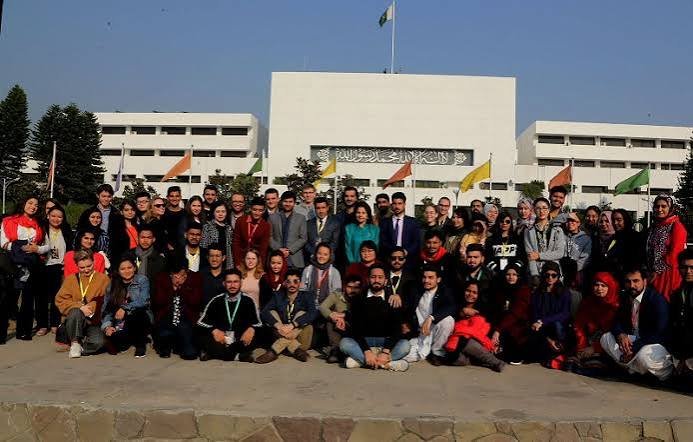
4th International Youth Summit Pakistan 2026
Applications are open for the 4th International Youth Summit Pakistan 2026, an international youth diplomacy and leadership platform bringing together young leaders, activists, entrepreneurs, academics, and changemakers from around the world. The summit will take place from November 27 to December 4, 2026, in Lahore, Pakistan, under the theme “Shaping Tomorrow: Youth, Strategy & the New World Order.” The International Youth Summit Pakistan, formerly known as IYSL, was established in 2017 and has previously welcomed more than 300 delegates from over 60 countries across its first three editions. The 2026 edition is being organised by the Centre for Regional Strategy & Global Affairs at the University of Lahore and represents a renewed focus on strategic dialogue, youth leadership, international cooperation, and policy engagement. The summit is designed for young people interested in global affairs, leadership, diplomacy, governance, emerging technologies, regional development, security, and international cooperation. Participants will have opportunities to exchange ideas with peers from different countries, interact with experts and practitioners, participate in workshops, and contribute to a formal youth policy document. About the Opportunity The 4th International Youth Summit Pakistan is being positioned as a strategic youth diplomacy forum rather than only a conventional conference. The programme provides a space for young leaders to discuss international affairs, develop policy ideas, build cross border connections, and engage with questions affecting the future of the Global South and the wider international community. The summit will bring together more than 100 young leaders from over 50 countries. Its discussions will be organised around five strategic pillars covering international relations, economics, governance, technology, security, and youth leadership. A major component of the summit is the IYSP 2026 Communiqué. Participants will work in groups to develop concrete policy recommendations under the five thematic pillars. These recommendations will be compiled into a formal youth led policy document intended for submission to governments and international organisations. Opportunity Benefits • Accommodation for the full programme duration • Meals during the programme • Local transportation • Airport pick up and drop off • Cultural visits and organised activity days • Access to keynote speakers, expert panels, and plenary sessions • Participation in thematic workshops and working groups • Opportunity to contribute to the IYSP 2026 Communiqué • Networking with young leaders from more than 50 countries • Engagement with diplomats, policymakers, journalists, entrepreneurs, and practitioners • Exposure to Pakistani culture, heritage, and strategic perspectives • Certificate of participation from the Centre for Regional Strategy & Global Affairs and University of Lahore • Membership in the IYSP global alumni network • Support letters for participants seeking external travel grants Programme Areas The summit will explore five major strategic pillars: • Geopolitics and the Shifting World Order: Major power competition, South Asian strategic affairs, climate geopolitics, and Pakistan’s foreign policy priorities. • Regional Connectivity and Geo Economics: Regional trade, infrastructure, CPEC, BRI, digital trade, food security, and economic development across the Global South. • Governance, Security and Emerging Threats: Disinformation, hybrid warfare, democratic resilience, transnational crime, and inclusive governance. • Strategic Technologies and Digital Governance: Digital sovereignty, cybersecurity, emerging technologies, and the development of technology ecosystems. • Youth Leadership and Global Dialogue: Next generation leadership, youth participation in peacebuilding, education, employment, and international dialogue. Eligibility Criteria • Applicants must generally be between 18 and 35 years old • Exceptional age cases may be considered individually • Applicants must have working proficiency in English • Applicants should demonstrate an interest or commitment to global affairs and youth leadership • Applicants from all nationalities are eligible • Participants should be prepared to actively engage in discussions, workshops, and group activities • The programme aims to include strong representation from Global South countries • The summit also aims for at least 30 percent female representation Funding Information The International Youth Summit Pakistan is partially funded. The organisers cover accommodation, meals, local transportation, cultural visits, and other local programme logistics during the summit. However, participants are responsible for their own international travel costs to and from Pakistan. The organisers indicate that support letters may be provided to delegates who want to seek travel funding from external organisations or other third party sources. Applicants should therefore arrange their international travel funding independently unless they secure additional financial support. Programme Structure The summit consists of seven days in Pakistan. Conference Days The first two days will focus on the formal summit programme. Activities include opening plenary sessions, thematic discussions, workshops, expert talks, and delegate working groups. The first conference day will focus on geopolitics, regional connectivity, and geo economic issues. The second conference day will address governance, security, strategic technology, digital governance, and youth leadership. Activity Days The remaining five days will provide participants with opportunities to explore Pakistan through city visits, cultural tours, and organised activities in Lahore and surrounding areas. These activities are intended to complement the formal discussions by giving international participants an opportunity to experience Pakistani society, culture, history, and strategic environment. Selection Considerations Applicants should demonstrate a genuine interest in youth leadership and international affairs. Strong candidates are expected to contribute meaningfully to discussions and collaborate with participants from different cultural, professional, and national backgrounds. The organisers are seeking an internationally diverse group of participants, with particular attention to representation from Global South countries and women. Applicants should also be comfortable participating in English throughout the summit. How to Apply Review the eligibility requirements and programme information carefully. Visit the official International Youth Summit Pakistan application platform. Complete the application with accurate personal, academic, professional, and leadership information as requested. Present your experience and motivation clearly, particularly your interest in global affairs, youth leadership, international cooperation, or one of the summit’s thematic areas. Review your application carefully before submission. Submit the completed application before the October 30, 2026 deadline. If selected, follow the organisers’ instructions concerning participation, travel arrangements, documentation, and visa requirements. The 4th International Youth Summit Pakistan 2026 offers young leaders an opportunity to participate in international dialogue, develop policy ideas, build a global network, and experience
African Climate Collaborative PhD Fellowships in Climate and Development 2026
Applications are open for the African Climate Collaborative PhD Fellowships in Climate and Development 2026, offering 12 fully funded opportunities for African scholars to undertake doctoral training at the University of Cape Town in South Africa. The fellowship is offered through the Africa Climate Collaborative, hosted by the African Climate and Development Initiative at the University of Cape Town. The programme brings together climate expertise, research, innovation and development initiatives to strengthen the next generation of African climate leaders and researchers. The four year doctoral programme is designed for aspiring researchers who want to contribute to solutions for Africa’s most pressing climate and development challenges. It combines structured academic training with independent doctoral research and supervision, giving fellows the opportunity to generate evidence that can contribute to policy, practice and sustainable development. About the Fellowship The African Climate Collaborative is developing a doctoral training pathway that connects education, research, innovation and employment opportunities within Africa’s emerging green economy. The PhD in Climate and Development is a four year programme. During the first year, fellows complete structured pre doctoral coursework designed to provide interdisciplinary knowledge and research preparation. Years two through four focus on independent thesis research under expert supervision, alongside doctoral skills development. The research topics cover different aspects of climate and development in Africa. Depending on the selected topic, applicants may need academic backgrounds and skills in areas such as climate adaptation, environmental governance, development studies, geography, education, sustainability science, hydrology, water resources, environmental science, engineering, coastal science or related disciplines. Fellowship Benefits • Fully funded four year doctoral fellowship • R315,000 allocated for stipend and fees • Up to R75,000 for relocation, medical insurance, research and other approved costs • Structured pre doctoral coursework during the first year • Three years of independent doctoral research • Expert academic supervision • Doctoral skills training • Opportunity to conduct research addressing climate and development challenges in Africa • Opportunity to generate evidence that can inform policy and practice • Access to an interdisciplinary climate and development research environment • Support for successful fellowship applicants during the UCT PhD admission process Programme Structure Year 1 Fellows undertake structured pre doctoral coursework designed to develop the interdisciplinary knowledge, research capabilities and doctoral preparation required for climate and development research. Years 2 to 4 Fellows undertake independent thesis research under supervision while continuing doctoral skills training. The research is expected to make a meaningful contribution to knowledge and address relevant climate and development challenges. Research Areas The fellowship offers 19 research topics, each connected to a specific supervisor or supervisory team. Topics span different dimensions of climate and development and may involve disciplines such as: • Climate change adaptation and development • Urban climate governance • Environmental governance • Human geography • Development studies • Urban studies and planning • Sustainability science • Climate and environmental education • Hydrology and water resources • Environmental science • Geography and geographic information systems • Earth and climate sciences • Coastal and estuarine science • Environmental and civil engineering Applicants should review the official research topic descriptions carefully because each topic has its own preferred academic background, research skills and disciplinary requirements. Eligibility Criteria • Applicants must be citizens of an African country. • African citizens currently residing outside Africa may also apply. • Applicants must hold a completed Master’s degree. • The Master’s degree must be in a discipline relevant to climate and development in Africa. • Applicants must meet the specific disciplinary requirements for their selected research topic. • Applicants must be under 35 years of age as of 1 February 2027. • Each applicant may apply to only one of the 19 available research topics. • Applicants should have academic or research experience relevant to their selected topic. • Successful fellowship applicants must subsequently apply for and be accepted into a PhD programme at the University of Cape Town. • Women are particularly encouraged to apply. • Applicants with lived experience of displacement or disability are particularly encouraged to apply. Required Application Materials • Curriculum Vitae of no more than five pages • Names and contact details of three referees included in the CV • One referee must have supervised the applicant’s Master’s dissertation • Previous academic or research writing sample, preferably from the Master’s dissertation • Academic transcripts for Bachelor’s and Master’s degrees • Letter of motivation explaining interest in the selected research topic and programme • Explanation of how previous training and experience prepare the applicant for the selected topic • Copy of national identification document or passport • Clear indication of the single research topic being applied for Successful applicants will later be required to provide certified copies of academic documents before confirmation of the fellowship. Selection Considerations Applications are expected to demonstrate a strong academic background and a clear fit with the selected research topic. The applicant’s previous training, research experience, writing ability and suitability for the disciplinary requirements of the proposed topic will be important. Applicants should demonstrate a clear interest in climate and development challenges relevant to Africa and ensure that their motivation is closely connected to the specific research topic they select. Because each research topic has its own disciplinary requirements and supervisory team, applicants should carefully examine the topic descriptions before submitting an application. How to Apply Review the African Climate Collaborative PhD Fellowship information and the 19 available research topics. Identify one research topic that matches your academic background, research interests and skills. Confirm that you meet the citizenship, age and Master’s degree requirements. Prepare a CV of no more than five pages, including three referees and their contact details. Prepare a suitable academic or research writing sample. Obtain Bachelor’s and Master’s academic transcripts. Write a motivation letter explaining your interest in the selected topic and the Climate and Development doctoral programme. Prepare a copy of your national ID or passport. Clearly indicate only one research topic in your application. Submit the complete application through the designated African Climate Collaborative application process before

Ernest May Fellowship in History and Policy 2027 to 2028
Applications are now open for the Ernest May Fellowship in History and Policy 2027 to 2028 at Harvard University. The fellowship is hosted by the Belfer Center for Science and International Affairs at Harvard Kennedy School and is designed for scholars who use historical research to understand strategic studies, international affairs and major policy challenges. The fellowship honors Ernest May, the late Charles Warren Professor of American History and an important contributor to the development of applied history. Fellows are housed within the Applied History Project and the International Security Program, where they have access to most Harvard University libraries and facilities and benefit from an intellectually collaborative research environment. The programme is particularly suited to History PhD students and postdoctoral researchers. However, scholars from other academic disciplines may also be considered when their research has a strong historical focus. The fellowship provides dedicated time for advanced research, collaboration and the production of a significant publication such as a book, monograph or other major scholarly work. About the Fellowship The Ernest May Fellowship is sponsored through the Applied History Project in collaboration with the Stanton Foundation. Its central objective is to build the next generation of scholars capable of bringing professional historical analysis to strategic studies and major issues in international affairs. Fellows are expected to devote part of their time to collaborative activities arranged by the project director. These activities can include seminars and discussions where fellows receive feedback on works in progress from faculty and peers. Fellows are also expected to complete a book, monograph or another significant publication during their period of residence. Fredrik Logevall, Laurence D. Belfer Professor of International Affairs, and Rana Mitter, S.T. Lee Professor of U.S. Asia Relations, serve as points of contact and mentors for the fellowship. The fellowship is non deferrable, meaning selected fellows are expected to undertake the fellowship during the designated academic year. Fellowship Benefits • Annual stipend of US$65,000 for postdoctoral or advanced research fellows • Annual stipend of US$55,000 for predoctoral fellows • Benefits eligible status for postdoctoral fellows who received their PhD within the previous five years • Full or partial reimbursement for health insurance premiums for predoctoral fellows and postdoctoral fellows who received their PhD more than five years ago • Access to most Harvard University libraries and facilities • Research environment within the Applied History Project and International Security Program • Mentorship and academic engagement with Harvard faculty • Opportunities to participate in collaborative research activities and seminars • Dedicated time to develop a book, monograph or significant scholarly publication Research Areas The fellowship is particularly relevant to research connecting history with contemporary strategic and international affairs questions. Potential areas may include: • Applied history • International affairs • Strategic studies • International security • Political history • Diplomatic history • History and public policy • Historical approaches to contemporary global challenges Scholars working outside History may also be considered when their projects demonstrate a strong historical focus. Eligibility Criteria • Open to History PhD students and PhD recipients • Preference is given to History PhD students and postdoctoral researchers • Scholars from other disciplines may apply when their research project has a strong historical focus • Postdoctoral or advanced research applicants should have a research project appropriate for the fellowship • Applicants should be prepared to undertake the fellowship for one academic year • Fellows are expected to participate in collaborative activities arranged by the project director • Fellows are expected to complete a book, monograph or other significant publication during their fellowship • Postdoctoral fellows who received their PhD within the previous five years are eligible for benefits • Predoctoral fellows and postdoctoral fellows who received their PhD more than five years ago may receive full or partial reimbursement for health insurance premiums Required Application Materials • CV or resume • Unofficial academic transcript for predoctoral applicants • Research statement of 3 to 5 pages • One writing sample of fewer than 50 pages • Writing sample must be written independently by the applicant • Writing sample must be submitted in English • Writing sample may be a journal article, book chapter, dissertation chapter, white paper or another substantial piece of scholarly work • Co authored writing samples are not accepted • Contact information for three recommenders • Recommendation letters submitted by the recommenders by December 15, 2026 Selection Considerations Applicants should demonstrate a strong research project with clear relevance to history and policy, strategic studies or international affairs. The quality and significance of the proposed research, the applicant’s scholarly background and the potential to produce a substantial publication are important considerations. A strong application should clearly explain the research question, its historical significance and how the proposed work contributes to broader understanding of strategic or international affairs issues. The writing sample is also important because it demonstrates the applicant’s independent research and English language writing ability. Applicants should therefore select a substantial piece that reflects their strongest scholarly work. Important Dates • Application period opens October 1, 2026 • Application deadline December 1, 2026 • Recommendation letters deadline December 15, 2026 • Applicant notification February 15, 2027 • Fellowship period 2027 to 2028 academic year How to Apply Review the Ernest May Fellowship requirements carefully and confirm that your academic background and research project fit the fellowship. Prepare an updated CV or resume highlighting your academic training, research experience and publications. Prepare a 3 to 5 page research statement explaining your proposed research and its relevance to history, policy, strategic studies or international affairs. Select an independent English language writing sample of fewer than 50 pages. Co authored work is not accepted. Predoctoral applicants should obtain an unofficial academic transcript. Identify three recommenders and provide their contact information through the application system. Submit the fellowship application through the official Harvard Kennedy School Belfer Center application portal by December 1, 2026. Ensure that your recommenders submit their letters by December 15, 2026. Monitor your application after submission and await notification, which
ABCD Future Environmental Leaders Scholarships 2027
Applications are now open for the ABCD Future Environmental Leaders Scholarships 2027, an international research opportunity for doctoral students from developing countries working on water, climate adaptation, environmental sustainability and related challenges. The scholarships are offered through the Global Water and Climate Adaptation Centre, known as the ABCD Centre, which connects research, education and knowledge transfer across partner institutions in Aachen, Bangkok, Chennai and Dresden. The programme is designed to strengthen academic exchange between the Global South and Global North while supporting research that can be translated into practical solutions. Two scholarships will be awarded for research stays lasting nine months. Successful applicants will undertake their research between March 1 and November 30, 2027, at one of three participating host institutions in Germany. Applicants must indicate their preferred host university when applying. The programme is particularly relevant to PhD researchers whose work contributes to water security, climate adaptation, ecosystem resilience, sustainable infrastructure and innovative approaches to environmental challenges. The current call gives priority to several thematic areas while remaining open to a broader range of research topics connected to the ABCD Centre clusters. About the Scholarship The ABCD Future Environmental Leaders Scholarships support doctoral researchers from developing countries by providing an opportunity to conduct part of their research at a leading European research institution. The nine month research stay allows selected scholars to work with researchers and academic experts, strengthen their doctoral research and develop research outputs with practical relevance. The programme also encourages collaboration between the scholar, their home institution and the German host institution. Applicants can select one of the following host institutions: • RWTH Aachen University in Aachen, Germany • Technische Universität Dresden in Dresden, Germany • UNU Resource Nexus at the UNU Institute for Integrated Management of Material Fluxes and Resources in Dresden, Germany Scholarship Benefits • Nine month research stay in Germany • €1,200 per month for accommodation and living expenses • Insurance allowance of up to €105 per month • One time travel expense stipend of up to €1,000 • Up to €1,000 for research project materials and equipment through the host institution • Research collaboration with an ABCD Centre partner institution • Opportunity to strengthen and advance doctoral research • Academic and professional exposure within an international research environment • Opportunity to contribute to ABCD Centre outreach activities Thematic Priority Areas Applicants are encouraged to develop research projects connected to the thematic areas of ABCD Centre Clusters I, II and III. Priority will be given to research addressing areas such as: • Modelling water infrastructure, digitalisation and habitat modelling: Research involving innovative approaches to water infrastructure, digital twins and habitat modelling. • Ecosystem resilience and nature based adaptation: Innovative monitoring approaches and adaptation measures that strengthen ecosystem resilience. • Climate driven water extremes in urban areas: Research examining urban water challenges resulting from climate change and extreme weather events. • Sustainable business models for unconventional water resources: Research focused on sustainable economic and business approaches for unconventional sources of water. • Eco friendly materials and sustainable building solutions: Research developing environmentally responsible materials and construction solutions for climate adaptation. Eligibility Criteria Applicants must meet the following requirements: • Be a doctoral student • Have commenced their PhD studies within the last three years • Be registered as a full time PhD student • Be enrolled at a university in a developing country • Propose research that is relevant to the ABCD Centre thematic areas • Be able to develop a clear research project for the proposed research stay • Have the support of their home institution for the research stay • Be prepared to collaborate with the selected German host institution Required Application Materials Applicants should combine their application documents into a single PDF file containing: • Personal motivation for the research stay of two to three pages • A sample of a written scientific paper • Recent curriculum vitae • Preferred host university • Support letter from the home institution • Invitation letter from a host scientist, preferably • Statement confirming the ability to work online if remote work is required • Enrollment certificate from the home institution • Current transcript of records issued within the previous six months • Passport copy Applicants should also work with their supervisor and home university to agree on key elements of the proposed research before submitting the application. Research Planning Requirements At the application stage, the applicant’s supervisor and home university must agree on: • A research topic aligned with the relevant ABCD Centre clusters • A detailed timeline covering the entire doctoral project • A description of the research to be conducted in Germany • A timetable for the proposed research stay • Plans for future third party funded research projects • Planned contributions to ABCD Centre outreach activities These requirements are intended to ensure that the research stay forms an integrated part of the applicant’s wider doctoral project rather than functioning as an independent research visit. How to Apply Review the ABCD Future Environmental Leaders Scholarships 2027 requirements and thematic priorities. Confirm that you are a full time doctoral student at a university in a developing country and that your PhD began within the last three years. Develop a research proposal that connects your doctoral work with the ABCD Centre’s water and climate adaptation priorities. Discuss the proposed research stay with your PhD supervisor and home university. Identify your preferred host institution from RWTH Aachen University, Technische Universität Dresden or UNU Resource Nexus. Contact a potential host scientist where possible and seek an invitation letter. Prepare your motivation statement, scientific writing sample, CV, institutional support letter, enrollment certificate, recent transcript, passport copy and other required documents. Ensure that your home supervisor and university have agreed on the research timeline, Germany based research activities and planned contributions to ABCD Centre outreach. Combine the required documents into a single PDF file. Submit the complete application by October 31, 2026 using the application email address provided in the official call.

George Atkins Communications Award 2027
Applications are open for the George Atkins Communications Award 2027, an annual award from Farm Radio International recognizing outstanding radio broadcasters who contribute to food security and poverty reduction in low income countries. The award celebrates broadcasters who demonstrate excellence in responding to the needs of small scale farmers and rural communities while maintaining a strong partnership with Farm Radio International. Named after George Atkins, the founding director of Farm Radio International, the award has recognized excellence in rural radio broadcasting since 1991. It provides an opportunity for experienced broadcasters to receive international recognition for their work using radio to inform, support and engage farming communities. The 2027 award is open to individual broadcasters working at radio stations that have been Farm Radio International broadcasting partners for at least one year. Applicants must also have a minimum of three years of radio broadcasting experience, including experience gained through volunteer broadcasting. About the Opportunity The George Atkins Communications Award recognizes the important role that radio broadcasters play in supporting family farmers and rural communities. In many low income countries, radio remains an accessible way for communities to receive information about agriculture, livelihoods, food security and other issues affecting their daily lives. The award particularly recognizes broadcasters who demonstrate overall programming excellence in responding to the needs of small scale farmers. Strong communication skills, relevant broadcasting experience and a demonstrated commitment to serving rural audiences are therefore important aspects of the award. Farm Radio International works with radio stations and broadcasters across Africa to develop communication approaches that support farming families and underserved communities. Its network includes more than 1,500 broadcasting partners across 38 African countries. The George Atkins Communications Award forms part of Farm Radio International’s wider recognition of excellence within its radio network. Award winners are celebrated for their contribution to rural broadcasting and their commitment to using communication to support sustainable development. Winners of the 2027 award will be announced at a special celebration on World Radio Day 2027. Award Benefits • Certificate recognizing the recipient’s achievement • Cash prize of CAD 500 • International recognition for excellence in rural radio broadcasting • Recognition for contribution to food security and poverty reduction • Recognition within the Farm Radio International broadcasting network Areas of Recognition The award is particularly relevant to broadcasters whose work demonstrates excellence in areas such as: • Communication for small scale farmers • Food security • Poverty reduction • Rural development • Agricultural information • Family farming • Rural community engagement • Inclusive communication • Radio programming that responds to farmers’ needs Eligibility Criteria To be considered for the George Atkins Communications Award 2027, applicants must meet the following requirements: • Work at a radio station that has been a Farm Radio International broadcasting partner for at least one year • Have at least three years of experience as a radio broadcaster • Volunteer broadcasting experience may count toward the required three years • Demonstrate a strong commitment to serving small scale farmers and rural communities • Demonstrate excellence in radio broadcasting and communication Past winners are not eligible to apply for five years after receiving the award. Applicants who are uncertain whether their radio station qualifies as a Farm Radio International broadcasting partner are encouraged to contact Farm Radio International before submitting an application. Required Application Materials Applicants should prepare the following materials: • Completed George Atkins Communications Award application form • A photograph showing the applicant working as a broadcaster • A recording of an episode of the applicant’s radio programme • Information about the applicant’s radio career and broadcasting experience • Information demonstrating the applicant’s strengths, interests and areas of expertise • Information showing how the applicant’s broadcasting work serves and informs listeners The application form is designed to give applicants an opportunity to describe their career in radio, explain what inspired them to become broadcasters and highlight the strengths and experience they bring to their work. Applicants should make sure that their supporting audio recording clearly represents the quality and relevance of their broadcasting work. Application Languages Applications are accepted in several languages to make the award accessible to broadcasters across Farm Radio International’s network. • English • Amharic • Hausa • Swahili • Portuguese How to Apply Review the eligibility requirements and confirm that your radio station has been a Farm Radio International broadcasting partner for at least one year. Confirm that you have at least three years of radio broadcasting experience, including qualifying volunteer experience where applicable. Complete the George Atkins Communications Award application form with accurate information about your broadcasting career and professional experience. Prepare a photograph of yourself working as a broadcaster. Select and prepare a recording of an episode of your radio programme that demonstrates the quality and relevance of your broadcasting work. Submit the completed application form and supporting materials by email to the Farm Radio International contact for your country. Applicants in Burkina Faso, Ethiopia, Ghana, Tanzania and Uganda should use the relevant country email address provided by Farm Radio International. Applicants living outside these countries should contact Farm Radio International through its general radio contact address for submission instructions. Submit your application no later than October 9, 2026. Application Contacts Farm Radio International provides country specific submission addresses for applicants in several countries. • Burkina Faso: burkinafaso@farmradio.org • Ethiopia: ethiopia@farmradio.org • Ghana: ghana@farmradio.org • Tanzania: tanzania@farmradio.org • Uganda: uganda@farmradio.org Applicants outside these countries can submit through Farm Radio International’s general radio contact at radio@farmradio.org.
Kuwait Program Research Fellowship 2027 2028 at HKS Belfer Center
Applications are open for the Kuwait Program Research Fellowship 2027 2028 at the Harvard Kennedy School Belfer Center for Science and International Affairs. The fellowship is designed for promising junior and mid career policy oriented scholars and faculty from Kuwait who want to conduct independent research on important public policy issues affecting Kuwait and the Gulf region. The fellowship is hosted through the Middle East Initiative at the Harvard Kennedy School and is supported by the Kuwait Foundation for the Advancement of Sciences. It provides fellows with a ten month appointment at Harvard, access to university libraries and research resources, faculty mentorship, and financial support to advance a substantial research project toward publication in a peer reviewed, internationally ranked journal. The programme is particularly interested in emerging scholars and social scientists whose research has clear policy relevance and potential to contribute to evidence based solutions. Priority is given to research related to health, education, energy, environment, water and food security, and digital transformation and artificial intelligence. About the Fellowship The Kuwait Program Research Fellowship provides junior and mid career policy oriented scholars with the opportunity to spend an academic year at Harvard Kennedy School developing an independent research project relevant to Kuwait and the Gulf region. Fellows are expected to advance the research project presented in their application with the goal of producing a publication suitable for a peer reviewed, internationally ranked journal. Open Access publication is particularly encouraged. Each fellow is matched with a Harvard faculty member whose expertise aligns with the proposed research. The faculty mentor provides academic guidance, holds regular progress meetings, and may collaborate with the fellow where appropriate. Fellows may also participate in the wider intellectual life of the Middle East Initiative. This can include collaborations with other Harvard fellows and faculty as well as organising or speaking at public events. Fellowship Benefits • Ten month fellowship appointment from September 1, 2027 to June 30, 2028 • US$65,000 stipend for postdoctoral fellows who received their doctoral degree less than five years before the fellowship begins • US$75,000 stipend for fellows who received their doctoral degree more than five years before the fellowship begins • Access to Harvard University libraries and other research resources • Designated Harvard faculty mentorship • Opportunities to collaborate with Harvard faculty and other fellows • Opportunity to develop research for peer reviewed international publication • Potential opportunities to contribute to Middle East Initiative public events • Harvard University health benefits for eligible postdoctoral fellows within five years of receiving their doctoral degree The fellowship also accepts applicants seeking partial funding and non stipend appointments. Applicants seeking funding must indicate whether they require full or partial funding and identify other potential funding sources. Priority Research Areas Applicants are particularly encouraged to propose research addressing one or more of the following areas in relation to Kuwait and the Gulf region: • Health • Education • Energy • Environment • Water and food security • Digital transformation and artificial intelligence Proposals should demonstrate clear policy relevance and should aim to contribute to academic and policy discussions through rigorous research. Eligibility Criteria • Applicants must be from Kuwait, currently residing and working in Kuwait, or formally affiliated with a Kuwait based academic or research institution • Applicants should be junior or mid career policy oriented scholars or faculty • Emerging scholars and social scientists are particularly encouraged to apply • Proposed research should be policy relevant • Research should have the potential to appear in a peer reviewed, internationally ranked journal • Applicants should have a research project relevant to Kuwait and the Gulf region • Applicants must be able to undertake the fellowship physically at Harvard University • Applicants who require institutional leave or sabbatical approval should indicate this in their application The programme is particularly interested in researchers whose work can contribute to evidence based and scientifically rigorous approaches to public policy challenges. Research Expectations Kuwait Program Research Fellows are expected to make substantial progress on the research project described in their application throughout the fellowship. The proposed research should have clearly defined questions, challenges or knowledge gaps. Fellows should establish a realistic timeline for completing the research and preparing it for publication. Fellows are encouraged to collaborate with Harvard faculty and other researchers where appropriate. They may also be asked to contribute to the intellectual and public activities of the Middle East Initiative. Required Application Materials • CV or resume including all degrees earned and dates of completion • Expected completion dates for degrees that are still in progress • Research proposal of 3 to 5 pages • Timeline for completing and publishing the proposed research • Names of 2 to 3 Harvard faculty members the applicant would like to collaborate with • Explanation of how the selected Harvard faculty members relate to the proposed research • Statement indicating whether full or partial funding is requested • Information about other potential funding sources • Unofficial transcript for applicants who have not earned a PhD • Contact information for 3 recommenders • Writing sample of fewer than 50 pages • Abstract of 300 words or less for the writing sample • English language writing sample The writing sample may be a policy brief, journal article, book chapter, dissertation chapter, white paper, or another substantial piece of academic or policy writing. It may be published or unpublished and is preferably single authored. The writing sample must have been produced without the use of generative artificial intelligence. Selection Criteria Applications are expected to demonstrate strong research potential, policy relevance, academic quality, and a clear connection to the priorities of the Kuwait Program. Particular attention is given to the importance of the proposed research questions, the strength of the research agenda, the feasibility of completing the project during the fellowship, its potential contribution to policy discussions, and its prospects for publication in a peer reviewed international journal. The proposed relationship with Harvard faculty members is also important because fellows will be matched with a designated
Kuwait Program Visiting Scholar Fellowship 2027 to 2028
The Kuwait Program Visiting Scholar Fellowship 2027 to 2028 is an opportunity for senior policy oriented scholars and faculty from Kuwait to undertake advanced research and academic engagement at Harvard Kennedy School in the United States. The fellowship is hosted by the Kuwait Program at the Middle East Initiative within the Belfer Center for Science and International Affairs. The fellowship brings accomplished scholars to Harvard for either one semester or one academic year, depending on their availability and proposed period of residence. During the fellowship, participants can lead an advanced study group for Harvard students or conduct an independent research project related to their area of expertise. Selected Visiting Scholars receive a monthly stipend of $10,000, travel support, and access to Harvard libraries and other academic resources. The programme is designed to promote evidence based and rigorous research addressing important policy challenges affecting Kuwait, the Gulf region and the wider world. About the Fellowship The Kuwait Program Visiting Scholar Fellowship is intended for senior scholars and faculty whose work has strong policy relevance to Kuwait and the Gulf region. Fellows are expected to spend a period in residence at Harvard Kennedy School and contribute to the academic environment through teaching, research or both. Applicants may choose between two main fellowship activities. Lead a Study Group: Fellows may design and lead an advanced academic seminar for Harvard students. Study groups generally consist of four to seven sessions and explore a topic selected by the Visiting Scholar. The sessions should provide meaningful academic value for participating Harvard students, and the proceedings may later be developed into a Kuwait Program report. Conduct a Research Project: Fellows may undertake an independent research project related to their expertise. Collaboration with a Harvard faculty member is encouraged. The research should lead to a significant scholarly output such as a book, edited volume, research paper or peer reviewed open access journal article. The Kuwait Program is supported by the Kuwait Foundation for the Advancement of Sciences. Fellowship Benefits • $10,000 monthly stipend • Travel support • Access to Harvard libraries • Access to Harvard academic resources • Opportunity to collaborate with Harvard faculty • Opportunity to lead an academic study group • Opportunity to conduct independent policy research • Potential publication through the Kuwait Program at Harvard Kennedy School • Opportunity to develop a peer reviewed scholarly publication • Academic engagement with students, scholars and policy experts Priority Research Areas Applicants whose proposed work addresses one or more of the following areas will receive priority consideration: • Health • Education • Energy • Environment • Water security • Food security • Digital transformation • Artificial intelligence • Other critical public policy issues relevant to Kuwait and the Gulf region Eligibility Criteria • Applicants must be senior policy oriented scholars or faculty members. • Applicants must be from Kuwait. • Applicants may currently reside and work in Kuwait. • Applicants may also qualify through formal affiliation with a Kuwait based academic or research institution. • Applicants should have an accomplished academic or professional record relevant to their proposed work. • Proposed research or study groups should address a critical public policy issue relevant to Kuwait or the Gulf region. • Applicants should be available to undertake the fellowship in residence at Harvard Kennedy School. • Applicants proposing research may identify Harvard faculty members with whom they would like to collaborate. Required Application Materials • CV or resume including all degrees earned, dates of completion and expected completion dates for degrees still in progress • Study Group or Research Project Proposal of 3 to 5 pages • Contact information for three recommenders • Writing sample of fewer than 50 pages • Writing sample abstract of no more than 300 words • English language writing sample The writing sample may be published or unpublished and should preferably be single authored. Examples include a policy brief, journal article, book chapter, dissertation chapter or white paper. The writing sample must be produced without the use of generative artificial intelligence. Study Group Proposal Applicants proposing a study group should include: • Title and description of the proposed topic • Background and context of the topic • Key areas of relevance to Harvard Kennedy School students • Proposed subtopics for each session • Proposed total number of sessions, with four to seven sessions suggested • Suggested reading assignments for each session Research Project Proposal Applicants proposing an independent research project should include: • Key research questions • Policy challenges or knowledge gaps the project will address • Proposed research timeline • Stages for completing and publishing the research • Names of Harvard faculty members who could potentially collaborate on the project • Explanation of how the proposed faculty members’ work relates to the research • Information about any other potential funding sources being pursued Selection Considerations The fellowship is designed to attract accomplished senior scholars whose work can contribute meaningfully to policy research concerning Kuwait and the Gulf region. Strong applications should demonstrate a clear and well developed research or study group proposal, strong scholarly expertise and a meaningful connection between the proposed work and important policy challenges. Proposals addressing the fellowship’s priority areas are particularly encouraged. Applicants undertaking research should also demonstrate a credible pathway toward a significant scholarly output. How to Apply Review the official Kuwait Program Visiting Scholar Fellowship requirements and confirm your eligibility. Decide whether you will propose a Harvard study group or an independent research project. Prepare your CV or resume with complete academic information. Develop a detailed 3 to 5 page Study Group or Research Project Proposal. Prepare an appropriate English language writing sample of fewer than 50 pages, including an abstract of no more than 300 words. Provide contact information for three recommenders and ensure that they are able to submit their recommendations by the required deadline. Identify potential Harvard faculty collaborators if you are proposing a research project. Review your application carefully and submit it through the Harvard Kennedy School application portal by December 1,
Sara E. and Bruce B. Collette Postdoctoral Fellowship in Systematic Ichthyology 2027
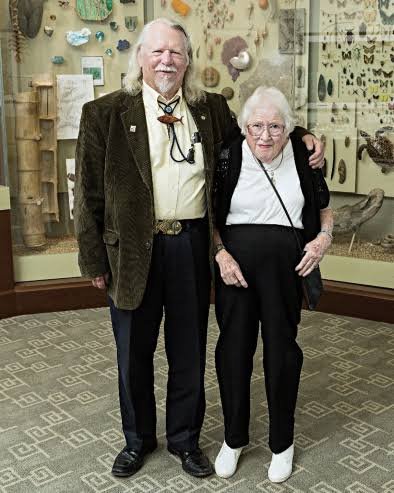
Applications are open for the Sara E. and Bruce B. Collette Postdoctoral Fellowship in Systematic Ichthyology 2027. The fellowship is offered through the Smithsonian National Museum of Natural History and supports full time, resident and independent research focused on the systematics of fishes, including comparative morphology, using the museum’s extensive fish collections. The fellowship provides an opportunity for an early career researcher to conduct collections based research within the Division of Fishes at the National Museum of Natural History. The programme is designed to support the next generation of researchers working in collections based ichthyology while encouraging scholarly engagement with the museum’s researchers, collections, facilities and wider scientific community. The fellowship is open to applicants from the United States and other countries. Successful applicants will undertake their research in person at the National Museum of Natural History in Washington, DC and the Museum Support Center in Suitland, Maryland. The award lasts for one year, with the possibility of renewal. About the Fellowship The Sara E. and Bruce B. Collette Postdoctoral Fellowship was established to support postdoctoral research in collections based systematic ichthyology at the National Museum of Natural History. The fellowship is intended for researchers with a demonstrated record of research accomplishment and knowledge of the systematics of one or more groups of fishes. The programme supports full time, resident and independent research. Fellows are expected to participate actively in scholarly activities within the Division of Fishes and contribute to collections based systematic ichthyology at both national and international levels. Research within the Division of Fishes covers systematic revisions of species, genera and families, as well as higher classification and biogeography. Current research interests include marine fishes from the Caribbean and Indo Pacific regions, freshwater fishes from Southeast Asia, larval fish studies, ontogeny, reproductive morphology and studies of osteology and myology. Applicants should demonstrate how their proposed research would benefit from the collections and research resources available at the National Museum of Natural History. Fellowship Benefits • $65,000 annual stipend • $5,000 annual research and travel allowance • $5,000 annual health insurance allowance • $1,000 one time relocation allowance • One year fellowship with possibility of renewal • Access to the National Museum of Natural History fish collections • Access to specialized research facilities and scientific equipment • Opportunity to work with researchers in the Division of Fishes • Opportunity to participate in scholarly activities and collections based research • Research environment at the Smithsonian National Museum of Natural History The standard one year award package totals $75,000, with the relocation allowance provided in addition to the listed $75,000 package. Research Environment Fellows will have access to the extensive collections and facilities of the Division of Fishes. The collection contains more than 6 million individual specimens representing over 975,000 lots. More than half of the collection has been computer catalogued and is available through an online searchable database. Research facilities include radiographic and light photography systems, microCT, molecular laboratory facilities, scanning electron microscopes and digital imaging resources. Researchers can also access a specialized Fishes library containing more than 8,000 volumes, together with archives of illustrations, maps, photographs and other research materials. Eligibility Criteria • Applicants may be citizens of the United States or other countries • Applicants must have a proven record of research accomplishment • Applicants must have knowledge of the systematics of one or more groups of fishes • All formal PhD requirements must be completed before the fellowship begins • The proposed research should relate to systematic ichthyology • Applicants should demonstrate strong research productivity, creativity and ability to engage with the scientific community • Applicants should clearly demonstrate how they would use the fish collection resources of the National Museum of Natural History • The fellowship must begin between February 2, 2027 and June 7, 2027 Priority will be given to proposals that demonstrate strong alignment with systematic ichthyology and make effective use of the collections and research resources available at the museum. Required Application Materials • Curriculum Vitae including education, expertise, achievements, honours, publications and a brief description of research interests • Up to three recent publications submitted as PDF files • Research proposal • Abstract of the proposed research • Research timetable with milestones and estimated travel dates • Research budget and justification • Two letters of reference • Identification of a principal fellowship advisor from the NMNH Fish Division staff or affiliated staff • Identification of an alternate or co advisor The research proposal should explain the methodology, importance of the research to the broader discipline, relevance to the applicant’s scholarly goals and the justification for conducting the research at the Smithsonian using the resources of the Division of Fishes. The abstract should be no more than 250 words. The main research proposal is limited to three double spaced pages, including figures, using 11 point type. The bibliography may be up to two pages. The budget should cover equipment, supplies, research related travel and other research support, excluding the stipend and relocation allowance. Selection Criteria Applications will be assessed based on the quality and relevance of the proposed research and the applicant’s research record. Strong applications should present clear research objectives, appropriate methodology and a convincing explanation of why the Smithsonian collections are important for completing the proposed work. Priority will be given to applicants whose proposals demonstrate: • Strong relevance to systematic ichthyology • High research productivity • Creativity and scholarly potential • Strong interaction with the research community • Effective use of the National Museum of Natural History fish collections • Clear justification for conducting the proposed research at the Smithsonian How to Apply Review the fellowship requirements and ensure that your proposed research aligns with systematic ichthyology and the resources of the National Museum of Natural History. Identify a member of the NMNH Fish Division staff or affiliated staff who can serve as your principal fellowship advisor. Identify a second staff member who can serve as an alternate or co advisor. Prepare your CV, recent publications, research proposal, timetable,
Tomorrow’s Leaders Program 2027 to 2028
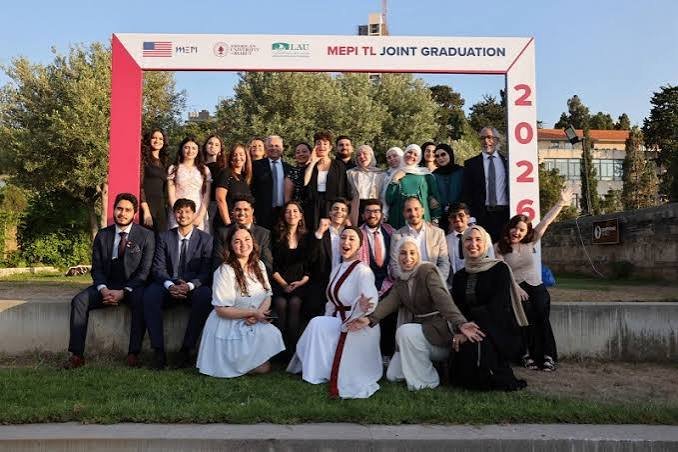
The Tomorrow’s Leaders Program 2027 to 2028 is a fully funded undergraduate scholarship and leadership development opportunity for talented young people from the Middle East and North Africa region. The program is sponsored by the US Department of State’s Middle East Partnership Initiative and administered by FHI 360. The program is designed for academically strong students who demonstrate leadership potential, maturity, flexibility and a commitment to contributing to their communities. It combines undergraduate education with leadership training, mentorship, professional development and practical opportunities designed to prepare participants for future roles in government, business, civil society and other sectors. Selected students will study at participating American style universities in the MENA region. For the 2027 to 2028 academic year, the current participating institutions are the American University of Beirut and the Lebanese American University. Applicants may indicate a preferred university but must be willing to attend either institution, as final placement depends on university admission requirements and program selection. About the Opportunity The Tomorrow’s Leaders Program seeks to develop a network of future leaders from the MENA region who can contribute to positive social and economic development. The program provides students from under resourced backgrounds with access to high quality undergraduate education and leadership development that may otherwise be financially inaccessible. Participants receive academic advising, faculty mentorship and leadership training while completing their degree. They also have opportunities to take part in internships, career oriented workshops and civic leadership activities. The program has developed a network of more than 1,900 alumni across the MENA region. Students may also become eligible to apply for a semester of study at a university in the United States. The program does not offer medical school as an eligible field of study. Applicants should review the available degree programs before selecting their intended area of study. Opportunity Benefits • Full tuition and enrollment fees for up to four academic years • University health insurance • Student housing • Entrance visa and residency permit fees • Monthly living stipend during Tomorrow’s Leaders activities • Textbook allowance • Laptop for use during the program • Two round trip tickets to the home country, territory or place of residence each year • Career oriented workshops • Civic leadership development • Internship opportunities • Faculty mentorship and guidance • Academic advising and student support • Opportunity to apply for a semester of study at a university in the United States American University of Beirut • Agribusiness • Biology • Business Administration • Chemistry • Computer Science • Data Science • Earth Sciences • Economics • Food Science and Management • Mathematics • Applied Mathematics Lebanese American University • Bioinformatics • Biology • Accounting • Banking and Finance • Family and Entrepreneurial Business • International Business • Information Technology Management • Management • Marketing • Chemistry • Computer Science • Economics • Graphic Design • Mathematics Applicants should note that only degree programs listed by the Tomorrow’s Leaders Program are available through the scholarship. Eligibility Criteria • Be a citizen or national of Algeria, Egypt, Iraq, Jordan, Lebanon, Libya, Morocco, Syria, Tunisia or Yemen • Palestinian students from the West Bank may apply, as may Palestinian students who currently reside in a third country with legal residency status • Be a current high school senior or have graduated from high school in 2026 • Applicants from Iraq, Libya, Syria, the West Bank, Palestinian students residing in a third country with legal residency status, and Yemen may also qualify if they graduated from high school in 2025 • Demonstrate strong academic credentials • Generally have academic results of 80 percent or better • Demonstrate maturity, flexibility and leadership potential • Have proficiency in written and spoken English • Be able to travel internationally and begin undergraduate studies in August 2027 • Be willing to attend either participating university if selected • Be able to maintain a cumulative GPA of at least 3.0 on a 4.0 scale during the program • US citizens and US legal permanent residents are not eligible Required Application Materials • Completed online application form • Official secondary school transcripts for grades 10 and 11, and grade 12 where available • High school graduation certificate or diploma • Unofficial English translations of academic documents when required • Documentation of extracurricular activities • Documentation of volunteer activities • Results from the required online English assessment • Two recommendation submissions • Personal information and other applicable sections requested through the application system Shortlisted applicants will have additional requirements: • TOEFL or IELTS results by March 8, 2027 • SAT I or SAT II results by March 26, 2027 where required for selected majors or students attending American style high schools Applicants who already have valid TOEFL or IELTS results that are less than two years old may submit them with their application. Selection Criteria Applicants are assessed based on several factors, including academic performance, English language proficiency and leadership potential. The program also considers whether applicants meet the admission requirements of the participating universities. Strong candidates are expected to demonstrate academic ability alongside maturity, flexibility, extracurricular engagement and potential to contribute positively to their communities. The selection process includes an initial application review followed by interviews for shortlisted candidates. Shortlisted applicants are expected to be notified by the beginning of January 2027, with interviews taking place during January. Applicants who progress further may be supported in completing standardized testing. Candidates may subsequently be forwarded for consideration by participating universities, with conditional offers expected to begin from May 2027 on a rolling basis. How to Apply Review the official Tomorrow’s Leaders Program eligibility requirements and available fields of study. Confirm that you meet the citizenship, graduation year, academic and English language requirements. Prepare your academic transcripts, graduation documents and evidence of extracurricular or volunteer activities. Complete the online Tomorrow’s Leaders Program application. Complete the required online English assessment using the same email address associated with your application. Provide the email addresses of two recommenders so they can submit their recommendations through