
Applications are open for the Global Investigative Journalism Conference Fellowship 2027, an international opportunity for professional journalists to participate in one of the world’s major gatherings dedicated to investigative reporting. The fellowship will support selected journalists to attend the 15th Global Investigative Journalism Conference, scheduled to take place in Rotterdam, the Netherlands, from October 19 to October 23, 2027. The conference is co hosted by the Global Investigative Journalism Network (GIJN) and the Dutch Flemish Association of Investigative Journalists, known as VVOJ. The event brings together investigative reporters, editors, data journalists, media professionals and experts from around the world to share knowledge, explore emerging reporting techniques and strengthen international collaboration. The 2027 conference will feature more than 150 expert panels, practical workshops and networking opportunities. Participants will explore methods for conducting investigations across borders, using artificial intelligence in journalism, applying online research techniques and working with data and satellite imagery. Sessions will also address climate change, corruption, press freedom challenges and the use of technology to hold powerful institutions accountable. About the Opportunity The Global Investigative Journalism Conference is organised by the Global Investigative Journalism Network in partnership with VVOJ. It provides a space for journalists to learn from experienced practitioners, exchange investigative methods and develop professional relationships with colleagues working in different countries and media environments. The 2027 gathering will take place in Rotterdam, the Netherlands, with the main conference activities scheduled for October 20 to October 23. October 19 is designated for pre conference activities. The programme is expected to address both established investigative reporting methods and new approaches to journalism. Participants can learn about digital research, data journalism, artificial intelligence, cross border investigations and techniques for reporting in environments where press freedom is restricted. The event also provides opportunities to discuss safety, responsible reporting and ways to maintain rigorous journalistic standards while investigating complex issues. The fellowship helps eligible journalists who might otherwise face financial barriers to attending. Full fellowship support is available, and the organisers may also offer partial fellowships depending on available funding. Opportunity Benefits Full fellowship recipients receive support covering several major costs associated with attending the conference. • Round trip airfare to Rotterdam, the Netherlands, or the nearest major airport. • Transportation between the airport and the conference hotel. • Hotel accommodation for four nights. • Access to the conference and payment of the registration fee. • Breakfast during conference days from October 20 to October 23. • Lunch on full conference days from October 20 to October 23. • Access to the cocktail reception on the evening of October 19. • Participation in the award ceremony dinner on the evening of October 22. • Opportunities to learn from experienced investigative journalists and subject specialists. • Networking with journalists and media professionals from more than 100 countries. • Opportunities to develop professional relationships and explore potential international collaborations. Important funding note: The full fellowship does not cover visa fees, a daily allowance or transportation between an applicant’s home and their departure airport. Applicants should plan for these expenses. Partial fellowships may also be available, but the number and level of awards depend on funding. Conference Focus Areas The conference will offer training and discussions across several areas of investigative journalism. • Investigative reporting: Techniques for uncovering wrongdoing, examining public institutions and holding powerful actors accountable. • Data journalism: Methods for analysing information and using evidence to produce strong, accurate stories. • Artificial intelligence: Investigating and using AI tools responsibly in journalistic work. • Digital research: Online search techniques and methods for finding, verifying and analysing information. • Cross border investigations: Collaboration among journalists working across countries and jurisdictions. • Climate and environmental reporting: Investigating climate change and related issues through evidence based journalism. • Corruption and accountability: Reporting on abuses of power and examining institutional conduct. • Satellite imagery and technology: Using specialised tools and emerging technologies to support investigations. • Press freedom and journalist safety: Learning from journalists who continue investigating in restrictive or high risk environments. Eligibility Criteria The fellowship is open to professional journalists working in different media formats. Applicants should review the official country eligibility information before applying. • Applicants must be professional journalists working in print, online, television, video, radio, documentary or multimedia journalism. • Freelance journalists from developing or transitioning countries may apply. • Journalists from the Global South are particularly encouraged to apply. • Applicants from historically underrepresented groups are prioritised. • Experience in investigative journalism or data journalism is an advantage. • Applicants should have a working knowledge of English because the conference panels and workshops will be conducted in English. • Fellowship applications must be submitted in English. • Applicants should demonstrate how participation would benefit their reporting and professional development. • Applicants who cannot afford to attend and come from a country outside the listed eligible countries may still apply and explain their circumstances in the additional notes section. Fellowship Requirements Selected fellows must contribute to sharing the knowledge they gain at the conference. Following the event, each fellow is required to complete one of the following activities: • Produce a story directly related to the Global Investigative Journalism Conference 2027. • Deliver a presentation to colleagues or the wider journalism community based on knowledge gained during the conference. Applicants should review the detailed fellowship guidelines to understand the expected outputs and reporting requirements before submitting an application. How to Apply Review the official fellowship information. Visit the Global Investigative Journalism Conference fellowship page and read the eligibility criteria, country information and fellowship requirements. Assess your eligibility. Confirm that your professional journalism experience and circumstances align with the programme requirements. Investigative or data journalism experience can strengthen your application. Prepare your application in English. Explain your professional background, your interest in attending and how the conference training could improve your reporting or benefit your journalism community. Follow the instructions in the official application form. Explain the value of your participation. Make a clear case for how you intend to use the conference
Echidna Global Scholars Visiting Fellowship 2027
Applications are open for the Echidna Global Scholars Visiting Fellowship 2027, an international fellowship offered through the Center for Universal Education (CUE) at the Brookings Institution. The programme supports experienced leaders from the Global South who are committed to improving education and advancing gender equality for girls, young women, and gender nonconforming people. The six month fellowship provides an opportunity for midcareer professionals to conduct individual research, strengthen their leadership abilities, develop evidence based policy skills, and expand their influence in education and development. Scholars work with the Brookings team to investigate challenges affecting educational opportunities and outcomes in their home countries and develop research that can inform policies, programmes, and practical solutions. The programme is designed for professionals with substantial experience in research, academia, government, nongovernmental organisations, community organisations, or civil society. Applicants should have a strong understanding of gender and education issues, a clear commitment to improving learning opportunities, and plans to continue contributing to their home countries after the fellowship. About the Echidna Global Scholars Visiting Fellowship The Echidna Global Scholars Program is hosted by the Center for Universal Education at the Brookings Institution and supported by Echidna Giving. Its mission is to strengthen the influence of local leaders working to advance gender transformative education across the Global South. During the fellowship, scholars undertake individual research projects focused on improving learning opportunities and life outcomes for girls, young women, and gender nonconforming people. Their research is intended to generate evidence that can support education reform, strengthen local initiatives, and contribute to policy discussions. The programme also helps participants improve their ability to communicate research findings, engage decision makers, and turn evidence into practical action. After completing the fellowship, scholars join the Echidna Alumni Network, which connects professionals working to advance gender equality in education across different countries and contexts. Fellowship Benefits Selected Echidna Global Scholars can receive the following benefits: • US$26,500 stipend to support living costs during the pre residency and residency periods, subject to applicable United States tax withholding and reporting. • Visa process expenses covered. • Single occupancy accommodation during the four month residency in Washington, DC. • Round trip travel expenses associated with the fellowship. • A limited health insurance plan. • Costs associated with the research design retreat. • Research guidance and individual advisory sessions with the Center for Universal Education team. • Leadership development and evidence based policy training. • Opportunities to publish research based policy briefs and commentaries through Brookings platforms. • Access to professional networks, institutional convenings, and strategic collaborations. • Continued guidance and opportunities to develop impact projects in home countries after the residency. Fellowship Programme Phases The fellowship consists of four phases designed to help scholars move from research planning to evidence based policy engagement and longer term impact. 1. Kickoff and Research Design Retreat In April 2027, scholars participate in a one week in person retreat with the Gender Equality in and through Education team. They refine their research proposals, identify policy problems, design their studies, and plan data collection. 2. Pre Residency During June and July 2027, scholars begin collecting and analysing data in their home countries. This phase includes virtual workshops, group working sessions, and individual advisory meetings. Participants also begin developing an impact strategy and identifying relevant local stakeholders. The expected time commitment is approximately 15 to 20 hours per week. 3. Residency in Washington, DC From August to December 2027, scholars work with the Brookings team to strengthen their research, leadership, and policy communication skills. They analyse their findings and develop an action oriented policy brief and strategic commentaries for publication and dissemination through Brookings platforms. 4. Post Residency and Alumni Support Following the residency, scholars participate in the Gender Equality in and through Education Research and Policy Symposium. During the following two years, the programme offers support through impact planning, strategic advice, and leadership development to help scholars translate their research into action in their home countries. Eligibility Criteria Applicants should meet the following requirements: • Have substantial professional experience and meaningful ties to a country in the Global South. • Demonstrate a clear intention to return to the Global South after completing the Washington, DC residency. • Have a strong commitment to advancing gender equality in and through education. • Hold a master’s degree or higher. • Have at least 10 years of professional experience in research, academia, government, nongovernmental organisations, community organisations, or civil society. • Have an academic or professional background in education, gender studies, women’s studies, international development, global development, public policy, economics, or a related social science or humanities field. • Demonstrate an in depth understanding of education, development, and gender issues. • Possess strong analytical, research, and writing skills. • Be willing to collaborate with others and give and receive constructive feedback. • Demonstrate flexibility, a willingness to learn, and the ability to adapt to new challenges. • Demonstrate proficiency in English. Candidates with experience across academic or government institutions and community organisations are particularly encouraged to apply. Required Application Materials Applicants should prepare the following materials: • Curriculum vitae or resume outlining education, professional experience, publications, fellowships, honours, awards, funded research, and foundation support received. • Completed Echidna Global Scholars Program application, including the written questionnaire and research proposal. • Cover letter explaining the applicant’s background, motivation, and commitment to gender equality in education. • Research proposal of approximately three to five pages describing a proposed project that can strengthen the evidence base and improve learning opportunities and life outcomes for girls, young women, and gender nonconforming people in the applicant’s country. Applicants should follow the official application instructions for completing and uploading their documents. Letters of recommendation, separate writing samples, and academic transcripts are not required according to the current programme guidance. Selection Criteria The programme seeks experienced professionals whose research and leadership can contribute to meaningful improvements in education and gender equality. Applications are expected to demonstrate: • A strong record of professional experience and commitment to the Global South. •
Branco Weiss Fellowship Society in Science 2027
Applications are open for the Branco Weiss Fellowship Society in Science 2027, an international research fellowship supporting exceptional early career scientists who want to pursue original research beyond the mainstream. Based at ETH Zurich in Switzerland, the programme gives outstanding postdoctoral researchers the opportunity to develop their own scientific projects with considerable independence and pursue research in suitable locations around the world. The fellowship was established by Swiss entrepreneur Dr. Branco Weiss and is administered by ETH Zurich. It supports researchers who combine scientific excellence with intellectual curiosity, independent thinking and a willingness to explore questions that challenge conventional approaches in their fields. The programme welcomes applications from researchers across the natural sciences, engineering, social sciences and humanities. Unlike many traditional research grants, the Branco Weiss Fellowship is designed for researchers whose ideas may not fit easily within established research agendas. Applicants are expected to propose projects that open new avenues of investigation and demonstrate how their work could contribute to broader discussions involving science and society. About the Fellowship The Branco Weiss Fellowship supports exceptional postdoctoral researchers who want to pursue a personal scientific vision with substantial independence. Its central purpose is to encourage research that departs significantly from mainstream approaches and benefits from the freedom to explore unconventional ideas. The programme aims to award up to ten fellowships annually, although the final number depends on the quality of the applicants and their performance during the selection process. Research projects are generally designed to last five years. The first two and a half years form the pioneer phase, during which fellows develop their research and demonstrate its originality and progress. Before the end of the second year, the programme conducts a site visit and evaluates the project. Fellows who receive a satisfactory assessment may proceed into the remaining two and a half years, known as the exploitation phase. Fellows can pursue research at suitable host institutions and may accept a faculty position during the fellowship without automatically losing their fellowship support, subject to programme conditions. Fellowship Benefits Selected researchers can receive the following support: • Funding of up to CHF 600,000 over a period of five years. • Financial support for legitimate research expenses, including salary costs, equipment, research materials, personnel and travel. • Freedom to pursue an independent research project beyond conventional disciplinary boundaries. • The opportunity to conduct research at suitable institutions and locations around the world. • Access to an international community of researchers and fellowship alumni. • Opportunities to develop research that connects scientific questions with broader social, cultural, political and economic issues. • Participation in the annual fellowship symposium in the Greater Zurich Area. • The possibility of continuing fellowship support after promotion to a faculty position, subject to programme requirements. The fellowship is structured as a research project grant rather than an unrestricted personal cash award. Funding is administered through the host institution under an agreement involving the fellow, the host institution and ETH Zurich. Research Areas The fellowship is open to researchers from all scientific disciplines. Applicants should focus on the originality and potential significance of their proposed research rather than attempting to fit their projects into a narrow list of priority subjects. Potential fields include: • Natural sciences, including biology, chemistry and physics. • Engineering and technology. • Computer science and other quantitative disciplines. • Social sciences, including economics, sociology and political science. • Humanities and related interdisciplinary fields. • Research combining methods or perspectives from multiple disciplines. Projects should demonstrate a clear departure from mainstream research in the applicant’s discipline. The programme generally does not support conventional projects that could readily receive funding from other scientific organisations. Eligibility Criteria Applicants for the 2027 fellowship intake must meet the following requirements: • Hold a PhD by January 15, 2027, meaning the doctoral examination must have been successfully completed by that date. • Have obtained their PhD no more than five years before the application deadline. • Not hold or have previously held a faculty equivalent position, such as an assistant professor or lecturer. • Not hold a permanent employment position that makes them ineligible under the fellowship guidelines. • Demonstrate a record of outstanding scientific achievement. • Propose an original research project that departs significantly from mainstream research in their field. • Demonstrate a willingness to engage with social, cultural, political or economic issues beyond their own discipline. • Be willing and able to travel to the Greater Zurich Area to attend the annual symposium in person. • Ensure that their chosen mentor is not supporting another candidate during the same application round. The fellowship is open to researchers of all nationalities, with no restriction based on biological age. Applicants who previously applied unsuccessfully may apply again. Periods of interruption after the PhD are considered only under specified circumstances, including parental leave or inability to work because of illness or an accident. Applicants seeking an extension must provide official confirmation to the fellowship administration before submitting their application. Required Application Materials Applicants should prepare the following documents in PDF format: • Letter of motivation: A maximum of one page, including an explanation of how the proposed research differs from mainstream work in the discipline. • Research project proposal: A maximum of five pages, including the project timeline, tentative milestones and references. • Curriculum vitae: A maximum of four pages. • Invitation letter from the prospective host: This should explain why the applicant is invited to join the host group and why the proposed project is supported by the host institution. • Three best publications: Submit copies of three strong publications. Eligible materials include peer reviewed journal articles and individual book chapters. Doctoral theses and books are not accepted for this requirement. • Five reviewer suggestions: These are entered directly into the online application system. • PhD certificate or examination confirmation: Provide a scan of the doctoral certificate or confirmation that the examination has been successfully completed. Reference letters are not required at the initial application stage. The official PhD certificate
United Nations Regional Course in International Law for Africa 2027
Applications are open for the United Nations Regional Course in International Law for Africa 2027, a professional training opportunity for African legal practitioners and other qualified professionals with experience in international law. The course is organized by the Codification Division of the United Nations Office of Legal Affairs in cooperation with the Federal Democratic Republic of Ethiopia, the African Union, and the United Nations Economic Commission for Africa. The programme is designed to strengthen knowledge and professional capacity in international law. It offers participants an opportunity to deepen their understanding of the subject, engage with relevant legal issues, and exchange knowledge with professionals working in related fields across the region. The 2027 course will take place in person at the facilities of the United Nations Economic Commission for Africa in Addis Ababa, Ethiopia, from 15 March to 7 April 2027. The programme will be conducted entirely in English and will accommodate up to 30 participants. A limited number of places will be available for applicants who can finance their own participation. About the Opportunity The United Nations Regional Course in International Law for Africa is part of the United Nations’ broader efforts to promote the teaching, study, dissemination, and wider appreciation of international law. It provides professional training for people who already have practical experience in the field and whose work can benefit from further specialist knowledge. The programme is open to qualified candidates from United Nations Member States that are also members of the African Group. Applicants may come from government institutions, universities, intergovernmental organizations, nongovernmental organizations, and similar institutions involved in international law activities in the region. Government officials are not the only professionals who may apply. Academics and practitioners working with relevant organizations are also eligible to be considered, provided they satisfy the course requirements. Candidates who are not government officials may be nominated by their employer or the institution with which they are affiliated. Opportunity Benefits Selected fellowship recipients can receive the following benefits: • Return travel to Addis Ababa. • Accommodation for the duration of the course. • Meals during the programme. • Medical insurance. • Course participation and training materials. • A modest stipend to support additional living expenses, including local transportation and other everyday costs. • Professional learning and engagement with international law specialists and other participants. • An opportunity to receive the same course certificate awarded to other participants upon completion. The fellowship stipend is intended to support reasonable living expenses and is not designed to provide a luxurious standard of living. Participants should also be aware that some medical providers may require advance payment for services, which may not be covered by the stipend. A limited number of self funded places are available. These participants receive the training materials and take part in the same course activities, but must pay their own travel, accommodation, meals, medical insurance, and other living expenses. Programme Focus The course focuses on professional education in international law. Applicants should consult the official course brochure for the detailed curriculum and specific subjects scheduled for the 2027 edition. The programme is intended to help participants strengthen their professional understanding of international law and apply that knowledge in their work. It may be particularly relevant to professionals whose responsibilities involve legal research, international legal affairs, policy development, academic work, or institutional engagement with international law. The course also provides a setting for participants from different professional backgrounds and African countries to exchange perspectives and learn from one another. Eligibility Criteria Applicants must meet the following requirements: • Have a legal background. • Possess professional experience in the field of international law. • Be a national of a United Nations Member State that is also a member of the African Group. • Demonstrate fluency in English, the language of the 2027 course. • Be available to attend the entire programme in person from 15 March to 7 April 2027. • Be able to demonstrate the relevance of the course to their professional responsibilities. • Provide the required information and institutional support as specified in the official application form. Female candidates are strongly encouraged to apply. The selection process considers applicants’ qualifications, the nature of their professional duties, the relevance of the training to their work, and gender balance. The programme is intended for professionals with practical experience rather than students who have not yet developed professional experience in international law. Current United Nations staff members are not eligible for the fellowship. Required Application Materials Applicants should obtain and complete the official United Nations application form. The form includes sections that must be completed with the involvement of the applicant’s sponsoring institution. Candidates should prepare to provide the information requested in the application form, including: • Personal and professional information. • Educational and legal qualifications. • Details of professional experience in international law. • Information about current duties and responsibilities. • Details of the employer or sponsoring institution, where applicable. • Information demonstrating how the training relates to the applicant’s professional responsibilities. • Confirmation of availability to attend the complete course. Applicants should carefully review the form and its instructions before submission. The sponsoring institution must complete the relevant sections, but the applicant may submit the completed form directly to the Codification Division of the United Nations Office of Legal Affairs. Government nomination is not compulsory for professionals who qualify through another relevant institution. Selection Criteria Applications are assessed according to the candidate’s qualifications and professional background. The selection process also considers the scope of the applicant’s current duties and how relevant the course is to their work. Gender balance is another consideration, and female applicants are strongly encouraged to apply. The course can accommodate up to 30 participants, including a limited number of self funded participants. Fellowship recipients and self funded participants are selected through the same process and assessed using the same selection criteria. Both groups participate in the same lectures and activities and receive the same certificate upon successful completion. How to Apply Interested candidates should follow
UNICEF Venture Funding Opportunity for Femtech Solutions 2026
Applications are open for the UNICEF Femtech Ventures Funding Opportunity 2026, which supports companies developing technology solutions that improve the health, wellbeing, and sexual and reproductive health and rights of women and girls. Through this initiative, UNICEF is seeking locally developed innovations that address persistent gaps in healthcare access, reproductive health information, mental wellbeing, safety, and economic participation in emerging markets. The initiative is part of UNICEF Femtech Ventures, a five year programme running from 2025 to 2030 under the UNICEF Venture Fund. It invests in technology companies that understand the communities they serve and can develop solutions that respond to local needs. The second annual call will add new companies to a portfolio that already includes 11 companies from eight countries across Africa and Asia. Selected companies can receive up to US$100,000 in equity free funding, alongside 12 months of technical mentorship and access to UNICEF’s global network, including connections with governments. This support is intended to help promising solutions strengthen their products, reach more users, and develop pathways towards wider adoption. About the Opportunity UNICEF Femtech Ventures aims to address inequalities in the availability and accessibility of technology designed for women and girls. Although digital tools are transforming healthcare and other essential services, many women and girls in emerging markets continue to experience barriers linked to cost, distance, stigma, limited information, and inadequate services. The programme supports locally developed technologies that can improve health outcomes while strengthening the ability of women and girls to make informed decisions about their lives. It also recognises that solutions must be designed responsibly, with attention to privacy, informed consent, safety, and the needs of people who may have limited connectivity or access to digital devices. The initiative seeks innovations with potential for measurable impact and wider use. Companies are encouraged to build solutions that are inclusive, adaptable to different cultural and economic settings, and capable of serving underserved populations. Opportunity Benefits • Funding: Selected companies may receive up to US$100,000 in equity free funding. • Technical mentorship: Access to 12 months of technical mentorship to support product development and implementation. • UNICEF network: Opportunities to connect with UNICEF’s global network, including government relationships. • Pathways to scale: Support to position promising solutions for wider adoption and impact. • Innovation portfolio: Selection into the UNICEF Femtech Ventures portfolio. • Local innovation support: An opportunity to advance technology developed in response to community needs. Programme Areas Applications should address one or more of the three focus areas outlined by UNICEF. 1. Healthcare Access for Women and Girls This area supports technology that improves access to quality healthcare, particularly in primary and community care settings. Relevant solutions may include: • Digital tools that help frontline health workers interpret health data and medical images. • Affordable screening technologies for conditions that may otherwise go undetected. • Platforms connecting screening, referrals, and follow up care. • Digital systems supporting maternal healthcare from pregnancy through the first years of a child’s life. • Tools that improve the availability of essential maternal and child health supplies. 2. Informed, Safe and Accessible Reproductive Health This area focuses on improving access to sexual and reproductive health information, tools, and services. Examples include: • Artificial intelligence platforms providing accessible reproductive health information in underserved languages. • Digital tools that help community health workers manage cases, referrals, and follow up. • Technology that improves HPV screening and prevention services. • Platforms that help women and girls access financing for reproductive healthcare. • Privacy focused systems that give users greater control over sensitive health information. 3. Mental Wellbeing, Safety and Protection This area supports innovations addressing the emotional, psychological, and digital safety needs of women, girls, and children. Potential solutions include: • Digital mental health tools offering accessible and culturally appropriate support. • Decision support tools helping community health workers identify mental health risks and refer people for specialist care. • Technology supporting safe reporting and referral services for gender based violence. • Tools that identify and respond to online harassment, abuse, and exploitation. • Community level platforms that help teachers, health workers, and social workers recognise and respond to mental health needs. Eligibility Criteria The opportunity is intended for companies developing technology solutions with a clear social impact. UNICEF particularly encourages applications from women led startups and companies with young founders under the age of 35. Applicants should consider the following criteria: • The applicant should be a company developing a technology solution relevant to women’s and girls’ health, wellbeing, safety, or participation. • The company should be registered in a UNICEF programme country. • The solution should use frontier technology such as artificial intelligence, machine learning, blockchain, or data science. • The company should have a functional prototype. • The company must be committed to open source licensing and principles. • The proposed solution should address a clearly identified need and demonstrate potential for practical impact. • The technology should be developed with appropriate attention to privacy, data protection, consent, and user safety. • The solution should have potential to expand its reach while remaining relevant to the communities it serves. Women led companies and startups with founders under 35 are strongly encouraged to apply. Applicants should consult UNICEF’s official guidelines to confirm the detailed eligibility and selection requirements before submitting an application. Required Application Materials Applicants should prepare information that clearly explains their company, technology, and intended impact. Review the official application form for the precise information and documents required. Key areas to prepare include: • Company registration and organisational information. • A clear description of the technology solution and the problem it addresses. • Details about the prototype and its current stage of development. • An explanation of how the solution uses frontier technology. • Evidence of the solution’s relevance to women’s and girls’ health, wellbeing, safety, or participation. • Information about the intended users and the communities the solution will serve. • An explanation of the company’s approach to open source licensing. • Details about data

Global Women Connect Mentoring Programme 2026/2027
Applications are open for the Global Women Connect Mentoring Programme 2026/2027, an international mentoring initiative designed to help women strengthen their leadership capabilities, build professional relationships and develop the confidence to create meaningful change. The programme brings together experienced women leaders and emerging or established professionals through structured mentoring relationships that encourage mutual learning, reflection and professional growth. Delivered as part of Global Women Connect, the programme aims to build trusted relationships that support positive change at the individual, organisational and environmental levels. It recognizes that leadership development is strengthened when women have access to supportive professional networks, practical guidance and opportunities to reflect on their experiences. The programme is designed for both mentors and mentees. Mentees can use the relationship to explore their professional ambitions, address workplace challenges and identify opportunities for growth. Mentors, meanwhile, can contribute their experience while developing their own coaching, communication and leadership skills. The mentoring programme runs for approximately 9 to 12 months and is delivered entirely online, making participation accessible to women in different countries and time zones. Participants engage in mentoring conversations every four to six weeks, alongside supporting webinars and structured opportunities to review their progress. Participation is free. Priority is given to women based in the Global South, including those working in resource constrained or crisis affected settings. Applications for the 2026/2027 programme must be submitted by October 16, 2026. About the Opportunity The Global Women Connect Mentoring Programme provides a structured environment where women can learn from one another, strengthen their professional capabilities and develop practical approaches to leadership challenges. A central feature of the programme is its mentee led approach. Rather than following a fixed agenda imposed by the mentor, each mentee identifies the questions, ambitions and challenges they want to explore. The mentor provides a supportive and reflective space to help the mentee examine options, learn from experience and make informed decisions. The programme is intended for women working in humanitarian, development and social impact sectors. It recognizes the importance of leadership in organisations and communities addressing complex social, economic and environmental challenges. The initiative also encourages mutual learning. Mentors have opportunities to refine their mentoring and coaching skills, gain fresh perspectives and reflect on their own professional practice. Both participants are expected to engage consistently and contribute to a constructive relationship throughout the programme. Programme Benefits The programme offers professional development opportunities for both mentees and mentors. Benefits for mentees • Develop leadership capabilities and confidence. • Build resilience when navigating professional challenges. • Identify strengths, ambitions and opportunities for growth. • Improve professional performance and decision making. • Receive structured support to reflect on challenges and career goals. • Establish a trusted professional relationship with an experienced woman leader. Benefits for mentors • Develop mentoring and coaching skills. • Strengthen reflective practice and professional self awareness. • Improve problem solving and decision making capabilities. • Develop emotional intelligence. • Share professional experience and support another woman’s development. • Participate in an ongoing learning and exchange community. Additional programme features • Free participation for selected mentors and mentees. • Online delivery that accommodates participants in different locations. • Regular mentoring conversations every four to six weeks. • An initial briefing and scheduled support sessions. • Midway and final opportunities to reflect on progress. • A wider professional learning environment that encourages continued development. The programme is a mentoring opportunity rather than a scholarship or paid fellowship. Applicants should therefore apply for its professional development, relationship building and leadership learning opportunities rather than expecting a financial award. Eligibility Criteria The programme accepts applications from women interested in participating as either mentees or mentors. Applicants should select the role that best matches their experience and professional objectives. Mentee applicants • Be a current or emerging leader in the humanitarian, development or social impact sectors. • Have professional ambitions, leadership challenges or development goals that can benefit from mentoring. • Be willing to take responsibility for setting the mentoring agenda and identifying topics for discussion. • Be prepared to participate in regular online mentoring conversations and programme activities. • Be able to maintain professional contact with a mentoring partner throughout the programme. • Be willing to complete the required interim and final evaluation questionnaires. Priority is given to leaders based in the Global South, including women working in resource constrained or crisis affected environments. Mentor applicants • Be an experienced woman leader or manager in the humanitarian, development or social impact sectors. • Have an interest in supporting other women’s professional and leadership development. • Be willing to provide a supportive environment for reflection, learning and problem solving. • Be prepared to attend the required briefing and maintain regular mentoring contact. • Be willing to participate in the programme’s learning and exchange activities. Knowledge of more than one language can be helpful for mentors. English, French, Arabic and Spanish are particularly relevant, although bilingual ability is not a requirement. The published eligibility information does not specify a universal age limit or academic qualification requirement. Applicants should consult the official application form for any additional information relevant to their chosen role. Required Application Information Applicants should prepare thoughtful and accurate responses to the programme’s application questions. The information is used to help organisers identify suitable mentoring partnerships. The application requests information including: • Name and contact details. • Current organisation and professional role. • Country of residence and time zone. • Whether applying as a mentor or a mentee. • Previous experience participating in a mentoring programme. • Time spent in the current role and overall sector experience. • Professional background and circumstances relevant to mentoring. • Development objectives, ambitions and expectations for the programme. • Confirmation of availability for the required programme activities. Applicants should also be prepared to confirm their commitment to attending an online briefing, arranging mentoring conversations every four to six weeks, participating in midway and final support activities, completing evaluation questionnaires and maintaining professional contact with their mentoring partner. Applicants seeking to participate as
Female Science Talents Intensive Track 2027
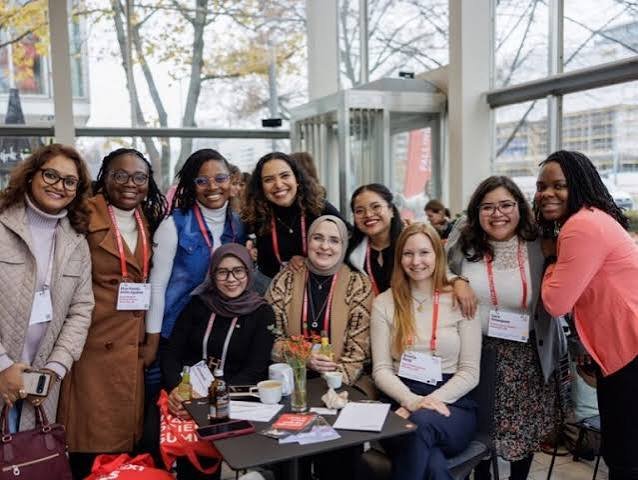
Applications are now open for the Female Science Talents Intensive Track 2027, an international career development programme organised by the Falling Walls Foundation. The programme will select 20 talented women and gender diverse researchers from around the world to participate in a year of professional development, mentorship, scientific exchange and leadership training. The initiative is designed to help outstanding researchers advance their careers, strengthen their professional networks and explore new opportunities for leadership in science. Participants will engage in workshops, career talks and collaborative learning activities while connecting with established scientists, industry professionals and leaders from different sectors. The programme runs from February 2027 to January 2028. It combines online activities throughout the year with two in person gatherings in Berlin, Germany. These gatherings include the International Spring Gathering and the International Fall Gathering during the Falling Walls Science Summit 2027. Travel and accommodation costs for both events are covered by the programme. About the Opportunity The Female Science Talents Intensive Track is part of the Female Science Talents initiative of the Falling Walls Foundation. It supports researchers who demonstrate scientific excellence and the potential to contribute to research, innovation and wider society. The programme offers participants opportunities to strengthen their professional skills, communicate their research to broader audiences and learn from people working across academia, business and other sectors. Through regular online sessions, career discussions, workshops and peer exchange, fellows can explore new approaches to scientific leadership and career development. Participants are also expected to contribute actively to the programme community. This includes exchanging knowledge with fellow researchers, participating in discussions, sharing expertise and supporting the development of future cohorts through mentorship and community activities. The programme is scheduled to begin in February 2027 and conclude in January 2028. Online activities take place throughout the year, generally requiring around three to five hours per month. Participants will also travel to Berlin for two gatherings, one in May and another in November 2027. Opportunity Benefits Selected participants can access the following benefits: • Participation in a free, one year professional development programme. • Travel and accommodation support for two gatherings in Berlin, Germany. • Opportunities to attend workshops on leadership, science communication, entrepreneurship and career development. • Career talks with experienced researchers and professionals. • Mentorship and peer learning with scientists from different disciplines. • Networking opportunities with women leaders in academia, business and politics. • Connections with the wider Female Science Talents and Falling Walls communities. • Greater visibility for research and professional achievements through programme communication channels. • Opportunities to contribute to community activities and mentor future participants. • Exposure to international scientific networks and potential career pathways. Important funding note: The programme covers participation and specified travel and accommodation costs for the two Berlin gatherings. It does not advertise a general salary or monthly stipend. Visa application expenses and travel insurance are not covered. Programme Areas The Intensive Track is open to applicants from all academic disciplines. Its activities focus on several professional development areas. • Scientific career development: Strengthening research careers and exploring future opportunities in academia and beyond. • Science communication: Learning to explain research findings, scientific ideas and professional goals to wider audiences. • Leadership development: Building the confidence and skills needed to take on leadership responsibilities in scientific and professional settings. • Science entrepreneurship: Exploring ways to translate scientific knowledge and research into practical applications and innovative initiatives. • Professional networking: Connecting with researchers, established scientists, industry representatives and other professionals. • Peer learning and mentorship: Sharing knowledge, exchanging experiences and supporting other members of the scientific community. • Community engagement: Contributing to discussions, organising knowledge sharing activities and supporting future programme participants. Eligibility Criteria Applicants should meet the following requirements: • Identify as a woman or as a gender diverse person within the programme’s inclusive eligibility framework. • Be a PhD student in the final stages of doctoral research, or a postdoctoral researcher who completed a PhD in 2021 or later. • Applicants with qualifications equivalent to a PhD or postdoctoral experience, including relevant medical degrees or advanced professional scientific training, may also be considered. • Be affiliated with a university or research institution in any country. • Demonstrate strong scientific ability, innovative thinking and a commitment to advancing knowledge in their field. • Have a clear understanding of their research interests and future career goals. • Demonstrate fluency in English and the ability to communicate research and professional objectives clearly. • Be willing to participate actively in workshops, online sessions, peer discussions and community activities. • Be prepared to contribute knowledge and expertise to the programme and support future participants through mentorship. • Show a collaborative attitude and an interest in engaging with an international network of researchers. Women from the Global South are particularly encouraged to apply. Applicants should ensure that their qualifications and research experience align with the programme’s stated requirements. Required Application Materials Applicants must complete the online application form and provide the following information and documents: • Personal introduction: A description of yourself, limited to 300 characters including spaces. • Research description: A concise explanation of your research, limited to 300 characters including spaces. • Career goals and vision: An outline of your professional ambitions, limited to 300 characters including spaces. • Programme relevance: An explanation of how participation would support your career objectives, limited to 300 characters including spaces. • Contribution to the programme: A brief description of the skills, experience or expertise you could contribute, limited to 300 characters including spaces. • Curriculum Vitae: A CV in tabular format highlighting the main stages of your career, research experience and achievements. • Video introduction: An MP4 video of no more than two minutes explaining who you are and why you want to participate. Applicants should keep their written responses concise and specific. The application should communicate their research strengths, career ambitions and potential contributions to the wider community. Selection Criteria Applications are assessed by an expert panel. The selection process considers the applicant’s scientific achievements,

True Story Award 2027 for Journalists
Applications are open for the True Story Award 2027, an international journalism award recognising outstanding written reportage from journalists around the world. The award celebrates journalism that demonstrates strong research, exceptional storytelling and meaningful societal impact. Journalists whose work has been published in newspapers, magazines or online publications during the eligible period are invited to submit their reports for consideration. The True Story Award brings together journalists from different countries and language communities to share their work and engage in discussions about important stories and the role of journalism in society. The award is presented in connection with the True Story Festival in Bern, Switzerland, where nominated journalists and the wider festival community have opportunities to exchange ideas and perspectives. The 2027 edition recognises excellence across three categories: Research, Storytelling and Impact. Each category winner will receive US$20,000, giving selected journalists an opportunity to gain international recognition for their reporting and the issues their work brings to public attention. About the Opportunity The True Story Award is an international prize for written journalism that combines credible reporting with compelling presentation and relevance to society. Rather than focusing exclusively on breaking news or the number of readers reached, the award considers the depth of investigation, quality of writing and potential influence of a report. The award is presented in three distinct categories. Applicants must select the category in which they would like their report to be evaluated. Although a strong submission may demonstrate qualities across all three categories, the applicant should identify the area that best represents the report’s principal strength. The selection process involves an international jury that evaluates submissions from different countries and language regions. Selected journalists are nominated for the award and invited to Bern for the True Story Festival, scheduled to take place from June 3 to June 7, 2027. The main jury selects the three category winners from the nominated reports. Award Categories • Research: Recognises outstanding investigative work, including the scope of the research, time invested, data analysis, difficulty in obtaining information and risks encountered during reporting. • Storytelling: Recognises exceptional writing, including structure, composition, the integration of facts and narrative, linguistic quality and literary strength in nonfiction reporting. • Impact: Recognises the societal significance of a report, considering its news value, audience response and potential consequences for politics, the economy or society. Opportunity Benefits • US$20,000 cash prize for each of the three category winners. • International recognition for outstanding journalistic work. • Opportunity to have a report evaluated by an international jury of journalism, publishing, education and literary professionals. • Potential nomination for the True Story Award 2027. • Invitation to Bern, Switzerland, for selected journalists attending the award ceremony and True Story Festival. • Opportunities to exchange experiences with journalists from different countries and language communities. • Greater visibility for important investigations, human stories and reporting on issues affecting society. • Opportunity to contribute to international discussions about journalism, storytelling and the social relevance of reported work. Eligibility Criteria Applicants should review the following requirements before preparing a submission. • Open to journalists from around the world. • The submitted report must have been published between October 1, 2025, and September 30, 2026. • Eligible publication formats include daily or weekly newspapers, magazines and online publications. • The submission must be a written journalistic report based on researched events and adhere to recognised journalistic standards. • Each author may submit only one text. • Entries may be submitted by the author or by the editorial team responsible for the publication. • Reports must meet the award’s language and submission requirements. • Applicants must select one of the three award categories for evaluation. Required Application Materials Applicants should prepare a report that meets the award’s content, length and publication requirements. • One eligible written report published within the specified period. • A report between 15,000 and 85,000 characters, including spaces. • The original publication details for the submitted report. • The preferred category for evaluation: Research, Storytelling or Impact. • An online submission completed through the official application platform. The award does not accept unpublished manuscripts, book publications, visual works, audiovisual productions, purely factual texts or academic works. Applicants should ensure their submission is a journalistic feature or report that meets the competition’s standards. Selection Criteria Submissions are assessed according to the category selected by the applicant and the quality of the journalism presented. Research quality The jury considers the breadth and depth of the investigation, the effort invested in gathering information, the use of data, the difficulty of obtaining evidence and any risks associated with the reporting. Writing and storytelling The jury examines the structure and composition of the report, how facts are integrated into the narrative, the clarity and elegance of the writing, and the quality of the nonfiction presentation. Societal impact The jury considers the relevance of the report, its newsworthiness, the response it generates among readers and its potential to influence public debate or developments in politics, the economy and society. Reports that combine strong research, engaging writing and wider social relevance may demonstrate strengths across several areas, although each submission is evaluated in the category selected by the applicant. How to Apply Interested journalists can follow these steps to submit an entry for the True Story Award 2027. Review the official eligibility rules. Visit the True Story Award website and confirm that your report meets the publication dates, length requirements and other submission conditions. Choose an eligible report. Select a written journalistic feature published between October 1, 2025, and September 30, 2026, in an eligible newspaper, magazine or online publication. Select an award category. Decide whether Research, Storytelling or Impact best reflects the report’s main strength. Check the language requirements. Entries can be submitted in Arabic, Chinese, English, French, German, Persian, Portuguese, Russian and Spanish. The official call also provides regional submission routes for eligible English translations of work originally written in other languages. Consult the current rules for the accepted language and regional arrangements. Complete the
AIEI Startup Pitch Session 2026
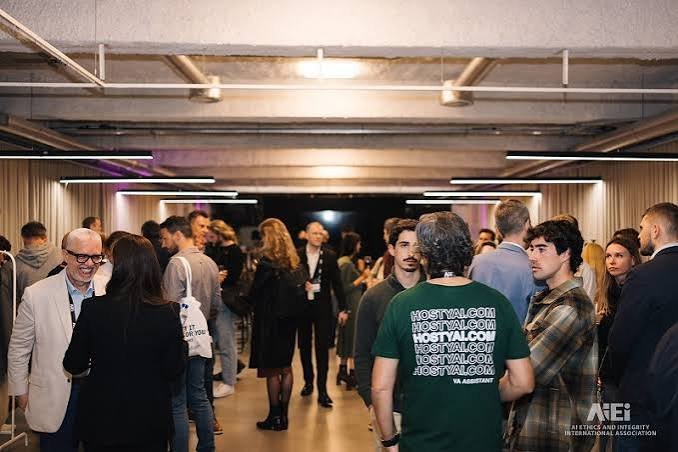
Applications are open for the AI Ethics and Integrity International Association Startup Pitch Session 2026, an opportunity for innovative startups to present their artificial intelligence solutions to an international audience of investors, industry leaders, researchers, policymakers and potential partners. The pitch session will take place during the AI Horizon Conference 2026 in Lisbon, Portugal, on November 11, 2026. Organised by the AI Ethics and Integrity International Association, the initiative aims to connect promising AI ventures with people and organisations that can support their development, adoption and growth. Selected startups will have the opportunity to showcase their ideas, receive feedback, expand their professional networks and explore potential partnerships. The programme is particularly relevant to founders developing artificial intelligence products and services that address real world challenges. Startups working on practical AI applications, responsible technology, business solutions and emerging innovations can use the session to introduce their work to an audience interested in the future of artificial intelligence. About the Opportunity The AIEI Startup Pitch Session forms part of the AI Horizon Conference, an annual event organised by the AI Ethics and Integrity International Association. The conference brings together entrepreneurs, investors, technology professionals, researchers and other stakeholders interested in responsible artificial intelligence and technological innovation. The association works to promote AI standards, encourage knowledge sharing, support responsible AI policies and strengthen connections across the AI ecosystem. Through its conference and startup activities, it provides a platform for innovators to introduce solutions and engage with people working across technology, business and governance. The 2026 conference will be held at the Lumen Hotel in Lisbon, Portugal. Its programme includes keynote presentations, panel discussions, a startup pitch session, an awards ceremony and networking opportunities. Selected startups will have a short presentation opportunity on stage. The official conference information describes the pitches as approximately three minutes long, giving founders a limited time to explain their solutions, communicate their value and capture the attention of prospective partners and investors. Opportunity Benefits Selected startups may benefit from: • The opportunity to pitch their AI solution before an international audience. • Visibility through conference media and association communication channels. • Networking with investors, industry leaders, researchers and policymakers. • Opportunities to connect with potential business partners and collaborators. • Feedback and engagement with professionals in the AI ecosystem. • Exposure to organisations interested in responsible AI and innovation. • Opportunities to introduce their products to a broader professional audience. • Potential connections that may support future business development and growth. Participation provides visibility and networking opportunities. The organisers have not specified a guaranteed cash prize, investment award or grant for selected startups. Eligible Startup Areas The pitch session is open to startups using artificial intelligence in any industry. Applicants should demonstrate how their technology or product addresses a meaningful problem and has potential for further development. Relevant areas may include: • Artificial intelligence software and applications. • AI tools for business operations and productivity. • Responsible AI, ethics and governance solutions. • AI enabled healthcare, education and public services. • Data analysis and intelligent automation. • AI solutions for industry and enterprise needs. • Emerging technologies with practical applications. • Other innovative products or services that use AI technology. These areas are illustrative rather than an official list of separate competition categories. Startups should explain how their own solutions use AI and what distinguishes their approach. Eligibility Criteria Applicants should review the following requirements before applying: • The opportunity is open to early stage and growth stage startups using AI in any industry, with the official announcement prioritising pre seed and seed stage ventures. • The project must operate in the AI field or use AI technology as part of its solution. • Applicants should have a working product, prototype or clearly defined concept. • Preference is given to startups with working solutions rather than minimum viable products alone. • The proposed solution should address a real world problem. • The startup should demonstrate potential for scalability and wider impact. • Applicants should present a clear business model and growth strategy. • Founders should be prepared to explain their product, target users, value proposition and future development plans. The organisers have not specified a nationality restriction, a formal age limit or a minimum academic qualification in the published announcement. Applicants should consult the official application form for any additional conditions. Selection Criteria Applications are expected to be assessed according to the strength of the proposed innovation and its potential to create value. Startups should prepare to demonstrate: • Innovation and originality in their use of AI. • A clear problem statement and practical solution. • Evidence of product development or a well defined concept. • Potential for growth and scalability. • A credible business model and growth strategy. • Relevance to real world needs and potential global impact. • The ability to communicate the idea clearly within a short pitch. Because the number of available pitch places is limited, applicants should make their submissions concise, convincing and focused on the strengths of their ventures. Required Application Information The published opportunity announcement does not provide a complete list of mandatory documents. Applicants should check the official application form for the exact requirements. It is useful to prepare the following information: • Startup name and contact details. • A concise description of the product or service. • The problem the startup seeks to solve. • An explanation of how the solution uses artificial intelligence. • Current development stage, including prototype or product progress. • Target customers, users or beneficiaries. • Business model and growth strategy. • Evidence of potential scalability and impact. • Information about the founding team and its relevant experience. • A clear explanation of why the startup should be selected to pitch. These preparation points are recommendations, not a confirmed list of compulsory submission materials. How to Apply Visit the official AI Horizon Conference website and locate the startup pitch application option. Review the eligibility conditions and confirm that your startup uses AI technology and fits the
AI Venture Lab Founder Sprint 2027
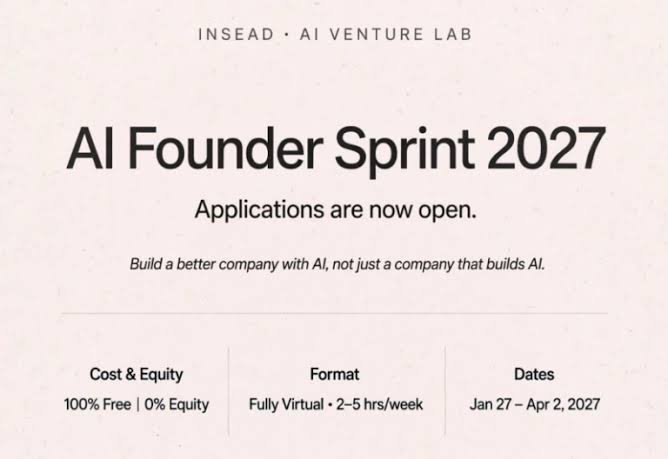
Applications are open for the AI Venture Lab Founder Sprint 2027, a free virtual entrepreneurship programme designed to help early stage founders build, test and scale their ventures using artificial intelligence. Organised by the INSEAD AI Venture Lab, the programme brings together entrepreneurs from different countries and industries for practical learning, expert guidance, mentorship and collaboration. The 10 week sprint is scheduled to run from January 27 to April 2, 2027. It is open to founders worldwide, including entrepreneurs who are still developing an idea, validating a business model or preparing an early product for the market. Applicants do not need to be affiliated with INSEAD or another academic institution, and their startups do not have to focus on developing AI products. The programme focuses on helping founders understand how AI can improve the way they build and operate a business. Participants will explore research backed venture building frameworks, experiment with AI tools, receive feedback from experienced professionals and learn from peers facing similar entrepreneurial challenges. About the Opportunity The AI Venture Lab Founder Sprint is the flagship programme of the INSEAD AI Venture Lab, an initiative focused on understanding and advancing AI powered entrepreneurship. It combines practical business development with research informed approaches to using artificial intelligence in venture creation. Over 10 weeks, selected founders work on their own ventures while participating in workshops, technical training, masterclasses, mentor sessions and peer learning activities. The programme encourages entrepreneurs to test assumptions, improve their products and business models, and make informed decisions about growth. The sprint is structured around several stages. The opening weeks focus on onboarding, peer group introductions and core venture building frameworks. The main development phase encourages founders to apply AI tools to their businesses with support from mentors and study groups. A dedicated venture capital week introduces participants to fundraising considerations and what investors look for in a company. The final weeks focus on testing ideas, refining business strategies and preparing for Demo Day. The programme does not require founders to leave their existing businesses or commit to full time participation. The expected workload varies by stage, allowing participants to continue working on their ventures alongside the sprint. Opportunity Benefits Selected founders can access the following benefits: • Free participation for the full 10 week programme. • No equity taken from participating startups. • Research backed frameworks for building, testing and scaling ventures. • Expert mentorship in entrepreneurship, AI strategy, product development and business growth. • Small study groups for practical experimentation with AI tools. • Masterclasses led by experienced entrepreneurs, investors and AI specialists. • Peer learning and weekly check ins with a curated international founder community. • Opportunities to receive feedback on business strategy and fundraising readiness. • Access to selected partner resources, credits and discounts. • Visibility through the programme’s final Demo Day activities. • Opportunities to connect with mentors, operators, investors and other members of the entrepreneurship ecosystem. The programme also indicates that non dilutive prize money will be available through Demo Day. The amount and specific award arrangements should be confirmed through the organisers. Programme Structure The Founder Sprint is organised into four main phases. • Onboarding, Weeks 1 and 2: Participants meet their peer groups, establish working routines and learn the core venture building frameworks. The expected commitment is approximately four to five hours per week. • Build, Weeks 3 to 7: Founders apply AI tools to their own ventures through study groups, masterclasses and mentor sessions. The expected commitment is approximately two to three hours per week. • Venture Capital Week, Week 8: Participants explore the fundraising landscape and the characteristics investors consider when assessing startups. Selected ventures may receive direct feedback from investors to help refine their pitches. • Testing and Refinement, Weeks 9 and 10: Founders improve their work using mentor feedback and prepare for the concluding Demo Day activities. The expected commitment is approximately two to three hours per week. Demo Day venues will be announced by the organisers. Eligibility Criteria Applicants should meet the following requirements: • Be at least 18 years old. • Be an early stage founder based anywhere in the world. • Be developing a startup, venture or business idea, from the initial ideation stage through early execution. • Ideally have a minimum viable product or an existing product, although ideas are also welcome. • Have a clear vision for the venture and a strong motivation to develop it. • Be willing to participate actively in the programme and apply the learning to their business. • Be able to participate in English. • Be interested in using AI to build, test or scale a venture. Required Application Information Applicants should prepare to explain their venture and entrepreneurial goals through the online application. Relevant information may include: • Details about the founder and their entrepreneurial background. • A description of the startup, business idea or venture. • The problem the venture intends to solve and the people it serves. • The current stage of development, including any existing product or minimum viable product. • The founder’s vision and motivation for participating. • How the programme could help the venture develop, test or scale. • The applicant’s availability and commitment to participating in the sprint. Applicants can consult the official application form and its accompanying preparation document for the exact questions and information requested. Selection Criteria The AI Venture Lab looks beyond the development stage of a startup when assessing potential participants. Its stated priorities include: • Clarity of vision and motivation. • The founder’s commitment to engaging fully with the programme. • The potential to apply AI and venture building methods to practical business challenges. • A diverse cohort across geographical regions, sectors and backgrounds. • The opportunity to make meaningful progress during the 10 week sprint. Having an established product may strengthen an application, but it is not an absolute requirement. Founders at the idea stage are also eligible to apply. How to Apply Interested applicants can follow these steps: Visit the