
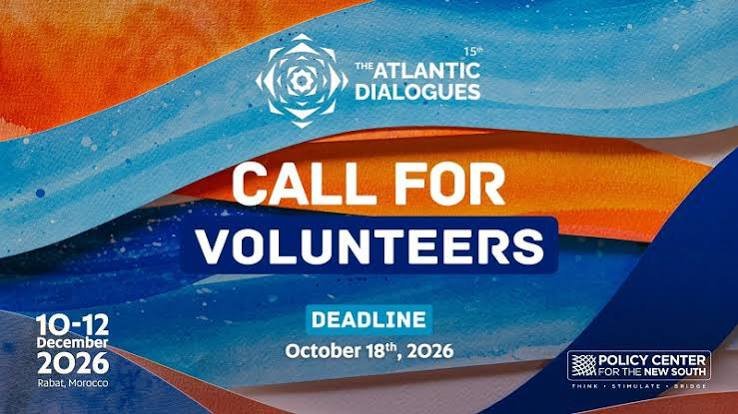
Applications are open for the Atlantic Dialogues Conference 2026 Volunteer Programme, an opportunity for motivated students and young professionals to gain practical experience supporting a major international policy conference. The Policy Center for the New South (PCNS), a Moroccan think tank focused on public policy and development across the Global South, is recruiting volunteers to assist with the 15th edition of the Atlantic Dialogues conference in Rabat, Morocco. The conference will take place from December 10 to December 12, 2026, bringing together senior government officials, business leaders, academics, media professionals and civil society representatives from Africa, Europe and the Americas. Through open discussions and exchanges, the event explores issues affecting the Atlantic Basin and promotes greater understanding between regions and across generations. The volunteer programme runs for eight days, from December 6 to December 13, 2026. Selected volunteers will work with the PCNS team before and during the conference, helping coordinate the activities that make an international policy gathering possible. The opportunity is particularly suitable for people interested in international relations, public policy, communications, event coordination and regional development. About the Opportunity The Atlantic Dialogues is an annual international conference organized by the Policy Center for the New South. Its purpose is to encourage candid, cross regional and cross sector discussions on political, economic, social and environmental developments affecting countries around the Atlantic Basin. The conference brings together participants from different professional backgrounds and geographical regions to share ideas, challenge established perspectives and explore practical responses to shared challenges. Discussions give particular attention to the role of the Global South and the importance of stronger connections between Africa, Europe and the Americas. The volunteer programme supports the practical delivery of this event. Volunteers work alongside the organizing team and contribute to conference preparation, coordination and communications. They are expected to remain available throughout the designated period, participate in the required orientation and team meetings, and demonstrate professionalism in their assigned responsibilities. The opportunity is unpaid and should not be confused with a salaried internship or a fully funded international placement. Accommodation may be arranged when necessary, but applicants should confirm any individual travel and accommodation requirements with the organizers before making plans. Opportunity Benefits • Practical experience supporting an international policy conference. • Exposure to discussions involving policymakers, academics, business leaders and civil society representatives. • Experience in event logistics, production, communications and media support. • Opportunities to work directly with the Policy Center for the New South team. • Greater understanding of international policy discussions and Atlantic regional affairs. • Opportunities to strengthen communication, teamwork, organization and problem solving skills. • Meals provided during the volunteering period. • Accommodation arrangements may be available based on individual need. • Exposure to professional standards for punctuality, reliability, respect and event coordination. Volunteer Responsibilities Selected volunteers will support the organizing team in preparing for and delivering the Atlantic Dialogues conference. Specific assignments may depend on the needs of the event and the volunteer’s skills. Responsibilities may include: • Assisting with logistical and administrative arrangements before and during the conference. • Supporting event production and coordination activities. • Contributing to communications and media related tasks. • Working with PCNS staff to help ensure conference activities run smoothly. • Attending the mandatory online orientation session before the volunteering period. • Participating in scheduled team meetings and following instructions from the organizing team. • Remaining available during the full eight day programme. • Maintaining professional conduct when interacting with staff, speakers, delegates and other volunteers. Eligibility Criteria Applicants should demonstrate motivation, reliability and a willingness to contribute to a high level international event. The official announcement particularly welcomes students and young professionals. Candidates should meet the following expectations: • Demonstrate fluency in English. • Have additional proficiency in French or Arabic where possible. • Possess strong communication skills. • Show an interest in the Atlantic region and its political, economic, social or environmental development. • Be willing to work flexible hours and assist with logistical and administrative responsibilities. • Demonstrate punctuality, reliability, respect and professionalism. • Be available throughout the volunteering period from December 6 to December 13, 2026. • Be able to attend the mandatory online orientation and all scheduled team meetings. • Have experience in event management if possible, although this is an advantage rather than a requirement. The announcement does not specify a strict nationality requirement or a particular age limit. Applicants should therefore consult the official application form for any additional information relevant to their circumstances. Required Application Materials Applicants must prepare and submit the following documents: • An updated curriculum vitae or resume. • A cover letter explaining their interest in volunteering and the contribution they could make to the conference. • A valid phone number included in their application documents. • An active email address for communication about the application and interview process. Applicants should ensure that their documents clearly present their relevant experience, communication abilities, language skills and interest in international affairs or event support. Selection Criteria The organizers are looking for applicants who can contribute reliably to conference preparation and delivery. While previous event management experience is useful, it is not compulsory. Applications are likely to be assessed in light of the following stated requirements: • English fluency and additional language skills where available. • Communication abilities and willingness to work with a team. • Interest in regional and international development issues. • Availability throughout the entire volunteering period. • Readiness to support flexible logistical, administrative, production, communications or media tasks. • Professionalism, punctuality and reliability. Interviews are expected to take place shortly after the application deadline. The organizers state that applicants will be notified of the decision no later than December 10, 2026. How to Apply Visit the official opportunity page. Review the volunteer announcement published by the Policy Center for the New South and confirm the dates and participation requirements. Prepare your resume. Update your CV with your education, relevant work or volunteer experience, language abilities and skills related to communication, coordination, media or

World Economic Forum Technology Pioneers 2027
Applications are open for the World Economic Forum Technology Pioneers 2027, a global opportunity for innovative companies developing technologies and business models with the potential to address major challenges facing society and the planet. The initiative brings selected entrepreneurs into an international community where they can exchange ideas, contribute expertise and engage with influential leaders from business, government, academia and civil society. The programme is organised by the World Economic Forum, an international organisation that provides a platform for cooperation between leaders across different sectors. Established in 2000, the Technology Pioneers community recognises promising companies that are designing, developing and deploying technologies with the potential to transform industries and create meaningful social or economic impact. Each year, the Forum selects approximately 100 companies to join the community for a two year period. Selected companies gain opportunities to participate in relevant Forum meetings, workshops, innovation discussions and gatherings for members of the Innovator Communities. They can also contribute perspectives on emerging technologies and their implications for industries, governments, communities and the wider world. About the Opportunity The Technology Pioneers community aims to give emerging technology companies a voice in conversations about the future of business and society. Through engagement with the World Economic Forum, selected companies can share their expertise, contribute to discussions about technological change and connect with people working on global challenges. The initiative recognises innovation across a broad range of fields, including artificial intelligence, information technology, healthcare, life sciences, energy, environmental sustainability and other areas where technology can produce meaningful change. Participation lasts two years. Chief executives should expect to dedicate at least five hours per quarter to engagement with the Forum and attend at least one global event each year during their tenure. Invitations to specific meetings depend on the event and its relevance to the company. Selection does not automatically guarantee an invitation to the World Economic Forum Annual Meeting in Davos. Opportunity Benefits Selected Technology Pioneers can access the following benefits: • Membership in a global community of innovative technology companies. • Opportunities to interact with business leaders, scientists, academics, government representatives and other innovators. • Invitations to relevant World Economic Forum meetings, workshops and events. • Opportunities to contribute to discussions and workstreams addressing global challenges. • Greater visibility through the Forum’s communications and media platforms. • Opportunities to exchange knowledge, build relationships and explore potential collaborations. • A platform to share expertise on emerging technologies and their wider implications. • Participation in tailored gatherings for members of the Forum’s Innovator Communities. The programme is primarily a recognition, networking and engagement opportunity. Applicants should not assume that selection includes a cash grant, investment, travel funding or automatic access to every World Economic Forum event. Eligibility Criteria Companies applying for the Technology Pioneers 2027 cohort should meet the programme’s requirements. • The applicant must be a company developing and bringing an innovative technology or business model to market. • The technology or business model should have the potential to generate substantial, long term positive impact on society or the planet. • The company must be less than 10 years old. • The company must be independent and privately held. • According to the current opportunity announcement, the company must have received Series A funding of at least US$10 million. • The company should demonstrate strong leadership and the capacity to contribute time and expertise to the Forum’s work. • The company should have a credible growth trajectory and a business model that supports its innovation. • The company should demonstrate potential for meaningful impact within its sector and beyond. Selection Criteria Applications are assessed on the company’s ability to demonstrate both technological innovation and a realistic path towards impact. • Innovation: The company offers a distinctive technology or business model and demonstrates leadership in its field. • Impact: The solution has the potential to make a substantial, long term contribution to business or society. • Company development: The company meets the age and ownership requirements and demonstrates growth potential. • Leadership: The leadership team has a clear vision and can contribute expertise to the Forum’s activities. • Funding: The company has secured an appropriate level of early growth funding. • Valuation: The company aligns with the Forum’s published valuation criteria. Required Application Information Applicants should be prepared to provide accurate information about their company and its development. This may include: • Company background and founding details. • Description of the technology, product or business model. • Explanation of the problem the company addresses. • Evidence of innovation and differentiation from existing solutions. • Information about the company’s impact and growth potential. • Details of funding received and current business development. • Information about the leadership team and its relevant experience. • Other company information requested through the official application portal. The World Economic Forum states that information submitted by applicants is treated confidentially and used to assess their suitability for the community. How to Apply Review the official programme information. Visit the World Economic Forum’s Technology Pioneers pages and read the eligibility requirements and selection criteria carefully. Assess your company’s readiness. Confirm that the company meets the age, ownership and funding requirements and can demonstrate a market ready innovation with meaningful impact potential. Prepare your company information. Gather accurate details about the technology, business model, funding, leadership, growth and impact. Complete the online application. Access the application through the official World Economic Forum Technology Pioneers programme page and provide all requested information. Check your submission. Ensure that the application is complete, consistent and supported by clear information before submitting it. Submit before the deadline. Applications for the 2027 cohort close on January 31, 2027. Incomplete application sessions may only be retained for one week after the last activity, after which applicants may need to restart the process.
IFIP Global Conference 2027 Scholarship for Indigenous Leaders
Applications are open for the International Funders for Indigenous Peoples (IFIP) Global Conference 2027 Scholarship, an international opportunity designed to help Indigenous leaders, community members and changemakers participate in a global gathering in Darwin, Northern Territory, Australia. The scholarship aims to strengthen Indigenous representation in international discussions and support the exchange of knowledge, experiences and community led solutions. The scholarship is organised by the International Funders for Indigenous Peoples, a global network focused on advancing Indigenous philanthropy and improving the flow of resources toward Indigenous communities, organisations and priorities. The 2027 conference will bring together Indigenous leaders, funders, donors, Indigenous led funds, impact investors, development agencies and other allies to explore how resources can be directed more equitably toward Indigenous priorities. The main conference will take place from April 28 to April 30, 2027, in Darwin, Australia. Scholarship recipients are expected to arrive on April 27 and depart on May 1, 2027. The wider programme includes pre conference activities and community visits, creating opportunities for participants to learn from different Indigenous experiences and build relationships with people working on related issues around the world. About the Opportunity The IFIP Global Conference 2027 will focus on strengthening Indigenous leadership and supporting more equitable approaches to funding Indigenous communities. It will provide a platform for Indigenous participants and their allies to discuss how philanthropy, investment and other funding mechanisms can better support Indigenous led priorities, organisations, economies and solutions. The conference will take place in Darwin on Larrakia Country, offering an opportunity to engage with the connections between Indigenous Peoples, land, waters, culture, knowledge, livelihoods and ecological systems. Participants will be able to exchange perspectives on community development, Indigenous rights, environmental sustainability, biodiversity, Indigenous knowledge and the future of Indigenous leadership. The scholarship is intended for people who are already engaged in their communities, organisations, networks or Indigenous led initiatives. Successful applicants should be prepared to contribute their knowledge and experiences during the conference and share useful insights with their communities when they return home. Scholarship recipients will also be expected to participate actively in sessions and networking activities and submit a post conference report describing their experience, key learning outcomes and plans for applying or sharing the knowledge gained. Opportunity Benefits Selected scholarship recipients will receive support for the specified expenses associated with attending the conference. • Conference registration fee. • Hotel accommodation for the conference dates from April 27 to April 30, 2027, according to the published scholarship arrangements. • Return economy class airfare from the participant’s nearest international airport to Darwin, Australia. • Airport transfers and local transportation in the participant’s home country and in Australia. • Australian visa fee, where applicable. • Meals provided during the conference. • Food allowance for travel days based on IFIP per diem rates. • Travel and health insurance. • Opportunities to exchange knowledge with Indigenous leaders, community representatives, funders and international development practitioners. • Opportunities to establish professional relationships and strengthen connections with Indigenous organisations and networks across different regions. • A platform to share community experiences, discuss Indigenous led solutions and contribute to conversations about equitable funding. Scholarship support is limited to the expenses specified by the organiser. Applicants should review the official scholarship information and confirm any individual arrangements before making travel plans. IFIP has indicated that the number of scholarships awarded will depend on available fundraising. Conference Themes The scholarship welcomes applicants whose work, interests or community activities connect with the conference themes and related areas. • Indigenous leadership and community development. • Indigenous philanthropy and funding approaches. • Indigenous rights and the protection of Indigenous territories. • Climate action, biodiversity and environmental sustainability. • Indigenous knowledge and community based solutions. • Gender equality and disability inclusion. • Youth leadership and participation. • Transformative approaches to resourcing Indigenous communities. Applicants should explain how their experience relates to these themes and what they hope to contribute to discussions during the conference. Eligibility Criteria Applicants must meet the scholarship requirements established by IFIP. • Identify as Indigenous and be actively engaged in an Indigenous community, organisation or Indigenous led initiative. • Be based in or come from an eligible region: Africa, Asia and the Pacific, or Latin America. • Demonstrate an interest in or active involvement in issues related to Indigenous leadership, community development, philanthropy, funding, Indigenous rights, climate, biodiversity, Indigenous knowledge, Indigenous territories, gender equality, disability inclusion or youth leadership. • Show a commitment to contributing to their communities and advancing Indigenous led solutions. • Be available to participate in the full main conference from April 28 to April 30, 2027. • Be able to travel internationally and hold a valid passport. • Meet the relevant Australian visa and entry requirements. • Be able to provide endorsement from a community, organisation or affiliated network. Indigenous youth and Indigenous persons with disabilities are particularly encouraged to apply. Applicants should demonstrate meaningful community engagement rather than relying solely on general interest in the conference themes. Selection Criteria Applications will be assessed according to the applicant’s experience, relevance to the conference and potential to contribute to their community after the event. • Alignment with conference themes: Applicants should demonstrate a clear connection to Indigenous philanthropy, equitable resourcing or other relevant conference priorities. • Community involvement: The selection team will consider active participation in an Indigenous community, organisation, network or Indigenous led initiative and evidence of meaningful contributions. • Learning and contribution goals: Applicants should explain what they hope to learn, what perspectives they can share and how they intend to participate in conference discussions. • Community impact: Applicants should present a clear plan for sharing and applying the knowledge, connections and insights gained through the conference. • Regional representation: The selection process will consider diversity across eligible regions. • Community or organisational endorsement: Applicants must be able to provide endorsement from a relevant community, organisation or affiliated network. Required Application Information Applicants should prepare the information needed to explain their background, community engagement and reasons for attending. The organiser’s published scholarship page
Royal Society Dorothy Hodgkin Fellowship 2027
The Royal Society Dorothy Hodgkin Fellowship 2027 offers an opportunity for outstanding early career researchers to establish independent research careers in the United Kingdom. The fellowship supports scientists with strong research ideas who are ready to develop their own research programmes while requiring flexible working arrangements because of personal circumstances. Organised by the Royal Society, the fellowship is designed to help talented researchers progress towards research leadership. It provides long term financial support, opportunities to pursue innovative scientific questions, and professional development that can help fellows build independent research groups at UK universities and research institutions. The programme is particularly relevant to researchers whose personal circumstances create an ongoing need for flexibility in their working arrangements. Examples include individuals with caring responsibilities or a clinically diagnosed health condition. The fellowship recognises that researchers should be able to pursue ambitious scientific careers while managing circumstances that affect their working patterns. About the Opportunity The Dorothy Hodgkin Fellowship is a research career development scheme established to help outstanding scientists build independent research careers while receiving the flexibility they need to manage personal circumstances. It is intended for researchers at an early stage of their postdoctoral careers who have the potential to become leaders in their scientific fields. The fellowship gives successful applicants the opportunity to develop and pursue their own research programmes at a UK university or research institution. Rather than focusing only on short term research outputs, the programme provides a longer period of support to help researchers establish a clear scientific direction, strengthen their research independence and develop leadership skills. Research proposals must fall within the Royal Society’s remit of natural sciences. Supported areas include biological sciences, chemistry, engineering, mathematics and physics. Applicants should check the Society’s full list of supported subjects before preparing their proposals. An important feature of the fellowship is its flexibility. Researchers may need part time working arrangements or extended periods of leave because of health or caring responsibilities. The programme aims to accommodate these circumstances while enabling fellows to continue building their research careers. Fellowship Benefits Successful applicants may receive the following benefits: • Funding of up to £1,907,400 over a maximum of eight years. • Support to establish and develop an independent research programme. • Freedom to pursue innovative scientific questions within the Royal Society’s research remit. • Flexibility to accommodate relevant personal circumstances, including part time working where appropriate. • Support for extended leave periods related to health or caring responsibilities, subject to the fellowship conditions. • Tailored career development opportunities. • Mentoring and professional engagement activities. • Access to a community of research fellows. • Opportunities to develop professional networks and strengthen research leadership skills. Research Areas The fellowship supports proposals within the Royal Society’s natural sciences remit. Relevant areas include: • Biological sciences. • Chemistry. • Engineering. • Mathematics. • Physics. • Other eligible areas of natural science recognised by the Royal Society. Eligibility Criteria Applicants must meet the fellowship’s eligibility conditions, including the requirement for an ongoing need for flexible support. • Applicants must be at an early stage of their postdoctoral research career. • Candidates must have completed a PhD or have no more than six years of actual research experience since completing their PhD by the application deadline. Career breaks and part time research experience are taken into account under the scheme rules. • Applicants must demonstrate a current and ongoing need for flexibility because of personal circumstances. Examples include primary caring responsibilities or a clinically diagnosed health condition. • Candidates must not hold a permanent position, including a proleptic position, at a university or not for profit research organisation. • Applicants must not currently hold or previously have held an equivalent fellowship that provides the opportunity to establish an independent research group. • Proposed research must fall within the Royal Society’s remit of natural sciences. • Applicants of all nationalities are eligible to apply. • Candidates must be prepared to undertake the fellowship at an eligible UK university or research institution. Required Application Materials Applicants should consult the official scheme notes and online application form for the complete requirements. The fellowship application includes the research proposal and associated funding information. Candidates should prepare to provide: • A research proposal explaining the scientific question, objectives and planned research. • A research plan that demonstrates the potential to develop an independent research programme. • Proposed fellowship costs covering the planned eight year period. • Information requested through the Royal Society’s Flexi Grant application system. • Any supporting information required by the official scheme guidance. Applicants should explain their research plans clearly and ensure that the proposed work falls within the Society’s supported subject areas. Information about the personal circumstances creating a need for flexible support should be provided through the designated section of the application form. The Royal Society advises applicants not to include this information in their personal statement. Selection Criteria Applications are checked for eligibility by the Royal Society Grants team and assessed by the Dorothy Hodgkin Fellowships Selection Committee. The assessment process begins with reviews by panel members whose scientific expertise is relevant to the proposed research. A longlist is then developed, and shortlisted applications may proceed to independent peer review. The selection panel considers the reviews before deciding which candidates to invite for interview. Applicants should therefore demonstrate the quality and originality of their research ideas, their potential to develop an independent research career, and the suitability of their proposed work for the fellowship. How to Apply Review the official fellowship guidance. Visit the Royal Society website and read the Dorothy Hodgkin Fellowship scheme notes and funding guidance carefully. Confirm your eligibility. Check your postdoctoral experience, employment status, research area and ongoing need for flexible support. Develop your research proposal. Prepare a clear plan that explains your scientific objectives and how the fellowship would support your development as an independent researcher. Prepare the funding information. Review the scheme’s cost requirements and prepare the proposed fellowship budget for the relevant period. Complete the online application.
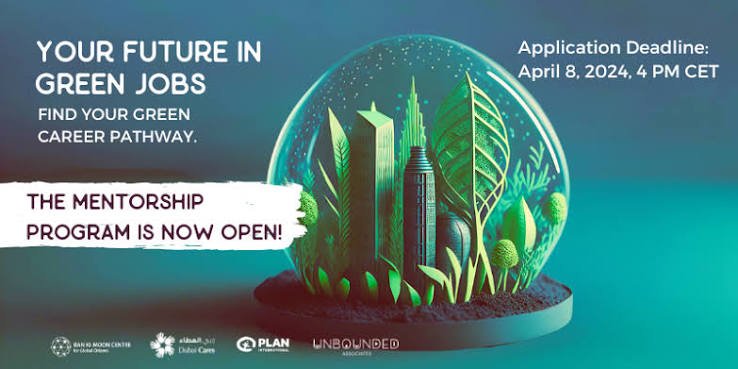
BKMF Your Future in Green Jobs Mentorship Program 2026
Applications are open for the Ban Ki moon Foundation Your Future in Green Jobs Mentorship Program 2026, an international opportunity designed to help young people explore sustainable career pathways, develop practical skills, and contribute to climate action in their communities. The programme is organised by the Ban Ki moon Foundation (BKMF), in collaboration with Dubai Cares, Plan International, and Unbounded Associates. The initiative is designed for young people aged 14 to 20 who are interested in sustainability, environmental protection, climate action, and the future of green employment. It builds on the foundation provided by the Your Future in Green Jobs Online Course and gives selected participants an opportunity to work directly with experienced professionals in the green jobs sector. Through expert workshops, personalised mentorship, and practical project development, participants will learn how their interests and abilities can contribute to a more sustainable future. They will also develop their own Changemaker Projects, which are intended to address one or more United Nations Sustainable Development Goals (SDGs) within their local communities. About the Opportunity The Your Future in Green Jobs Mentorship Program is an action based youth development initiative that connects young people’s interests, skills, and ambitions with emerging opportunities in the green economy. Green jobs include careers and professional activities that help protect the environment, reduce climate impacts, improve resource efficiency, and support sustainable economic development. The programme recognises that young people can contribute to climate solutions when they have access to relevant knowledge, professional guidance, and opportunities to take practical action. Rather than focusing only on classroom learning, the mentorship experience encourages participants to develop a community project and apply what they learn to a real world challenge. The programme is supported by a free, self paced online course consisting of six modules. The course introduces learners to climate change, green careers, personal strengths, relevant skills, entrepreneurship, and possible pathways into sustainable employment. Applicants are expected to complete this course before joining the mentorship programme. However, those who have not completed it at the time of applying can still do so before the programme begins. Opportunity Benefits Selected participants will have the opportunity to: • Develop a deeper understanding of green jobs and the skills required to pursue sustainable careers. • Receive individual mentorship from professionals working in green jobs and sustainability. • Participate in expert workshops covering project management, pitching, and presentation skills. • Explore subjects connected to climate action, education, and gender. • Design and implement a Changemaker Project that addresses one or more Sustainable Development Goals in their community. • Receive guidance from mentors, BKMF representatives, and programme trainers throughout project development. • Develop practical project management, communication, and networking skills. • Build connections with other young changemakers and professionals interested in sustainability. • Identify practical next steps towards their preferred green career pathway. • Strengthen their ability to turn environmental concerns into achievable community initiatives. The mentorship programme does not list a cash stipend or salary as a participant benefit. Its principal value is the professional guidance, practical experience, workshops, and support provided to young people exploring green careers. Programme Activities and Timeline The programme combines virtual learning, expert engagement, and project implementation. • November 2026: Announcement of selection results and initial communication with selected participants. • December 2026: Online kick off ceremony introducing participants to the programme. • January to March 2027: Virtual expert workshops covering relevant professional and project development skills. • February to June 2027: Development and implementation of Changemaker Projects, supported by regular online meetings with mentors and programme check ins. • June 2027: Online graduation ceremony. Participants should be prepared to engage in live online workshops and maintain communication with their mentors while implementing their projects. Eligibility Criteria Applicants should meet the following requirements: • Be between 14 and 20 years old. • Have successfully completed the Your Future in Green Jobs Online Course, or be prepared to complete it before the programme kick off. • Demonstrate a genuine interest in sustainable development, climate action, and green careers. • Show enthusiasm for creating positive change at the local or global level. • Have upper intermediate English language skills to participate effectively in online sessions. • Have access to a stable internet connection. • Be able to participate in online meetings and programme activities from December 2026 to June 2027. • Be willing to develop and implement a Changemaker Project that addresses a relevant community challenge. Applications are accepted from all countries, provided applicants can participate in the online programme. Required Application Materials Applicants should prepare the following information and materials: • Personal information, including name, contact details, date of birth, address, and citizenship. • Educational background and language proficiency. • A short personal profile. • Information about professional interests and future career aspirations. • A motivation statement explaining why they want to participate. • A description of the issues they are passionate about addressing. • Initial ideas for a Changemaker Project. • A recent portrait photograph in JPEG or PNG format. • An introduction video of no more than one minute in MP4 or MOV format. • A simple CV, which is optional. Applicants should ensure that their personal details and application materials are accurate and that their introduction video follows the specified duration and file format. How to Apply Visit the official programme page. Read the information about the Your Future in Green Jobs Mentorship Program and review the eligibility requirements. Complete the online course. Access the free Your Future in Green Jobs Online Course and work through its six modules. If you have not completed the course before applying, plan to finish it before the December 2026 kick off. A completion certificate can strengthen your application. Prepare your application information. Gather your personal details, educational information, career interests, motivation, and initial Changemaker Project ideas. Prepare the required attachments. Upload a suitable portrait photograph and record an introduction video of no more than one minute. Include your CV if you wish. Submit your application online. Complete the official application
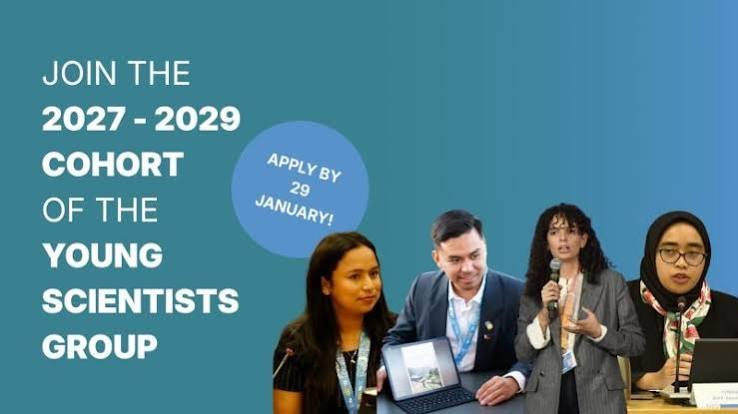
World Food Forum Young Scientists Group 2027 to 2029
Applications are open for the World Food Forum (WFF) Young Scientists Group 2027 to 2029, an international opportunity for emerging researchers who want to contribute scientific evidence and technical knowledge to youth led efforts to transform global agrifood systems. The Young Scientists Group was launched in 2022 as part of the World Food Forum Youth Initiative. It brings together young researchers from different disciplines and regions to help ensure that youth programmes, policy discussions and proposed actions are informed by credible scientific research. Members contribute to the work of the Youth Assembly, Youth Innovation Lab and Youth Education Programme. The group operates in two year cohorts and investigates technical issues that matter to young people in the context of food systems transformation. Its work also contributes to a biennial report addressing priority issues affecting young people and the future of agrifood systems. About the Opportunity The World Food Forum is a youth focused initiative associated with the Food and Agriculture Organization of the United Nations. Its Youth Initiative seeks to involve young people in shaping more sustainable, inclusive and resilient agrifood systems. The Young Scientists Group provides the scientific foundation for this work. Members help identify emerging issues, examine technical questions and contribute evidence that can support youth priorities and action oriented proposals. The group also offers scientific perspectives on relevant documents and statements developed through youth engagement activities. Its approach aligns with the FAO Four Betters: better production, better nutrition, a better environment and a better life. These broad goals guide efforts to improve food production, nutrition outcomes, environmental sustainability and livelihoods. The group draws on scientific expertise, academic networks and relevant partnerships. Its work sits at the intersection of research, youth participation and policy, allowing emerging researchers to contribute to discussions about how agrifood systems can better serve people and the planet. Opportunity Benefits • Opportunity to contribute scientific evidence to an international youth initiative. • Experience connecting research with policy discussions and practical proposals. • Opportunity to support the World Food Forum Youth Assembly, Youth Innovation Lab and Youth Education Programme. • Contribution to research outputs and a biennial report on youth priorities in agrifood systems transformation. • Engagement with researchers and relevant academic networks across disciplines and regions. • Opportunity to share scientific perspectives on issues affecting food systems and young people. • Experience working at the intersection of science, youth engagement and policy. Note: The published call does not specify a stipend, salary or comprehensive financial support package. Applicants should not assume that participation is paid or fully funded. Programme Areas The Young Scientists Group’s work is guided by the FAO Four Betters and the programme priorities identified through the World Food Forum Youth Initiative. • Better production: Scientific perspectives on improving food production and supporting more sustainable agrifood systems. • Better nutrition: Evidence related to nutrition and the role of food systems in supporting healthier populations. • Better environment: Research relevant to environmental sustainability and the effects of agrifood systems on the planet. • Better life: Evidence that can help improve livelihoods and the wellbeing of communities. • Youth focused agrifood research: Technical issues that matter to young people and their participation in transforming food systems. • Science informed policy: Research contributions that support youth consultations, formal scientific opinions and action oriented proposals. These areas describe the group’s broad direction. Applicants should consult the official call and its terms of reference for the specific responsibilities and expectations of the 2027 to 2029 cohort. Eligibility Criteria Applicants must meet the following requirements: • Be between 18 and 35 years old as of December 31, 2028. • Have graduated from a graduate degree programme or be enrolled in one by the time of application. Eligible graduate programmes include a master’s degree or PhD. • Demonstrate proficiency in spoken and written English. • Be able to dedicate up to 20 hours per month to the group’s activities. • Not be an employee of the Food and Agriculture Organization of the United Nations. • Not be an immediate family member of an FAO employee. Applicants should ensure that they can meet the time commitment alongside their academic, research or professional responsibilities. The group requires members to contribute actively to its work, rather than participate only as observers. Required Application Materials The application information published by Opportunity Desk identifies an updated curriculum vitae as a required document. Applicants should prepare a CV that highlights relevant academic, research, professional and voluntary experience. • An updated curriculum vitae. • Major research, innovation or professional initiatives undertaken. • Contributions made to relevant projects or activities. • Scientific publications and other research products. • Presentations delivered at conferences and seminars. • Relevant soft skills. • Additional volunteer and professional experience. • Previous international experience, where applicable. Applicants should present their experience clearly and accurately. Research outputs, publications, presentations and relevant contributions should be listed in a way that helps reviewers understand the applicant’s expertise and potential contribution to the group. Selection Considerations The published eligibility requirements establish the minimum conditions for applying. Candidates should also ensure that their CV provides a clear picture of their research experience, scientific contributions and ability to work with others. Relevant publications, research products, presentations and innovation initiatives can help demonstrate experience. Applicants should explain their contributions truthfully and distinguish completed work from ongoing projects. Because the group contributes scientific evidence to youth programmes and policy discussions, candidates should be ready to connect their expertise with broader questions affecting agrifood systems and young people. Applicants should also consider whether they can sustain the required monthly time commitment for the duration of the cohort. The official call and terms of reference should be consulted for any additional selection procedures or expectations that may apply. How to Apply Review the official call. Visit the World Food Forum Young Scientists Group page and read the information for the 2027 to 2029 cohort. Check your eligibility. Confirm that you meet the age, graduate education, English proficiency and availability requirements, and that

UN Youth Townhall 2026 in Germany
The United Nations Youth Office has opened a call for contributions to the first United Nations Youth Townhall, scheduled to take place from December 8 to December 10, 2026, in Heidelberg, Germany. The initiative aims to strengthen meaningful youth participation in decision making by bringing young people together with policymakers, government representatives, United Nations entities, civil society organisations, researchers, entrepreneurs and other stakeholders. The Townhall is designed to create an institutional space where young people can exchange ideas with decision makers, discuss major global challenges and contribute to practical solutions. It will focus on sustainable development, peace and security, human rights, intergenerational partnerships and stronger collaboration between organisations working on youth priorities. The current call is specifically intended for United Nations entities, offices, teams, United Nations Country Teams and relevant multi stakeholder initiatives involving the United Nations. Participating institutions can express interest in organising interactive sessions, joining the Global Youth Fair, providing experts and speakers, or offering other forms of support that contribute to the event. About the Opportunity The UN Youth Townhall is being led by the United Nations Youth Office and developed through the extended Joint Working Group on Youth2030. It seeks to improve cooperation between young people and institutions responsible for policy development, public services and international cooperation. Young people are already contributing to community development, entrepreneurship, advocacy, innovation, peacebuilding and public policy. However, their participation in formal decision making can be limited by barriers to access, representation and collaboration. The Townhall seeks to help address these challenges by creating opportunities for direct engagement between youth and institutional leaders. The event will bring together more than 1,000 participants, including young leaders, representatives of youth led organisations and movements, public sector leaders, entrepreneurs, innovators, researchers and representatives of governments, the United Nations, academia, civil society and the private sector. The programme is connected to major United Nations frameworks, including the Sustainable Development Goals, the Pact for the Future, Youth2030 and the UN Youth Compass. These frameworks provide a foundation for discussions about youth participation, global cooperation and practical responses to shared challenges. Opportunity Benefits Participating institutions can contribute to the Townhall in several ways. • Institutional visibility: Present relevant programmes, initiatives, research and experience to an international audience. • Youth engagement: Create opportunities for young people to interact directly with experts, policymakers and decision makers. • Knowledge exchange: Share practical approaches, lessons and evidence from work related to youth development and global priorities. • Partnership building: Connect with organisations and stakeholders working on similar challenges across different sectors and regions. • Contribution to global priorities: Help shape discussions around sustainable development, peace and security, human rights and youth participation. • Programme development: Collaborate with the Townhall organisers on sessions, exhibitions, speaker contributions and other activities. • Intergenerational cooperation: Encourage collaboration between younger generations and established institutions. The call does not specify a financial award or travel funding package for contributing institutions. Organisations should therefore confirm any relevant participation costs and arrangements directly with the organisers. Areas of Contribution Interested United Nations entities and initiatives can propose contributions in the following areas. • Interactive sessions: Design and deliver sessions that encourage discussion, participation and direct engagement between young people and institutional representatives. • Global Youth Fair: Showcase programmes, partnerships, projects and approaches that support youth participation and development. • Expert and speaker contributions: Provide specialists, speakers or other knowledgeable representatives who can contribute to discussions and share relevant experience. • Other forms of support: Propose additional contributions that could help deliver the Townhall and advance its objectives. Proposed activities should support meaningful youth participation and connect with the wider aims of the event. Organisations may draw on their existing programmes, expertise and partnerships when developing their proposals. Key Themes The Townhall will provide space for discussion and collaboration across several important areas. • Sustainable development: Exploring how youth engagement can contribute to the Sustainable Development Goals and community development. • Peace and security: Highlighting young people’s roles in peacebuilding, dialogue, conflict prevention and community resilience. • Human rights: Supporting youth participation in rights based advocacy, policy discussions and efforts to promote inclusion. • Youth participation in decision making: Strengthening opportunities for young people to influence decisions that affect their communities and futures. • Intergenerational partnerships: Connecting youth perspectives and innovation with institutional knowledge and policy experience. • Global cooperation: Encouraging organisations working on youth issues to coordinate their efforts and identify opportunities for joint action. Eligibility Criteria The call is intended for institutional contributors within the United Nations system and relevant initiatives involving the United Nations. Potential contributors identified in the announcement include: • United Nations entities and offices. • United Nations teams operating at global, regional or country level. • United Nations Country Teams. • Relevant multi stakeholder initiatives involving the United Nations. • Institutional teams interested in delivering sessions, contributing to the Global Youth Fair, providing speakers or experts, or offering other relevant support. This call does not establish an individual age, nationality or academic qualification requirement because it is directed at institutional participation rather than individual youth applications. Required Application Information The expression of interest form requests information about the participating institution and its designated focal point. Applicants should be prepared to provide: • Name of the United Nations entity, office or team. • Division, department or office. • Country, region or global level of operation. • Full name of the institutional focal point. • Job title of the focal point. • Email address of the focal point. The form contains six sections and is estimated to take approximately 20 minutes to complete. Institutions should identify an appropriate contact person and decide what type of contribution they wish to propose before starting the process. Selection and Next Steps Submitting an expression of interest allows an institution to indicate its interest in contributing to the Townhall. It does not automatically confirm participation. According to the announcement, selected contributors will be contacted about the next steps. These may involve developing detailed session concepts, arranging participation in the

Lilly Endowment Serving Neighbors Grant 2027: Apply for Planning Grants of Up to $50,000 and Implementation Grants of Up to $5 Million
Lilly Endowment Inc. has launched the Serving Neighbors Through Congregational Collaborations Initiative, a grant opportunity designed to help Christian congregations and charitable organizations work together to address community needs across the United States. The initiative aims to improve the quality of life of individuals and families while strengthening congregational vitality through practical acts of service, compassion and care. The initiative provides a two stage funding process. During the first stage, eligible charitable organizations can submit concept papers for consideration for planning grants of up to US$50,000. Organizations selected at this stage will have the opportunity to refine their proposed programmes and prepare more detailed implementation plans. In the second stage, invited organizations may apply for implementation grants of up to US$5 million each. Lilly Endowment anticipates supporting approximately 60 organizations through implementation grants. The larger grants may support programmes lasting up to four years. However, receiving a planning grant does not guarantee an implementation grant, as organizations must submit a separate proposal and pass the second stage of the selection process. About the Opportunity The Serving Neighbors Through Congregational Collaborations Initiative is administered by Lilly Endowment Inc., a private philanthropic foundation based in Indianapolis, Indiana. The foundation supports work in community development, education and youth, and religion. The initiative recognizes that Christian congregations and charitable organizations often have complementary strengths. Congregations may have established relationships with residents, local volunteers and community networks, while charitable organizations may have specialist knowledge, service delivery experience and the capacity to address particular social challenges. By encouraging these groups to work together, the initiative seeks to help communities identify pressing needs, establish meaningful partnerships and develop coordinated responses. Rather than simply funding an individual church’s existing activities, the programme emphasizes collaboration that can benefit multiple congregations and community organizations. Proposed programmes should advance two connected goals: improving the quality of life of individuals and families, and providing opportunities for Christians to practise their faith through service to their neighbours. Opportunity Benefits • Planning grants: Eligible organizations selected during the first stage may receive up to US$50,000 to develop their programme concepts and prepare implementation proposals. • Implementation grants: Organizations invited to the second stage may apply for grants of up to US$5 million. • Longer term programme support: Implementation grants may support approved programmes for up to four years. • Partnership development: The initiative supports stronger working relationships between Christian congregations and charitable organizations. • Community impact: Funding can help partners develop coordinated responses to local social needs and improve services for individuals and families. • Programme planning: Planning grants may support community consultations, research, partnership meetings, programme design and preparation of implementation proposals. • Organizational capacity: The initiative encourages participating organizations to strengthen their ability to coordinate collaborative programmes and sustain successful partnerships. • Potential for wider reach: Organizations may develop approaches that connect multiple congregations and community service providers rather than operating isolated activities. Funding amounts represent maximum awards and are not guaranteed. Organizations must meet eligibility requirements and compete through the relevant application stage. Programme Areas Proposed initiatives should respond to genuine community needs and demonstrate how congregations and charitable organizations will work together. Potential areas include: • Food security: Collaborative efforts to address hunger and improve access to food resources. • Youth development: After school activities, mentoring, youth services and educational enrichment. • Support for vulnerable families: Coordinated assistance that connects families with relevant services and community resources. • Violence prevention and response: Joint work addressing domestic violence and other community safety concerns. • Mental health and well being: Community based support and activities that contribute to individual and family well being. • Homelessness related services: Collaborative approaches that connect people with appropriate support services. • Arts and cultural activities: Initiatives that expand community access to arts, culture and recreational opportunities. • Parks and outdoor recreation: Community beautification, park improvement and activities that strengthen neighbourhood relationships. • Community engagement: Activities that help residents, congregations and local organizations identify priorities and work toward shared solutions. The initiative excludes concepts focused on affordable housing and other property related challenges. Applicants should consult the official Request for Concept Papers for the complete requirements and exclusions. Eligibility Criteria The initiative is not an unrestricted international grant programme. Applicants must meet the relevant United States charitable status and organizational requirements. Potential applicants should meet the following conditions: • Be an eligible charitable organization with qualifying tax exempt public charity status under Section 501(c)(3) of the United States Internal Revenue Code. • Have the knowledge and capacity to work effectively with groups of Christian congregations and local charitable organizations. • Be positioned to coordinate or support collaborative programmes addressing community needs. • Demonstrate relevant experience, relationships or capacity for community engagement and partnership development. • Propose a programme aligned with the initiative’s objectives of improving community well being and strengthening congregational vitality. • Identify the community needs the programme will address and explain how participating organizations will collaborate. • Present a realistic concept that can be developed during the planning period and potentially implemented over the proposed programme period. Potentially eligible applicants include national and regional denominational agencies, faith based service organizations, church associations and networks, theological schools, church related colleges and universities, and national or regional community development organizations. Individual churches and local charitable organizations seeking direct funding for their own existing programmes are not eligible to apply independently under this initiative. They may explore participating in a collaborative programme led by an eligible applicant organization. Organizations based outside the United States should not assume that their local nonprofit registration qualifies them. The initiative requires compliance with specific United States charitable status conditions. Required Application Materials Applicants must prepare a concept paper and supporting organizational documents. The materials must be arranged in the order specified by Lilly Endowment and combined into a single PDF for online submission. Required materials include: • Official request letter: A one page letter signed by the organization’s chief executive officer and the chair of its governing board. • Concept Paper

UNDP Africa Pan African MineTech Exploration Technology Pre Incubation Programme 2027
Applications are open for the UNDP Africa Pan African MineTech Exploration Technology Pre Incubation Programme 2027, an initiative supporting young innovators and multidisciplinary teams developing technology solutions for mining and mineral exploration challenges across Africa. The programme is led by the timbuktoo MineTech Hub in collaboration with the United Nations Development Programme (UNDP) and ecosystem partners in Botswana, Liberia, Malawi, Nigeria, Zambia and Zimbabwe. The initiative aims to help students, recent graduates, researchers, engineers, technical professionals, innovators and early stage entrepreneurs turn practical mining challenges into technology based solutions. Participants will work on problems identified through country specific challenge briefs developed with government and industry stakeholders. Applicants do not need to own an established company or have a completed product. Teams can apply with a clearly defined problem and an initial technology idea that responds to the programme’s challenge areas. The goal is to help promising ideas progress through problem validation, technical development and prototype creation, while assessing their potential to address real needs in the mining sector. About the Opportunity The Pan African MineTech Exploration Technology Pre Incubation Programme is part of the broader effort to encourage technology driven innovation and sustainable development in Africa’s mining industry. Through the timbuktoo MineTech Hub and participating UniPods, the initiative connects emerging innovators with technical expertise, research institutions, mining professionals and innovation support infrastructure. The programme begins with a ten week validation and pre incubation phase. During this period, teams assess the problem they want to solve, engage potential users and investigate whether their proposed solution is technically and commercially viable. Following the validation phase, teams may participate in a pitch and selection process. Selected teams can then receive further support to develop concepts and build low fidelity prototypes. Activities combine online workshops with practical development through participating UniPods. Promising solutions undergo technical review with experts and industry stakeholders. Teams demonstrating strong potential may be considered for further incubation through the MineTech Hub. Opportunity Benefits • Technical mentorship: Guidance from experts, universities, geological institutions and mining sector practitioners. • Industry engagement: Opportunities to validate ideas with industry stakeholders and assess whether solutions address genuine user needs. • Prototype development support: Access to relevant innovation infrastructure, UniPods and MineTech Hub facilities for practical development. • Entrepreneurship training: Support with business models, market validation and commercialisation planning. • Networking opportunities: Connections with mining professionals, researchers, technology specialists, investors and innovation organisations. • Potential seed funding: Selected teams may compete for funding to develop low fidelity prototypes and proof of concept solutions. Funding is not guaranteed to all participants. • Further incubation opportunities: High potential teams may progress to the MineTech Hub incubation programme. • Intellectual property guidance: Selected team leaders receive practical guidance on protecting and managing intellectual property. Programme Areas The programme invites technology concepts addressing challenges in mineral exploration, mining and related environmental or operational activities. Solutions may involve hardware, software or a combination of both. Key areas include: • Mineral exploration and geological data collection, processing and interpretation. • Remote sensing and surveying technologies. • Geophysical and geochemical technologies. • Mineral identification and analysis. • Artificial intelligence and predictive analytics. • Technologies that improve the identification, characterisation and targeting of mineral resources. Applicants should connect their proposed solution to a clearly identified challenge and explain how the technology could be useful in real operating conditions. Eligibility Criteria Applicants must form a multidisciplinary team that meets the following requirements: • Each team must have between two and five members. • All team members must be aged 18 to 35. • Every member must be based in one of the six eligible countries: Botswana, Liberia, Malawi, Nigeria, Zambia or Zimbabwe. • Team members should be students, recent graduates, researchers, engineers, technical professionals, innovators or early stage entrepreneurs. • The team must bring complementary skills from at least two relevant disciplines. • Relevant backgrounds may include computer science, data science, mining engineering, geomatics, software engineering and related technical fields. • The team must identify a specific problem in mineral exploration, mining or associated environmental or operational activities. • Applicants must have an initial technology based idea for addressing the identified problem. • Each member’s role should be clearly defined, and the team must be willing to commit to the programme throughout its duration. • A valid national identification document must be provided for every team member. • Female applicants are strongly encouraged to apply. Teams should also consider whether they can participate in online learning and attend practical development activities through the designated UniPod. Required Application Materials Applicants should prepare the following information before submitting their application: • A clearly defined mining or mineral exploration problem. • An initial technology based idea that responds to the relevant country challenge brief. • Details of all team members, confirming that the team meets the age and country requirements. • The role and relevant skills of each team member. • Valid national identification documents for all team members. • An explanation of how the proposed solution could address the identified problem. Applicants should consult the official application form for the complete information requested by the organisers. Selection Criteria The programme seeks teams with practical ideas, complementary skills and the capacity to develop solutions with real world potential. Applications and subsequent selection stages consider: • Relevance and importance of the identified problem. • Potential of the proposed technology to address the challenge. • Evidence that the team understands user needs and industry requirements. • Progress in validating the problem and assessing the business case. • Team readiness, complementary expertise and commitment. • Potential for the solution to create value beyond the programme. Selected teams may be invited to pitch their concepts before further prototype development support is considered. How to Apply Review the official call: Read the UNDP programme announcement and examine the challenge briefs relevant to your country. Form an eligible team: Bring together two to five members aged 18 to 35 who are all based in the same eligible country. Identify a practical problem: Select

Afreximbank Group Internship Programme 2027
Applications are open for the Afreximbank Group Internship Programme 2027, a professional development opportunity for university students interested in African trade, international finance, economics, business, law, engineering and related fields. The programme offers students practical exposure to the work of a major African financial institution while helping them develop knowledge and skills relevant to their future careers. The African Export Import Bank, commonly known as Afreximbank, is a multilateral financial institution established to finance and promote trade within Africa and between Africa and the rest of the world. Its wider Group includes the Fund for Export Development in Africa, the Pan African Payments and Settlements System, and Afrexinsure. Through its internship programme, the Group aims to help students understand the challenges facing African trade and trade finance, including the principles of structured trade finance. Interns gain an opportunity to learn about the institution’s mandate and operating model while contributing fresh ideas and perspectives to its work. About the Internship The Afreximbank Group Internship Programme is designed to provide practical experience within an international financial institution working to strengthen African trade and economic development. Interns are assigned to a primary department and receive guidance from a designated mentor. During the placement, they may also rotate through different departments across the Bank’s value chain, depending on the learning requirements and arrangements made by the programme coordinators. The internship is an in person opportunity rather than a virtual programme. Successful candidates must relocate to the headquarters of the Group entity to which they are assigned. Most placements take place at Afreximbank’s headquarters in Cairo, Egypt. At the end of the internship, participants are expected to prepare a report explaining what they have learned and how they intend to use that knowledge to support the transformation of Africa and its diaspora. Internship Benefits Successful applicants may receive the following support from Afreximbank Group: • Monthly stipend: A tax free stipend of US$1,000, paid at the end of each month. • Housing allowance: An additional US$500 per month for interns relocating from their home countries. • Return travel support: Coverage of reasonable return transport costs between the intern’s educational institution location and the internship location, using the most economical and direct route in accordance with the Bank’s travel policy. • Temporary accommodation: One week of hotel accommodation, including breakfast, during the induction period. • Airport or arrival transfers: Transfers to the designated hotel upon arrival and back at departure after successful completion of the internship. • Residence visa support: The relevant residence visa for the internship period, where required. These benefits are intended to help interns meet some of the costs associated with undertaking the placement. However, the programme does not cover every living expense. Interns are responsible for their own meals beyond the hotel breakfast arrangement, ongoing accommodation, local transport, clothing, medical insurance and group personal accident insurance. The internship does not guarantee employment with Afreximbank Group during or after the placement. Areas of Study Afreximbank is particularly interested in students whose academic backgrounds relate to its financial, economic, operational and development activities. Relevant fields include: • Economics • Business administration • Finance • Accounting • Social sciences • Statistics • Law • Sciences • Engineering • Other related disciplines Applicants should demonstrate how their studies and career interests connect with the work of Afreximbank Group and its mission to advance African trade and economic transformation. Eligibility Criteria Applicants should review the following requirements before applying: • Be enrolled in a full time undergraduate or postgraduate programme at a recognised educational institution during the year of the internship. Students who can provide proof of enrolment are preferred. • Be a national of an Afreximbank Group member country, a student of African descent in the diaspora, or a non African student whose vision for Africa’s transformation aligns with the Group’s mission. • Be between 20 and 32 years old in the year of application. • Demonstrate fluency in English or French and a working knowledge of the other language. • Have an academic background relevant to the Group’s areas of interest. • Meet the programme’s requirements for documentation and institutional support. • Be prepared to undertake an in person internship at the assigned location. Knowledge of Arabic or Portuguese is an added advantage. Children of Afreximbank staff are not eligible to participate in the programme. Required Application Materials Applicants must complete the online internship application form and provide the following documents: • A letter of application. • A current curriculum vitae. • A copy of a valid passport. • Certified copies of relevant academic certificates. • A recommendation for the internship from the applicant’s educational institution. The recommendation must state the proposed internship period, which cannot exceed six months. • A short statement of intent, limited to one A4 page, explaining what the applicant expects to gain from the programme. Applicants should ensure that all documents are accurate, complete and ready for submission. The statement of intent should explain the applicant’s learning objectives, academic interests and reasons for wanting to join Afreximbank Group. How to Apply Review the official programme requirements. Visit the Afreximbank Group internship page and confirm that you meet the academic, age, language and nationality requirements. Prepare your application documents. Assemble your application letter, current CV, valid passport copy, certified academic certificates, institutional recommendation and one page statement of intent. Request institutional support. Contact your university or educational institution to obtain a recommendation that includes the proposed duration of your internship. Complete the online application. Submit the application form and all required documents through the official Afreximbank Group internship portal. Submit your application early. Applications are accepted on a rolling basis, so candidates should apply well before their preferred internship period. Placements are limited, and only successful candidates will be contacted. Prepare for the internship conditions. If selected, be ready to provide evidence of medical insurance and group personal accident cover valid in Egypt or the assigned internship location. Successful candidates must also meet the Bank’s relocation and commencement requirements.