

Applications are open for the Africa China Post Doctoral Fellowship 2027 to 2028, an 18 month academic research opportunity offered by the Africa China Initiative at Georgetown University’s Walsh School of Foreign Service, in partnership with the Center for African Studies at Howard University in the United States. The fellowship aims to expand African scholarship, expertise and perspectives on relations between Africa and China. It also examines wider connections between Africa, Asia and the Global South. Through research, teaching, public engagement and collaboration, the programme seeks to strengthen understanding of how African countries and China interact across political, economic, social and environmental contexts. The fellowship is designed for early and mid career scholars with a strong research record in Africa China issues. Both tenured and non tenured PhD holders are eligible to apply. The selected fellow will be based in the Washington, DC area and divide their time between Georgetown University and Howard University. About the Opportunity The Africa China Post Doctoral Fellowship is intended to support original scholarship and strengthen the academic study of Africa China relations. By bringing a researcher into two major university communities, the programme creates opportunities for research collaboration, university teaching, student mentorship and engagement with policy experts. The successful applicant will spend approximately half of the fellowship period at Georgetown University and half at Howard University. These appointments will take place consecutively, and the fellow must remain in residence in the Washington, DC area for the full 18 months. The position is supported through the Africa China Initiative’s grant from the Henry Luce Foundation and administered by Georgetown University. In addition to pursuing research, the fellow will contribute to the academic activities of both institutions and participate in discussions that connect scholarly research with public policy. Washington, DC also provides access to research collections, government institutions, diplomatic missions, think tanks and specialists working on international affairs. These resources can help the fellow develop new research connections and deepen their understanding of Africa’s changing international relationships. Opportunity Benefits • Annual remuneration of $72,000, plus benefits. • One round trip domestic or international flight for the fellowship period. • Research and academic collaboration opportunities at Georgetown University and Howard University. • Opportunities to deliver public lectures at both institutions. • Opportunities to guest lecture in relevant university courses. • Opportunities to mentor students and engage with emerging scholars. • Access to academic networks, policy experts, research centres, archives and international affairs specialists in Washington, DC. • Opportunities to strengthen research, teaching and professional experience in Africa China relations. Additional domestic travel to academic conferences, workshops or other professional activities may be possible if funding is available. Applicants should review the official fellowship information for the precise terms of employment and benefits. Research Areas The fellowship welcomes research across relevant disciplines, particularly work that advances understanding of Africa China relations and wider Global South connections. Priority themes include: • Human mobility: Migration, mobility and their social, political and economic effects. • Climate change and environmental issues: Environmental cooperation, climate challenges and the implications of natural resource extraction. • Trade and debt: Commercial relationships, financing, debt and their implications for African development. • Changing global power dynamics: Shifts in international influence and the evolving positions of African countries and China in global affairs. • Transregional engagement: Connections between Africa and Asia, including relationships that extend across regions and the wider Global South. Research may draw on history, political science, international relations, global studies, sociology, economics, anthropology or related disciplines. Applicants should demonstrate how their work contributes to the broader understanding of Africa China issues. Eligibility Criteria Applicants should meet the following requirements: • Hold a PhD from an accredited university. • Be a tenured or non tenured scholar eligible for a postdoctoral appointment. • Have a relevant research background in history, political science, international relations, international affairs, global studies, sociology, economics, anthropology or a related discipline. • Demonstrate an established interest in Africa China relations through relevant research or publications. • Present original, high quality scholarship with a clear contribution to the study of Africa China relations or related Global South issues. • Be able to reside in the Washington, DC area for the entire 18 month fellowship period. • Be prepared to contribute to teaching, public lectures, student mentorship and academic activities at both participating universities. The programme is particularly interested in early and mid career scholars with broad international experience and a strong record of research on Africa China issues. Applicants should explain how their previous work and proposed research align with the fellowship’s objectives. Required Application Materials Applicants should prepare the following documents: • Cover letter: Introduce your academic background, research interests and suitability for the fellowship. • Curriculum Vitae: Present your academic qualifications, research experience, publications and relevant professional achievements. • Two reference letters: Both letters must be received by October 31, 2026. • Research or publication proposal: Submit a proposal of approximately 500 words outlining the research or publication project you would pursue during the fellowship. • Writing sample: Provide a relevant dissertation chapter, book chapter or academic article that demonstrates your research ability and scholarly writing. Ensure that all documents are complete, clearly presented and consistent with the programme’s requirements. Contact your referees early so that their letters arrive before the separate reference deadline. Selection Criteria Applications will be assessed on the originality and quality of the applicant’s scholarship, their research record and their interest in Africa China relations. The selection process is expected to consider: • Academic qualifications and relevant disciplinary expertise. • Quality, originality and significance of previous research. • Strength of the proposed research or publication project. • Relevance to the fellowship’s priority themes. • Potential contribution to teaching, student mentorship and academic engagement. • Ability to contribute to research communities at Georgetown University and Howard University. Applicants should present a focused proposal that identifies a meaningful research question, explains its significance and demonstrates how the fellowship would support further scholarly development. How to Apply Review the official

Digital Brand Architects HBCU Summer Talent Management Internship
Applications are open for the HBCU Summer Talent Management Internship with Digital Brand Architects (DBA), a digital marketing and influencer management agency offering college students an opportunity to gain practical experience in the social media industry. The internship is designed for motivated, dedicated, and detail oriented students who want to understand how digital campaigns are developed, managed, monitored, and supported across multiple teams. Digital Brand Architects works across digital strategy, social media marketing, influencer management, and online content creation. The agency represents social media personalities, content creators, and publishers while helping brands connect with audiences through digital platforms. Through this internship, students can gain exposure to the business side of digital marketing and learn how talent management teams support campaigns, research emerging trends, and coordinate projects. The internship is particularly relevant to students interested in communications, marketing, public relations, media, content creation, and the wider digital economy. Interns will assist with campaign activities, prepare status reports, research online conversations, develop media lists, and identify developments in the digital landscape. These responsibilities offer an opportunity to strengthen practical skills while learning how social media agencies operate. About the Internship Digital Brand Architects is a social media agency with expertise in digital strategy and execution, influencer representation, and online talent management. Its work involves connecting brands with creators and publishers and supporting digital initiatives across a changing social media environment. The internship provides practical exposure to the processes behind digital marketing campaigns. Interns will support multiple teams and contribute to research, reporting, media outreach preparation, and online monitoring. The position is suitable for students who want to understand how agencies coordinate campaign activities and maintain communication across different projects. Interns should expect to contribute to day to day work while developing their understanding of digital audiences, campaign coordination, and emerging talent. The position requires initiative, organisation, creativity, and a willingness to learn. Internship Benefits • Hourly compensation: The employer lists compensation of $20.25 to $22.00 per hour, depending on qualifications and experience. • Practical industry experience: Gain exposure to social media campaigns, influencer management, digital marketing, and talent research. • Campaign support experience: Learn how teams organise campaign activities, prepare reports, and coordinate project responsibilities. • Research and analytical development: Strengthen skills in monitoring online discussions, identifying digital trends, and researching emerging talent. • Communication skills: Develop professional writing, verbal communication, and collaboration skills through team assignments. • Professional development: Build experience that may be useful when pursuing future opportunities in marketing, communications, media, and public relations. • Exposure to agency operations: Learn how different teams work together to support campaigns and manage multiple projects. The employer’s current recruitment page identifies the position as paid and includes housing in the job title. Applicants should review the current listing for the applicable housing arrangements and any related conditions. Key Responsibilities Selected interns will support the Talent Management teams in their daily activities. Responsibilities include: • Supporting multiple social media campaigns and digital projects. • Assisting with campaign status reports and related documentation. • Helping prepare media lists for major initiatives. • Monitoring online conversations and public engagement surrounding campaigns. • Tracking discussions across social media platforms and online message boards. • Conducting daily research into digital trends and the broader social media landscape. • Identifying new talent and following developments relevant to the agency’s work. • Coordinating tasks across teams and maintaining clear communication about project progress. These responsibilities require attention to detail, good time management, and the ability to handle changing priorities. Applicants should be comfortable working in a collaborative environment and contributing to more than one project at a time. Eligibility Criteria Applicants should meet the following requirements: • Be a junior or senior level college student enrolled at a Historically Black College or University. • Demonstrate a genuine interest in social media, digital marketing, and the digital landscape. • Have excellent writing skills and strong verbal communication abilities. • Possess solid research and analytical skills. • Be able to support multiple projects and work within a dual reporting structure. • Demonstrate initiative, independence, and sound professional judgement. • Be proactive, detail oriented, organised, and reliable. • Meet deadlines and follow through on assigned responsibilities. • Work effectively as part of a team while managing several tasks. • Demonstrate creativity and the ability to contribute ideas and potential strategies. • Be comfortable using Microsoft Office applications and Google Workspace tools. • Be willing to establish and manage campaign profiles across relevant social media platforms. Required Application Materials The Opportunity Desk announcement does not specify a complete list of application documents. Applicants should review the employer’s current application form to confirm the required information and supporting materials. It is advisable to prepare the following information before applying: • An updated resume highlighting education, relevant experience, and transferable skills. • Details of current college enrolment and HBCU attendance. • A summary of relevant experience in social media, marketing, communications, research, or content creation, where applicable. • Examples of writing, research, campaign support, or digital content work, if requested by the application form. • Accurate contact information and availability for the internship. These items are preparation suggestions rather than a confirmed official document checklist. Follow the requirements shown in the employer’s application portal. Selection Criteria Applicants should demonstrate an interest in digital marketing and an ability to contribute reliably to the agency’s work. Relevant qualities include: • Strong written and verbal communication. • Research ability and analytical thinking. • Organisation, accuracy, and attention to detail. • Creativity and interest in new digital trends. • Professional judgement and initiative. • Ability to manage multiple responsibilities and meet deadlines. • Teamwork, flexibility, and willingness to learn. • Familiarity with Microsoft Office, Google Workspace, and social media platforms. How to Apply Review the current vacancy. Visit the official Digital Brand Architects recruitment page and confirm whether the 2027 HBCU Summer Talent Management Intern position is the opening you intend to apply for. Check the eligibility requirements. Confirm that you are a junior or senior level student
WomanKind Creative Grant 2027: $15,000 in Branding and Design Support for Women’s Health Startups
Applications are open for the WomanKind Creative Grant 2027, an opportunity designed to help innovative companies in women’s health strengthen their branding, communicate their mission and prepare for growth. The grant provides professional brand strategy and design services valued at US$15,000, allowing a selected company to access specialist creative support without paying the full service cost. The programme is offered by WomanKind and sponsored by Alfa Charlie. Through a six week design partnership, the initiative helps founders build a clear brand identity that reflects their purpose, communicates their value and earns the trust of customers, investors, healthcare partners and other stakeholders. The grant is particularly suited to early stage companies and Series A startups working in women’s health technology, commonly known as femtech. It is intended for businesses approaching an important stage of development, such as preparing to grow, refining their market position or replacing an existing brand identity that no longer reflects their vision. About the WomanKind Creative Grant The WomanKind Creative Grant aims to make professional branding and design more accessible to companies developing solutions for women’s health. A strong brand can help a business explain a complex product, establish credibility, distinguish itself from competitors and present its work more effectively to potential customers and investors. The grant supports companies that are doing more than introducing another product to the market. WomanKind is interested in founders who are rethinking how women’s healthcare can be delivered, understood and improved. The programme welcomes innovations across the wider women’s health sector, with particular interest in femtech solutions that have the potential to create meaningful change. The grant is delivered as a professional design partnership rather than a direct cash award. The selected company receives services that would otherwise require a significant investment in branding and creative development. WomanKind also provides support to applicants who are not selected. According to the official programme information, applicants can access free office hours to ask design related questions, receive feedback and discuss their branding challenges. Opportunity Benefits • US$15,000 in design services: Access professional branding and design support at no cost to the selected company. • Brand strategy workshop: Participate in a six hour workshop covering company values, target audiences, competitor analysis, market positioning, distinctive strengths and brand personality. • Complete visual identity: Receive a visual brand system that includes a logo, colour palette, font recommendations and additional design elements. • Brand Compass Book: Obtain a resource documenting the company’s brand direction and visual identity. • Business communication materials: Receive design support for important collateral, such as pitch decks and product packaging. • Quarterly consultations: Access three additional consultations for feedback, recommendations and discussions about branding progress. • Professional guidance: Work with a creative team to communicate the company’s mission and market position more clearly. • Continued community support: Applicants who are not selected can access free office hours through WomanKind. Who Can Apply? The grant is open to startups innovating in women’s health. Although companies at different stages may apply, the programme is especially suited to early stage and Series A businesses that are gaining traction and preparing for growth. WomanKind uses an inclusive definition of women’s health that recognises the experiences of cisgender women, transgender women and nonbinary people who identify with women’s health needs. Eligible applicants should consider whether their company’s work fits the programme’s purpose and whether professional branding support would help advance its goals. The programme is particularly relevant to: • Startups developing products, services or technologies that address women’s health needs. • Femtech founders seeking to improve healthcare experiences or outcomes. • Early stage businesses preparing to expand their reach or strengthen their market position. • Companies that need a clearer or more consistent brand identity. • Founders preparing for a full rebrand, including a new logo, typography, colour palette and visual identity. • Businesses with a clear mission, a meaningful problem to solve and ambitions to contribute to the future of women’s healthcare. International applicants are welcome. Companies outside the United States can apply, provided they are available to meet during the programme’s standard business hours of 8:00 AM to 5:00 PM Pacific time. Selection Criteria WomanKind seeks founders with original ideas, a clear sense of purpose and an understanding of the problem their companies are addressing. The selection process prioritises businesses that have reached a pivotal point in their development and would benefit from a more strategic brand. Applicants should be prepared to demonstrate: • Originality and innovation in women’s health. • The potential for meaningful impact. • A clear company mission and purpose. • A strong understanding of the problem being addressed. • A compelling vision for the company’s future. • A need for professional branding that matches the company’s growth ambitions. • Availability for the required video call and subsequent design collaboration. The programme generally selects one main recipient for each grant cycle. WomanKind notes that it may occasionally provide smaller grants or strategy workshops to other applicants where it believes additional support could make a meaningful difference. Required Application Information Applicants should complete the online application form and provide accurate information about their company and its current position. The application form requests information including: • Applicant’s full name and email address. • Organisation or company name. • Company location and time zone. • Current business stage or funding status. • Information about the company’s story, vision and women’s health innovation. Applicants should also be ready to explain their product or service, the problem it addresses, the people it serves and how stronger branding could support the company’s next stage of development. Check the full application form for any additional questions or information requested. How to Apply Visit the official programme website: Go to the WomanKind Creative Grant page to review the opportunity and its requirements. Open the application form: Access the online form through the official website. Describe your company: Provide your contact details, company name, location, time zone and current business stage, along with the other information requested in the form. Explain

Safe In Our World Mental Health Ambassador 2027
Applications are open for the Safe In Our World Mental Health Ambassador 2027 programme, an opportunity for people who are passionate about gaming and mental health to help create a safer, more supportive and inclusive environment for players and professionals across the games community. The programme is run by Safe In Our World, a charity dedicated to improving mental health awareness and wellbeing within the gaming industry and among the people who play games. The charity is inviting applications for its 2027 Ambassador Class as it continues to expand its international community of mental health advocates. Safe In Our World reports that its ambassador network includes more than 200 people across 15 countries. Through this network, the organisation aims to reach more people with mental health information, practical resources, training and opportunities to make gaming communities more welcoming. The programme is open to people from different professional backgrounds. Applicants do not need to work for a game development company or hold a formal position in the gaming industry. Anyone with a genuine interest in gaming and mental health can consider applying, particularly those who want to contribute ideas, raise awareness and encourage more supportive attitudes towards mental wellbeing. About the Opportunity Safe In Our World was established to make mental health awareness and support more accessible to people working in and engaging with the games industry. Its work recognises that wellbeing matters both to the people who develop games and to the people who play them. The Mental Health Ambassador Programme provides a way for interested individuals to support this mission. Ambassadors can help extend the charity’s reach by engaging with their communities, sharing awareness of mental health issues and contributing ideas for future activities and projects. There is no requirement to be a professional game developer, publisher, streamer or other industry employee. The opportunity is suitable for people whose interests, community involvement or professional activities connect gaming with mental health and wellbeing. Safe In Our World encourages applicants to think about how they could contribute to its mission. Previous ambassadors have participated in a variety of creative activities and community initiatives, demonstrating that involvement can take different forms depending on an individual’s interests and ideas. Opportunity Benefits Successful applicants can expect opportunities that include: • Access to free training opportunities. • Invitations to local and virtual events. • Opportunities to represent Safe In Our World at physical and online events. • A profile on the official Ambassador page. • Invitations to private ambassador channels within the Safer Together Discord server. • Regular email updates about the charity and its activities. • Priority access to internal news and new initiatives. • A welcome gift for the Ambassador Class of 2027. • Opportunities to connect with people who share an interest in gaming and mental health. • Opportunities to contribute ideas for mental health projects and awareness activities. • Access to a community focused on making gaming more supportive and inclusive. The programme is primarily an advocacy and community engagement opportunity. The official announcement does not specify a salary, stipend or financial award, so applicants should not assume that participation is paid. Programme Focus Areas The ambassador programme supports Safe In Our World’s wider mission to improve mental health awareness and encourage positive change throughout the gaming community. Key areas of interest include: • Mental health awareness and education. • Reducing stigma associated with mental health challenges. • Promoting wellbeing among people who make games. • Encouraging healthier and more supportive gaming communities. • Sharing information about mental health resources and support. • Building connections among people interested in gaming and wellbeing. • Developing creative ideas for community engagement and awareness. • Supporting a more inclusive environment for people across the games industry. Applicants can consider how their own interests, skills, networks and experiences might help advance these aims. Eligibility Criteria The programme is intended for people who are enthusiastic about gaming and interested in helping create a safer community for both game developers and players. Applicants should consider the following points before applying: • Have a genuine interest in gaming and mental health. • Be willing to support the mission and activities of Safe In Our World. • Be interested in contributing to a safer, more positive and inclusive gaming environment. • Be willing to consider ideas or activities that help raise mental health awareness. • Be interested in connecting with other people who share similar goals. • Be prepared to engage with the ambassador community and relevant opportunities. • Understand that working in the games industry is not a requirement. The published announcement does not specify a minimum age, formal academic qualification, nationality restriction or previous professional experience requirement. Applicants should consult the official application form for any additional conditions. Required Application Information Applicants should prepare to explain their interest in the programme and how they could contribute to the charity’s work. The official announcement encourages applicants to share ideas for future mental health projects. Before beginning the application, consider the following: • Your interest in gaming and mental health. • Why you would like to become a Safe In Our World Ambassador. • How you could help promote mental health awareness in your community or professional network. • Ideas for activities, events or projects that could support the charity’s mission. • Relevant experience, skills or community involvement that could help you contribute. The precise required fields and any supporting documents should be checked through the official application form. Applicants should avoid assuming that additional documents are compulsory unless the form requests them. How to Apply Visit the official announcement. Read the programme information published by Safe In Our World . Review the programme expectations. Make sure you understand the charity’s mission and the role ambassadors can play in supporting mental health awareness across gaming communities. Prepare your ideas. Think about why the opportunity matters to you and how you could contribute. Consider practical ideas for community engagement, awareness activities or mental health projects. Complete the application form.
Yves Rocher Foundation Terre de Femmes International Award 2027
Applications are open for the Yves Rocher Foundation Terre de Femmes International Award 2027, an international award supporting women who are taking practical action to protect nature and improve the environment. The 2027 edition focuses on the theme “Trees in the City,” recognising projects that bring trees and urban greenery into cities and surrounding communities. The award is organised by the Yves Rocher Foundation, which supports women working on environmental initiatives around the world. Through the Terre de Femmes programme, the Foundation aims to recognise women’s contributions to nature conservation, strengthen their projects through financial support, and connect award recipients with a wider community of women committed to environmental action. For the 2027 international edition, two winning projects will each receive a grant of €10,000. The opportunity is open to adult women and groups of women of any nationality who lead a concrete environmental project through an eligible nonprofit organisation. Projects may be based in any country, provided they meet the award’s requirements. About the Opportunity The Terre de Femmes International Award recognises women who are actively contributing to environmental protection through practical initiatives. Rather than focusing solely on ideas for future projects, the award seeks concrete actions carried out through nonprofit organisations, including associations, foundations, and nongovernmental organisations. The 2027 theme, “Trees in the City,” highlights the importance of trees in making urban areas healthier, more resilient, and more pleasant places to live. Trees provide shade, help reduce the effects of extreme heat, support biodiversity, improve air quality, and contribute to the wellbeing of local residents. Green spaces can also create opportunities for community engagement, environmental education, and social connection. Urban and surrounding areas can face growing environmental pressures, including heat stress, air pollution, drought, flooding, and the loss of natural habitats. Projects that protect existing trees, restore degraded spaces, establish native tree nurseries, or expand urban greenery can help address these challenges. The award gives women leading such initiatives an opportunity to secure financial support, increase the visibility of their work, and become part of an international community of environmental leaders. Opportunity Benefits • €10,000 grant per winning project, with two winners selected worldwide. • International recognition for women leading environmental initiatives. • Greater visibility for projects focused on urban trees and greener communities. • Membership in the Terre de Femmes community of women committed to protecting nature. • Opportunities to connect with other environmental leaders and learn from their experiences. • Access to community resources and activities that may include training, thematic conferences, and exchanges among members. Programme Areas Eligible projects should connect nature conservation with trees and urban or peri urban environments. Examples identified by the Foundation include: • Urban environmental education: Practical activities involving children, schools, and residents to build knowledge about trees and their ecological value. • Urban agroforestry: Community orchards, forest gardens, and other food systems that integrate trees into urban settings. • Heritage tree protection: Preserving notable, historic, emblematic, or culturally significant trees in cities. • Urban greening: Initiatives that expand tree cover and green spaces through an ecological approach. • Native tree nurseries: Establishing nurseries for native species or trees that are endangered. • Restoration of built up areas: Greening streets, rooftops, school grounds, hospitals, former industrial sites, and other densely developed locations. • Green space conservation: Creating, maintaining, or restoring urban and surrounding woodlands, parks, gardens, riverbanks, and other green spaces. These examples illustrate the types of initiatives the Foundation is interested in. Applicants should demonstrate how their work responds to the theme and contributes to practical environmental outcomes. Eligibility Criteria Applicants should review the following requirements before submitting an application: • The applicant must be an adult woman or a collective of women committed to nature conservation involving trees. • The applicant must lead a concrete project with activities taking place in any country worldwide. • The project must be implemented through a nonprofit organisation, such as an association, foundation, or nongovernmental organisation. • The organisation must have been established for at least one year. • Applicants may be citizens or residents of any country. The award is open internationally. • The proposed initiative should align with the 2027 theme, “Trees in the City.” • The project should demonstrate practical environmental action connected to trees, urban greenery, or the conservation and restoration of green spaces. The award is intended for women who are actively involved in leading environmental initiatives. Applicants should ensure that their role in the project and the nonprofit organisation’s involvement are clearly explained. Required Application Information The official award page directs applicants to submit their applications through the Wiin platform. Applicants should consult the platform for the current application form and the exact supporting information required. To prepare a strong submission, applicants should be ready to explain: • The purpose and main objectives of the project. • The environmental problem the initiative seeks to address. • The activities already implemented and the work planned. • The role of the applicant or group of women in leading the project. • The nonprofit organisation through which the project operates and its establishment history. • The communities, locations, or ecosystems benefiting from the initiative. • The project’s environmental results, achievements, and potential for continued impact. • How the initiative contributes to the theme of trees in cities. These preparation points are intended to help applicants present their work clearly. They should follow the official application form for the required documents and submission instructions. Selection Criteria The Foundation’s published description establishes that the award supports concrete initiatives led by women through eligible nonprofit organisations. Applicants should therefore make the project’s relevance to the annual theme clear. A well prepared application should explain the environmental need, the activities undertaken, and the expected or demonstrated benefits. It should also show how trees and green spaces contribute to biodiversity, environmental resilience, or the quality of life in the communities concerned. Applicants should provide clear and accurate information about their organisation and their own leadership role. Evidence of completed activities, community participation, and
MENA Regenerative Agriculture Venture Programme 2026/2027
Applications are open for the MENA Regenerative Agriculture Venture Programme 2026/2027, an initiative designed to support researchers, scientists, students and innovators developing solutions to agricultural and environmental challenges in the Middle East and North Africa (MENA) region. The programme aims to help participants strengthen their entrepreneurial skills, validate their innovations and turn research into practical solutions with the potential to create environmental, social and economic impact. The programme is organised by Goumbook, a social enterprise focused on accelerating sustainability and climate action in the MENA region. It welcomes research based, science based and nature based innovations that can contribute to more sustainable and climate resilient agricultural systems. The initiative is particularly relevant to innovators addressing food security, soil degradation, water scarcity, biodiversity loss, desertification, salinity, carbon sequestration and rural livelihoods. Unlike a conventional academic research grant, the programme focuses on developing the commercial and entrepreneurial capabilities needed to move promising ideas toward proof of concept and potential scaling. Participants can access specialist mentorship, training, learning resources, networking opportunities and exposure to potential funding and incubation support. About the Opportunity The MENA Regenerative Agriculture Venture Programme seeks to bridge the gap between research and real world application. Many researchers develop promising scientific ideas but need additional business knowledge, mentorship and networks to transform those ideas into viable solutions. The programme addresses this challenge by combining innovation development with entrepreneurship training and access to a wider agricultural sustainability community. The programme focuses on regenerative agriculture, which supports farming practices and systems that improve environmental sustainability, strengthen resilience and contribute to healthier food systems. It encourages both process innovations and technological solutions, allowing applicants to propose different approaches to agricultural challenges. Solutions may focus on improving soil health, using water more efficiently, reducing dependence on synthetic agricultural inputs, strengthening biodiversity, supporting carbon capture or improving the livelihoods of farmers and rural communities. Applicants do not have to be based in the MENA region. However, their proposed solutions must demonstrate a clear connection to agricultural challenges and opportunities in the region. Opportunity Benefits Selected participants can access the following opportunities: • Innovation development: Support to validate proposed solutions and develop research into practical proof of concept projects. • Entrepreneurship training: Opportunities to strengthen business knowledge and entrepreneurial capabilities. • Potential funding and incubation: Exposure to potential funding opportunities and incubation support for promising solutions. • Specialist mentorship: Guidance from experts who can help participants develop their innovations. • Online learning: Free access to a range of self paced online courses. • Expert workshops and talks: Learning opportunities covering innovation, regenerative agriculture and entrepreneurship. • Networking: Connections with researchers, innovators and relevant stakeholders across the regional ecosystem. • Digital community: Access to an online community platform for engagement and knowledge sharing. • Finalist grants: Each of the top three finalists can receive a grant of US$20,000. The programme combines business development and technical learning rather than providing an automatic cash award to every participant. The US$20,000 grants are reserved for the top three finalists. Programme Areas The programme welcomes research, science, technology and nature based solutions across a broad range of regenerative agriculture themes. • Soil health and restoration: Innovations that improve soil quality, restore degraded land and support sustainable farming. • Water security: Solutions that help agricultural systems use water more efficiently or respond to water scarcity. • Climate resilience: Approaches that support adaptation to climate change and contribute to climate change mitigation. • Food security: Innovations that strengthen sustainable food production and resilient food systems. • Biodiversity enhancement: Solutions that support biodiversity and healthier agricultural ecosystems. • Carbon farming and sequestration: Approaches that reinforce carbon capture and contribute to carbon sequestration. • Desertification and salinity: Innovations that help address land degradation, desertification and soil salinity. • Sustainable agricultural inputs: Organic fertilisers, bio fertilisers and approaches that reduce the use of synthetic chemicals and pesticides. • Organic waste utilisation: Solutions that use organic waste to support more sustainable agricultural systems. • Diversified farming systems: Crop diversification and approaches that integrate livestock and agroforestry, including silvopasture. • Farmer livelihoods and rural welfare: Innovations that support farmers, rural communities and social wellbeing. • Agricultural technology: Technology based solutions that contribute to regenerative and climate resilient agriculture. Eligibility Criteria The programme is open to researchers, scientists, students and innovators who want to develop solutions addressing agricultural challenges relevant to the MENA region. Applicants should meet the following criteria: • Relevant focus: The proposed solution must fall within regenerative agriculture and advance sustainable, climate resilient farming practices. • Research or innovation foundation: The solution must be grounded in research, science or nature based innovation. • Eligible innovation type: Both process innovations and technological innovations are accepted. • Development potential: Applicants should be interested in advancing their work toward proof of concept. • Entrepreneurial interest: The proposed work should have potential for further development, scaling or future funding, and applicants should be interested in strengthening their business and entrepreneurship capabilities. • MENA relevance: The solution must directly address agricultural or food system challenges in the Middle East and North Africa. • Geographic eligibility: Applications are accepted from around the world, subject to the programme’s country restrictions and the relevance of the proposed solution. Applications are currently not being accepted from Afghanistan, Iraq, Iran, Israel, Sudan, Libya, Yemen and Syria. There is no specific age limit, academic degree requirement or minimum years of experience stated in the published eligibility criteria. Applicants should consult the official application platform for any additional requirements. Required Application Materials The published programme overview does not provide a complete checklist of mandatory application documents. Applicants should consult the official application form for the current requirements. Before applying, it is useful to prepare information that clearly explains the proposed solution, including: • A description of the agricultural problem being addressed. • An explanation of the research, scientific or nature based innovation behind the solution. • Details of how the solution contributes to regenerative agriculture. • Evidence of its relevance to agricultural conditions or opportunities in the
AGRA SMEDAN Youth Agri Innovation Contest 2026
Applications are open for the AGRA SMEDAN Youth Agri Innovation Contest 2026, a national competition designed to identify, train and support young Nigerian entrepreneurs working in agriculture and agrifood value chains. The initiative aims to help young agripreneurs strengthen their businesses, improve their access to finance and connect with potential investors and commercial partners. The contest brings together the Alliance for a Green Revolution in Africa (AGRA), the Small and Medium Enterprises Development Agency of Nigeria (SMEDAN) and Jesnoch International Limited. It is delivered by Plus Incubation Hub Nigeria Limited under an AGRA funded project focused on strengthening business development services and access to finance for agricultural small and medium enterprises. The programme is open to Nigerian youth aged 18 to 35 who are developing or operating agribusinesses. Applicants can come from any state in Nigeria and may be at different stages of business development, from an early idea to an established enterprise. The contest places particular emphasis on maize, rice, soybean and related agrifood value chains. About the Opportunity The AGRA SMEDAN Youth Agri Innovation Contest seeks to address a common challenge facing young agricultural entrepreneurs: promising business ideas and agricultural enterprises often struggle to obtain the knowledge, networks and capital needed to grow. By connecting entrepreneurship training with access to finance, the contest aims to help participants understand how to strengthen their business models, demonstrate commercial potential and prepare for discussions with lenders, investors and other industry partners. The programme is designed for individual applicants representing an agribusiness. Applicants are not required to have a fully established company at the idea stage, but the business must meet one of the programme’s accepted registration requirements. These include registration with the Corporate Affairs Commission as a business name or limited company, SMEDAN MSME registration, or registered membership of a cooperative society. The competition is open nationally, although some training and finalist opportunities are weighted towards Niger, Nasarawa and Kaduna States under the wider project. Applicants from other Nigerian states are also eligible to compete. Opportunity Benefits Successful applicants and selected participants may benefit from the following: • Certified training in access to finance. • Practical instruction in agribusiness fundamentals and financial literacy. • Guidance on investment readiness and preparing a business for financing. • Pitching opportunities assessed by expert reviewers. • Opportunities to connect with banks, agricultural lenders, development finance institutions and impact investors. • Seed capital and business support for ten winners. • Six months of mentorship and aftercare for winners. • An opportunity to showcase innovative agribusinesses to potential financiers and commercial partners. • Feedback for applicants through the contest process. • Access to nationwide virtual training for eligible applicants. Programme Areas The contest focuses on four agricultural value chain areas. • Maize: Businesses working across maize production, processing and the supply chain connecting farms to feed mills. • Rice: Ventures involved in rice production, paddy handling, processing and the transformation of paddy into milled grain. • Soybean: Businesses focused on soybean production, processing, protein products and other value addition opportunities. • Allied commodities: Other agrifood value chains that contribute to agricultural enterprise development and food production. Applicants should be able to explain how their business or proposed venture relates to one of these focus areas. Eligibility Criteria Applicants should meet the following requirements: • Be a Nigerian citizen aged 18 to 35. • Live in any state in Nigeria. • Be running an agribusiness or actively developing an agricultural business idea. • Operate within maize, rice, soybean or another relevant agrifood value chain. • Have a venture at the idea stage, early development stage or an established business stage. • Ensure the agribusiness has an accepted registration route through the Corporate Affairs Commission, SMEDAN MSME registration or registered cooperative membership. • Apply as an individual entrepreneur representing the business. Women, young people living in rural communities and persons with disabilities are particularly encouraged to participate. Applicants should carefully review the official contest rules to confirm that their business registration and proposed activities satisfy the requirements. Training and Competition Timeline The programme includes several stages intended to help eligible young entrepreneurs develop their skills and compete for further support. • October 16, 2026: Application deadline. • October 17, 2026: Nationwide virtual training covering agribusiness fundamentals, financial literacy, access to finance and investment readiness. • October 21 to 22, 2026: In person training for selected participants in Niger, Nasarawa and Kaduna States. • October 29, 2026: Pitching event and Grand Finale for finalists in Lagos. • November 8 to 10, 2026: National showcase and award ceremony in Lagos. The organisers state that eligible applicants will be invited to the virtual training. The additional in person training is intended for selected participants in the three designated states. Participation in training is separate from contest judging and does not automatically improve an applicant’s competition score. Selection Criteria The contest is intended to identify youth led agricultural ventures with potential to develop and grow. Applicants should present their businesses clearly and demonstrate how their activities relate to the selected agricultural value chain. The competition includes expert review and pitching rounds. Finalists will have an opportunity to present their ventures, while the organisers will connect participants with relevant finance and business support networks. Applicants should ensure that their information is accurate, their business activities are clearly explained and their registration status is correctly reported in the application. How to Apply Interested applicants can submit their applications through the official contest website. Visit the application portal: Go to youthagriinnovate.ng. Review the eligibility requirements: Confirm that you meet the age, nationality, agribusiness and registration conditions. Complete the online application: Provide the requested personal information, location, contact details and information about your agribusiness. Describe your venture accurately: Explain your business activities and identify the relevant agricultural value chain. Check your information: Review all entries before submitting the application. Keep your application reference number for future communication with the programme team. Prepare for the next stage: Monitor your email and other contact channels for updates about
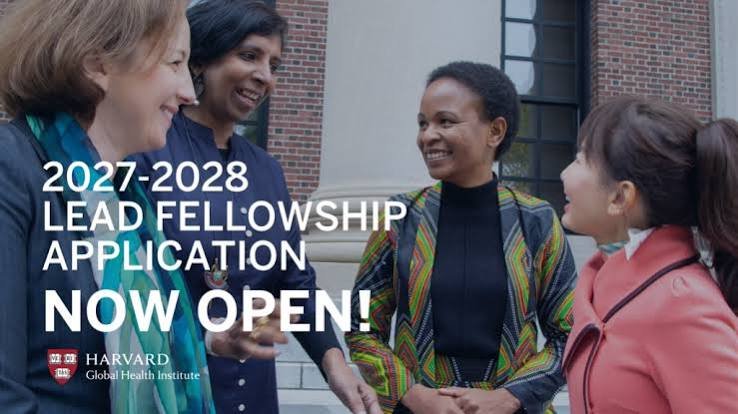
Harvard LEAD Fellowship for Promoting Women in Global Health 2027 to 2028
Applications are open for the Harvard LEAD Fellowship for Promoting Women in Global Health 2027 to 2028, a leadership development opportunity offered by the Harvard Global Health Institute in collaboration with the Department of Global Health and Population at the Harvard T.H. Chan School of Public Health. The programme is designed for experienced global health professionals from low and middle income countries who want to strengthen their leadership capabilities and contribute to the development of future women leaders in global health. The fellowship combines personalised leadership development, executive education, mentorship and professional networking. It gives participants an opportunity to reflect on their career journeys, develop new leadership strategies and build connections with experienced professionals and faculty members across Harvard University. Fellows are encouraged to shape their learning experience around their professional goals, organisational priorities and the challenges facing their home countries. The 2027 to 2028 programme will run for 12 months, from September 1, 2027, to August 31, 2028. Most activities during the initial phase will take place virtually, allowing fellows to continue their regular professional responsibilities. The programme also includes a six week residential experience at Harvard University in Cambridge, Massachusetts, expected in April 2028. About the Fellowship The LEAD Fellowship, which stands for Learn, Engage, Advance, Disrupt, aims to equip global health professionals with the leadership skills, support and professional relationships needed to advance health equity and strengthen the global health workforce. The programme recognises that experienced professionals often have limited opportunities to step away from demanding roles, reflect on their leadership approaches and explore new directions. Through individual coaching, mentorship and structured learning, fellows can identify areas for growth and develop a personalised plan for their professional advancement. Participants work with experienced mentors and Harvard faculty members while engaging with a cohort of global health leaders from different countries and professional backgrounds. Previous fellows have worked in research, advocacy, public health administration, clinical practice and policy. The fellowship also places importance on mentoring future women leaders. Participants are expected to consider how their development can benefit colleagues, institutions and the wider global health community in their home countries. Fellowship Benefits • Fully funded residential experience: Financial support for flights, housing, visa fees, course fees and a stipend for food and local transportation during the six week period at Harvard. • Personalised leadership coaching: Individual coaching sessions to help fellows identify professional goals, strengthen leadership approaches and plan their next career steps. • Mentorship: Guidance from experienced professionals and mentors who can support fellows in addressing leadership challenges and pursuing their ambitions. • Executive education: Participation in an executive education course and structured leadership development activities. • Harvard faculty masterclasses: Opportunities to learn from faculty members through specialised leadership sessions. • Professional networking: Connections with other global health leaders, Harvard faculty, mentors and the fellowship alumni community. • Public speaking opportunities: Experiences designed to strengthen communication, confidence and the ability to share professional knowledge. • Independent project development: Opportunities to explore ideas and projects connected to individual goals and institutional priorities. • Career development planning: Support in creating a personalised learning curriculum that reflects each fellow’s needs and professional aspirations. • International peer community: Access to a network of professionals working across global health research, advocacy, policy, administration and clinical practice. Programme Structure The fellowship is organised around virtual development activities and an in person residential experience. Virtual learning and preparation: Beginning in September 2027, fellows will participate in leadership planning, individual coaching and relevant virtual activities. They will also prepare for their academic coursework, mentorship and residential experience. The initial virtual phase is designed to accommodate fellows’ ongoing professional commitments. Residential experience at Harvard: In April 2028, fellows are expected to spend six weeks in Cambridge, Massachusetts. Activities will include executive education, leadership workshops, mentorship, team building and public speaking opportunities. Fellows must take a leave of absence or make equivalent arrangements with their employers during this period. Continued professional development: Throughout the programme, participants will work towards their individual leadership objectives and consider how to apply their learning within their organisations and professional communities. Eligibility Criteria Applicants should carefully review the requirements before beginning their applications. • Hold at least a master’s degree in a relevant field. • Work full time in the field of global health. • Have at least 10 years of professional experience beyond their formal education. Experience gained while studying at university does not count towards this requirement. • Demonstrate substantial leadership experience and the potential to take on further leadership responsibilities. • Be currently based and working in a low or middle income country and plan to return there after the fellowship. • Be eligible to obtain a J 1 visa for travel to the United States in April 2028. • Be available to reside in Cambridge, Massachusetts, for the six week residential experience. • Obtain support from their home institution to take a leave of absence or equivalent during the residential period. • Have a professional mentor or champion who can support their development and provide a commitment letter. • Not have participated in a full time fellowship lasting four months or longer during the two years before joining the Harvard programme. The fellowship welcomes applicants from different regions, professional disciplines, sectors and gender identities. Its central mission is to promote women’s leadership in global health and encourage fellows to mentor future women leaders. Required Application Materials Applicants must prepare the following documents and written responses: • CV or resume: A current summary of professional experience, education, leadership responsibilities and relevant achievements. • Letter of Intent: No more than one and a half pages, describing the applicant’s professional journey in global health and explaining how the fellowship could transform their work, organisation and home country. • Career Development and Training Activities Essay: A response outlining the applicant’s proposed learning priorities and professional development plan. • Project Plan Essay: A description of a proposed project or area of work connected to the applicant’s goals. • Mentoring Plan Essay: An explanation
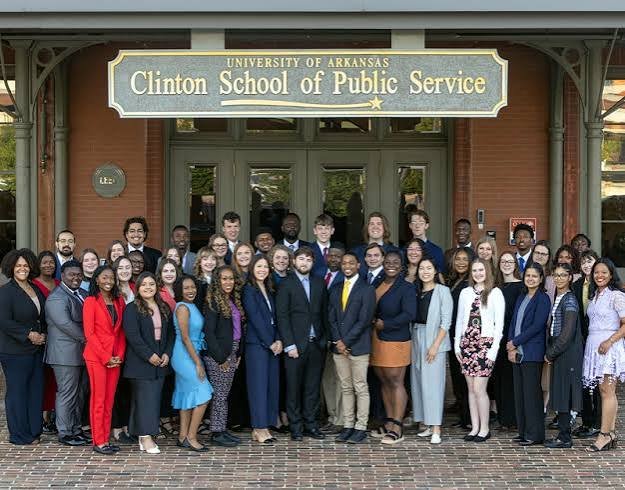
Clinton School International Public Service Projects 2027
Applications are open for the Clinton School International Public Service Projects (IPSP) 2027, an initiative that connects organizations working on public service and global development challenges with graduate students from the Clinton School of Public Service at the University of Arkansas. The programme invites international partner organizations and domestic organizations with a global focus to submit project proposals for the Summer 2027 placement period. The International Public Service Projects programme gives organizations an opportunity to work with Master of Public Service students who apply their academic training, research skills and practical knowledge to real world challenges. Projects are designed around the needs identified by the host organization and the communities it serves, helping partners advance research, strengthen programmes and develop practical resources. The summer placement is an intensive, stipend supported experience lasting eight weeks, from May 24 to July 27, 2027. During this period, selected students work with their host organizations on defined projects intended to address organizational priorities and community needs. Students also gain hands on public service experience while developing their professional and cross cultural understanding. About the Opportunity The International Public Service Projects programme is managed through the Office of Field Service at the Clinton School of Public Service. It forms part of the school’s practical learning approach, allowing students to apply the knowledge and skills developed during their Master of Public Service studies to challenges faced by public service organizations. Each project is developed in response to the needs of the host organization and its community. Rather than assigning every participant to the same standard activity, the programme supports tailored projects with clear objectives and useful outcomes. Depending on the host’s needs, a student may conduct research, evaluate an existing programme, develop tools, assess community needs or contribute to strategic planning. The programme has supported projects in different countries and with organizations working across a range of public service areas. Previous projects have addressed subjects such as family literacy, emergency response planning, sustainable agriculture, community development, fundraising capacity and public policy. For host organizations, the placement can provide dedicated research and project support. For students, it offers an opportunity to learn from practitioners, work in a different cultural setting and contribute to a defined public service challenge. Opportunity Benefits Participating organizations may benefit from the following: • Dedicated support from a Clinton School Master of Public Service student during the placement period. • Research and analysis relevant to the organization’s work and priorities. • Assistance with programme design, evaluation and strategic planning. • Development of practical resources, toolkits and organizational materials. • Needs assessments that help identify gaps and opportunities for improvement. • Best practice research to inform organizational decisions. • Opportunities to strengthen internal capacity and improve programme planning. • Collaboration with a graduate public service programme focused on practical learning and community needs. The student experience is stipend supported. Organizations should confirm the placement arrangements with the Clinton School and should not assume that the programme provides direct grant funding to host institutions. Programme Areas Project proposals may focus on the specific needs of the host organization and the communities it serves. Common areas of work include: • Programme design: Developing or improving programmes in response to identified community needs. • Toolkit development: Preparing practical guides, frameworks or resources for staff and programme participants. • Empirical research: Collecting and analysing information to understand a public service issue. • Best practices research: Reviewing existing approaches and identifying lessons that may inform organizational work. • Needs assessments: Identifying service gaps, community priorities and opportunities for intervention. • Programme evaluation: Examining programme implementation, performance and potential improvements. • Strategic planning: Supporting organizational priorities and long term planning. • Community outreach: Helping organizations understand community needs and strengthen engagement with relevant stakeholders. Proposals should explain the challenge to be addressed and describe the type of work a student could realistically complete during the eight week placement. Eligibility Criteria The call is intended for organizations interested in hosting a Clinton School Master of Public Service student during Summer 2027. Eligible applicants include global partner organizations and domestic organizations with a global mission. Host organizations should be prepared to: • Offer a project connected to an identifiable organizational or community need. • Accommodate the placement dates from May 24 to July 27, 2027. • Assign a dedicated staff supervisor who can guide the student and support project progress. • Provide an appropriate workspace while the student is on site. • Arrange an organizational orientation at the beginning of the placement. • Complete a brief final assessment covering the student and project outcomes. Organizations should ensure that their proposed project is appropriate for an eight week placement and that staff members are available to provide guidance throughout the assignment. Required Application Information Interested organizations should submit a project proposal through the official International Public Service Projects partner application form. When preparing a proposal, organizations should be ready to explain: • The organization and its mission. • The public service or community challenge the project will address. • The proposed project scope and intended activities. • The expected outputs or practical deliverables. • How the project relates to the organization’s priorities. • The supervision and workspace arrangements available to the student. Applicants should consult the official application form for the precise questions and any additional information requested by the Clinton School. The points above are preparation guidance, not a substitute for the official form. How to Apply Organizations interested in hosting a student for the 2027 International Public Service Projects should follow these steps. Review the programme information. Visit the official Clinton School website to understand the purpose, schedule and expectations of the International Public Service Projects programme. Identify a suitable project. Choose a specific organizational or community need that can be addressed through research, programme development, evaluation, needs assessment or another relevant project activity. Prepare the proposal. Describe the project objectives, proposed activities, expected outcomes and the support the organization can provide to the student. Confirm host arrangements. Ensure that
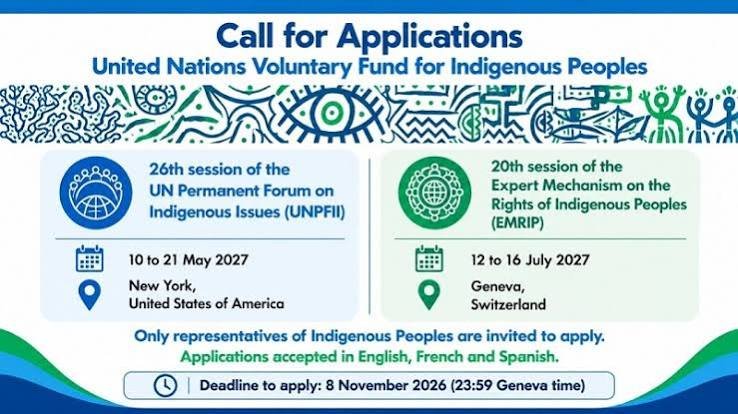
UN Voluntary Fund for Indigenous Peoples 2027
The United Nations Voluntary Fund for Indigenous Peoples is accepting applications from Indigenous individuals and representatives of Indigenous Peoples’ organizations who need financial assistance to participate in major United Nations human rights meetings in 2027. The initiative aims to help Indigenous representatives bring the concerns, experiences and priorities of their communities directly to international discussions on Indigenous rights. The fund supports participation in two important United Nations processes: the 26th session of the United Nations Permanent Forum on Indigenous Issues and the 20th session of the Expert Mechanism on the Rights of Indigenous Peoples. These meetings provide opportunities for Indigenous representatives to engage with international human rights mechanisms, raise issues affecting their communities and contribute to discussions that may influence policy and advocacy. The 26th session of the United Nations Permanent Forum on Indigenous Issues is scheduled for May 10 to 21, 2027, in New York, United States. The 20th session of the Expert Mechanism on the Rights of Indigenous Peoples will take place from July 12 to 16, 2027, in Geneva, Switzerland. About the Opportunity The United Nations Voluntary Fund for Indigenous Peoples helps address financial barriers that prevent Indigenous representatives from participating in relevant United Nations meetings. By supporting their attendance, the fund seeks to improve the representation of Indigenous communities in international human rights discussions. The programme is particularly relevant to community advocates, Indigenous organization representatives and human rights defenders whose work connects directly with the issues addressed by the Permanent Forum or the Expert Mechanism. Applicants should select the meeting most closely related to their work and explain how their participation would contribute to advocacy on behalf of their community or organization. Previous engagement with consultations, submissions, community initiatives and other advocacy processes may strengthen an application. Opportunity Benefits Selected Indigenous representatives may receive: • Financial assistance for travel to the relevant United Nations meeting. • A stipend to cover accommodation and related expenses, subject to United Nations rules and procedures. • An opportunity to represent community concerns in international human rights discussions. • Direct engagement with United Nations mechanisms working on Indigenous Peoples’ rights. • Opportunities to strengthen advocacy, policy engagement and international representation. • Greater visibility for human rights issues affecting Indigenous communities. • Opportunities to connect community priorities with international discussions and recommendations. Funding is awarded to selected applicants according to the fund’s procedures. Applicants should review the official application information carefully and should not assume that expenses outside the approved support will be covered. Programme Areas Applicants may seek support to attend one of the following meetings. 1. United Nations Permanent Forum on Indigenous Issues The 26th session will take place from May 10 to 21, 2027, in New York, United States. The Permanent Forum provides a United Nations platform for discussion of Indigenous issues, including human rights, economic and social development, culture, the environment, education, health and other matters affecting Indigenous Peoples. Representatives whose community advocacy connects with the Forum’s work should explain the issues they intend to raise and how participation could benefit their communities or organizations. 2. Expert Mechanism on the Rights of Indigenous Peoples The 20th session is scheduled for July 12 to 16, 2027, in Geneva, Switzerland. The Expert Mechanism provides expertise and advice on the rights of Indigenous Peoples and supports efforts to advance those rights. Applicants should demonstrate their involvement in relevant human rights issues and explain how attending the session could contribute to advocacy, engagement with United Nations mechanisms or policy influence. Eligibility Criteria Applications are open to Indigenous individuals and representatives of Indigenous Peoples’ organizations who meet the following conditions: • Are actively engaged in promoting and protecting the rights of Indigenous Peoples. • Can explain how their participation would contribute to advocacy on behalf of their community or organization. • Require financial assistance for travel, accommodation and related participation expenses. • Have relevant experience or engagement with the human rights issues addressed by the selected United Nations meeting. • Can demonstrate a clear connection between their community representation and the meeting they intend to attend. • Can provide the required supporting documents, including a recommendation letter from the community or organization they represent. Applications from Indigenous persons with disabilities and Indigenous 2SLGBTQ+ persons are particularly encouraged. Applicants should ensure that their application accurately describes their community or organizational role, their relevant advocacy activities and their financial need. Required Application Materials Applicants are required to upload the following documents: • A recent curriculum vitae. • A copy of a valid passport. • A recommendation letter from the Indigenous organization, community, nongovernmental organization or nonprofit institution they represent. The recommendation letter does not have to follow a prescribed template. Applicants may use a format appropriate to their community or organization. The letter should clearly support the applicant’s representation and connection to the work described in the application. Applicants should also prepare clear responses explaining their advocacy experience, the relevance of the chosen meeting and the expected contribution of their participation. Selection Criteria Applications will be assessed according to the following considerations: • Representation: Priority will be given to applicants with a clear mandate from their communities or organizations. • Relevance: Applicants should demonstrate engagement with Indigenous human rights issues and the work of the selected United Nations mechanism. • Potential impact: Applications should explain how participation could strengthen community advocacy, international engagement or policy influence. • Previous engagement and preparedness: Relevant experience in advocacy processes, consultations, submissions, caucuses or community initiatives may be considered. • Financial need: Applicants should demonstrate that they need financial assistance and lack alternative sources of funding for participation. A strong application will clearly connect the applicant’s responsibilities, community priorities and previous work with the objectives of the meeting they wish to attend. How to Apply Review the opportunity. Decide whether the Permanent Forum on Indigenous Issues or the Expert Mechanism on the Rights of Indigenous Peoples is most relevant to your work. Prepare your documents. Gather your recent CV, passport copy and recommendation letter from the Indigenous community