
Applications are open for the World Bank Group Government Analytics Fellowship 2027, an initiative designed to help public servants strengthen government performance through data informed decision making. The fellowship supports government officials who want to use existing administrative data and analytical methods to understand institutional challenges, improve public services, and make more effective policy and management decisions. Developed around the principles of the Government Analytics Handbook, the programme helps participants turn government information into practical insights. Rather than focusing only on academic learning, it encourages fellows to identify a real challenge within their institutions and develop a Government Analytics project that could lead to measurable improvements. The fellowship is intended for nominated public servants working in central government organisations, including government agencies. Applicants should hold mid level management or senior analyst positions, have relevant quantitative knowledge, and receive institutional support to develop and implement a proposed project. About the Opportunity The Government Analytics Fellowship is a professional development programme from the World Bank Group that aims to strengthen the capacity of public institutions to use data in their everyday operations. Governments collect extensive information through payroll systems, procurement records, administrative processes, public servant surveys, and service delivery assessments. However, these resources are not always used effectively to identify problems or guide decisions. The fellowship helps government officials learn how to analyse such information, identify institutional weaknesses, and develop evidence based solutions. Participants work towards a project relevant to their organisation, with an emphasis on practical application rather than theory alone. The programme draws on the expertise behind the Government Analytics Handbook and provides opportunities to learn from specialists and connect with a wider community of public servants, academics, data experts, and governance practitioners. Applicants should understand that the fellowship is intended for government professionals with a suitable institutional role. A strong application needs to demonstrate not only an interest in data, but also a clear opportunity to apply analytical methods to a genuine challenge within the applicant’s organisation. Fellowship Tracks The programme offers different participation options to accommodate government officials with varying schedules and institutional needs. • Online only track: A self paced virtual learning experience designed to provide flexibility for officials balancing professional responsibilities. • Immersive in person track: A competitive option for a small group of officials who can commit substantial time to developing and completing a Government Analytics project. • Regional hub track: Fellowship opportunities organised around regional hubs, allowing participants to engage through more localised programme arrangements. Applicants interested in the immersive track should be prepared for the additional commitment required, including completion of the virtual course and submission of their project before participating in the in person component. Opportunity Benefits Selected fellows can benefit from the following opportunities: • Training focused on developing and implementing a Government Analytics project. • Practical knowledge from experts associated with the Government Analytics Handbook. • Support from World Bank and academic experts to strengthen project design and implementation. • Opportunities to translate government data into actionable insights for institutional improvement. • Access to a global learning community of public servants, researchers, data specialists, and governance practitioners. • Dedicated mentoring from a World Bank expert for selected fellows. • An opportunity to strengthen analytical, problem solving, and evidence based decision making skills. • Professional development that can support more effective public administration and institutional reform. Additional Benefits for the In Person Track • A two week immersive experience in Washington, D.C., working with World Bank staff, academics, experts, and fellow government practitioners. • Dedicated expert mentoring connected to the fellow’s proposed project. • For eligible applicants from countries receiving official development assistance, the World Bank covers hotel accommodation, travel, and subsistence associated with participation in the Washington course. Applicants should confirm the precise arrangements and eligibility conditions for travel support before making commitments. The opportunity does not specify a general salary or cash stipend for every participant. Eligibility Criteria To apply for the World Bank Group Government Analytics Fellowship 2027, candidates must meet the following requirements: • Be formally nominated by their organisation. A maximum of two fellows may be nominated from each organisation. • Work in a central government organisation, including a government agency. • Hold a mid level management or senior analyst position, or an equivalent role. • Have the authority and institutional support needed to develop a Government Analytics project. • Have completed tertiary level coursework in statistics or related quantitative methods. • Demonstrate proficiency in English. • Propose a Government Analytics project that is clearly relevant to their institution and has potential for implementation. Additional Requirements for the In Person Track • Be available to travel to Washington, D.C., for approximately two weeks in March 2027. Exact dates will be communicated when confirmed. • Commit to completing the virtual Government Analytics Fellowship course. • Submit the proposed Government Analytics project before attending the in person training. • Successfully complete the required virtual course and project submission to participate in the in person component. Applicants should ensure that their organisation understands the time commitment and is prepared to support their participation. Required Application Materials Applicants must prepare the following documents in English: • Curriculum Vitae: A comprehensive CV of no more than three pages, highlighting relevant experience, qualifications, professional responsibilities, and previous coursework in statistics or related quantitative methods. • Government Analytics Project Summary: A summary of approximately 150 words describing a project the applicant intends to undertake within their organisation. • Organisational Endorsement Letter: An official letter nominating the applicant, confirming their position, and demonstrating institutional support for both participation in the fellowship and the proposed project. All application documents must be submitted in PDF format. Selection Criteria Applications should demonstrate the candidate’s ability to apply analytical approaches to a practical government challenge. A competitive proposal should explain the institutional problem, why it matters, and how available data could help the organisation understand or address it. The proposed project should have a clear connection to the applicant’s responsibilities and a realistic prospect of implementation. Institutional
EQUALS in Tech Awards 2027
Applications are open for the EQUALS in Tech Awards 2027, a global awards programme recognizing initiatives that use technology to improve the lives of women and girls and help close the digital gender divide. The awards welcome applications from organizations and initiatives working at local, national, regional, and international levels. First launched in 2014, the EQUALS in Tech Awards are organized by the EQUALS Global Partnership, a multisectoral network committed to advancing digital gender equality. Its founding partners include the International Telecommunication Union, UN Women, the International Trade Centre, GSMA, and United Nations University. The 2027 edition introduces three award categories under the renewed EQUALS 2.0 framework. These categories focus on equitable access to emerging technologies, digital skills and leadership opportunities, and safer and more inclusive online environments. The awards aim to highlight practical solutions that enable women and girls to participate more fully in the digital economy and benefit from technological progress. About the Opportunity The EQUALS in Tech Awards celebrate initiatives that use information and communication technologies to reduce barriers faced by women and girls. These barriers may include limited access to digital tools, insufficient digital skills, underrepresentation in technology leadership, and online environments affected by harassment, violence, or exclusion. The awards encourage applicants to demonstrate how their work responds to these challenges. Eligible initiatives may be educational programmes, digital products, technology services, community projects, policy initiatives, or other practical approaches that advance digital inclusion. Rather than recognizing an organization simply for its overall mission, the awards assess a defined initiative or project. Applicants should be able to explain what their initiative does, who benefits from it, what results it has achieved, and how it may be expanded or adapted to other communities. The awards are open to eligible applicants across countries and regions. Previous finalists may apply again, provided their initiative remains active and the application explains how the work has developed where relevant. Opportunity Benefits • International recognition from a global partnership committed to digital gender equality. • Greater visibility for projects that improve technology access and opportunities for women and girls. • Opportunities to connect with entrepreneurs, researchers, activists, investors, and leaders from different sectors. • Membership in a community of organizations and practitioners working toward shared digital inclusion goals. • Opportunities to promote the initiative through EQUALS communication channels and related activities. • Potential to strengthen partnerships, public engagement, and future opportunities for collaboration. • Recognition that may help demonstrate the initiative’s impact and potential for wider adoption. The awards information does not specify a cash prize or guaranteed financial grant. Applicants should therefore treat the programme primarily as an opportunity for recognition, networking, and visibility. Award Categories 1. Emerging Tech for Inclusion Award This category recognizes initiatives that help women and girls access and benefit from emerging technologies. Eligible work may involve artificial intelligence, climate technologies, or other innovative digital tools. Projects should explain how the technology addresses an identified barrier and how women and girls benefit from its development, availability, or use. Strong applications will demonstrate practical relevance and a clear contribution to equitable participation in the digital world. 2. Digital Skills and Leadership Pathways Award This category recognizes initiatives that develop digital skills among women and girls and strengthen their opportunities to take on leadership roles in the digital economy. Relevant initiatives may include digital education, technical training, career development, leadership programmes, mentoring, or other activities that help participants build capabilities and progress into technology related roles. Applicants should describe the people reached, the skills or opportunities provided, and the potential for the approach to grow. 3. Safe and Inclusive Digital Spaces Award This category focuses on initiatives that make digital environments safer, more inclusive, and more empowering for women and girls. Eligible work may address online violence, harassment, discrimination, exclusion, or other barriers that prevent women and girls from participating fully in digital spaces. Applications should explain how the initiative improves online participation and supports meaningful access to digital opportunities. Eligibility Criteria • Applications are open worldwide. • Eligible applicants include civil society organizations, nongovernmental organizations, government institutions, international organizations, academic institutions, research institutions, private sector entities, multistakeholder initiatives, social enterprises, and entrepreneurial ventures. • The application must focus on a specific programme, project, initiative, product, or service. • The proposed work must align with one of the three award categories. • The initiative must still be ongoing at the time of application and must not have concluded. • Applicants should demonstrate how their work advances digital gender equality or helps close the digital gender divide. • Applications seeking recognition for an organization as a whole, without presenting a specific eligible initiative, are not accepted. • Each application must be submitted under one award category. Separate eligible initiatives may be submitted through separate applications. • Applicants from all countries and regions are encouraged to participate. Selection Criteria Eligible applications are independently reviewed against the following criteria: • Impact: The initiative’s contribution to reducing the digital gender divide and the results achieved. • Reach: The number of women and girls reached and the geographical scope of implementation. • Scalability and replicability: The potential to expand the initiative or adapt it to other settings. • Innovation: The originality of the solution, product, service, programme, or approach. • Collaboration: The effectiveness of partnerships and engagement with relevant organizations and stakeholders. Applicants should provide clear evidence of their initiative’s activities and results wherever possible. Explaining the problem being addressed, the people who benefit, the approach used, and the potential for continued impact can help reviewers understand the initiative’s value. Required Application Information The official award information does not provide a complete fixed list of supporting documents in its general announcement. Applicants should use the official application form to confirm all required fields and attachments. Applicants should be prepared to describe: • The name and purpose of the initiative. • The award category that best matches the work. • The problem the initiative addresses and its relevance to digital gender equality. • The activities,
WISE EdTech Accelerator 2026 to 2027
Applications are open for the WISE EdTech Accelerator 2026 to 2027, an international programme supporting education technology startups that are developing innovative solutions to challenges in teaching and learning. Organised by the World Innovation Summit for Education, known as WISE, an initiative of Qatar Foundation, the accelerator helps promising ventures strengthen their products, develop sustainable business strategies and expand their educational impact. The programme is designed for early stage startups that have progressed beyond the minimum viable product stage and can demonstrate market traction, sales or user engagement. It welcomes ventures working across different educational subsectors, including school education, higher education and professional development. Applicants should have a functioning solution, evidence of demand and a clear plan for growing their business. The 2026 to 2027 edition offers two pathways. The Local Track supports startups preparing to enter or expand within Qatar’s education market, while the International Track welcomes ventures seeking to grow across markets without concentrating on a single country. Both tracks provide tailored guidance, business development support and access to a wider community of education innovators. About the Opportunity The WISE EdTech Accelerator helps education technology entrepreneurs move from early market traction towards sustainable growth. Through tailored coaching, expert masterclasses and connections with investors and education specialists, the programme supports startups as they refine their products, identify growth opportunities and develop strategies for reaching more learners. The accelerator is intended for ventures that combine innovation with a credible business model and measurable educational impact. Solutions may address challenges such as learning access, teaching quality, skills development or the delivery of educational services. Applicants should be able to explain the problem their product solves, who benefits from it and how the solution can create meaningful improvements. The Local Track is particularly suited to startups seeking to establish or strengthen their presence in Qatar. It offers opportunities to connect with local education stakeholders, innovation partners and potential funding pathways. The International Track is designed for founders looking to strengthen their global reach, improve market positioning and explore opportunities for expansion. Opportunity Benefits • Individual coaching and mentorship: Receive tailored guidance from experts in entrepreneurship, education technology and business growth. • Marketing and sales support: Strengthen customer acquisition strategies, sales approaches and fundraising preparation. • Product development guidance: Improve product strategy, development priorities and roadmaps. • Market insights: Gain guidance on market positioning, customer needs and expansion opportunities. • Investor connections: Access a global network of investors and education specialists. • International visibility: Become eligible for exposure through WISE communication channels and selected partner events. • Industry networking: Connect with education leaders, entrepreneurs, potential collaborators and other founders. • Local market opportunities: Local Track participants can connect with Qatar’s education ecosystem and explore relevant funding and grant pathways through programme partners. • Global community: Join an international network of education technology founders and innovators. • Summit exposure: Selected ventures may have opportunities to participate in major industry events, including the WISE Summit in Doha. The accelerator provides business development support and access to networks. Applicants should not assume that participation guarantees a cash award, investment or grant. Programme Tracks 1. Local Track This pathway is designed for early stage startups, generally at the seed to pre Series A stage, that are ready to scale and enter the Qatari market. Participants can receive guidance on adapting their solutions to local needs, connecting with key stakeholders and exploring opportunities within Qatar’s education sector. 2. International Track This pathway is open to innovative startups from around the world that want to strengthen their products and expand internationally. Participants receive tailored support in business strategy, product development, market expansion and networking without being required to focus on one specific market. Eligibility Criteria Applicants should meet the following general requirements: • Operate a for profit education technology startup. Nonprofit organisations and nongovernmental organisations are not eligible. • Have a product or solution that has progressed beyond the minimum viable product stage. • Demonstrate evidence of market traction, such as sales, user engagement or other indicators of demand. • Show measurable educational impact within the markets where the venture operates. • Present an innovative approach to addressing an educational challenge through technology or a novel learning approach. • Demonstrate potential to scale regionally or internationally. • Have a credible business model and a plan for financial sustainability, including a pathway to revenue generation. • Show that the team has the relevant leadership, technical, educational or entrepreneurial capabilities to execute its plans. • Work within an eligible education subsector, including school education, higher education or professional development. • For the Local Track, demonstrate readiness and a clear rationale for entering or expanding within Qatar. Selection Criteria Applications are assessed by the WISE Accelerator team with support from a committee of experts in education and entrepreneurship. The programme reports an acceptance rate of approximately five percent. • Team credentials: The team’s leadership, relevant experience and ability to execute its plans. • Innovation: The originality of the solution and its potential to improve teaching or learning. • Scalability: The ability to expand into additional markets and serve more learners. • Financial sustainability: The strength of the business model, revenue potential and financial planning. • Educational impact: Evidence that the solution improves learning outcomes, expands access or empowers learners and educators. Applicants should provide clear evidence of progress rather than relying solely on the potential of an idea. Required Application Information The online application must be completed in English and submitted through the official WISE application platform. Applicants should prepare information covering: • A description of the education technology solution and how it works. • The educational problem the solution addresses. • The target beneficiaries and intended users. • Evidence of market traction, sales, user engagement and educational impact. • The startup’s motivation for joining the WISE EdTech Accelerator. • The venture’s growth ambitions and reasons for applying to the Local or International Track. Applicants should also be prepared to explain their business model, innovation, team capabilities and plans for

Atlantic Fellows for Social and Economic Equity Programme 2027 to 2028
Applications are open for the Atlantic Fellows for Social and Economic Equity (AFSEE) Programme 2027 to 2028, a fully funded international fellowship for experienced changemakers working to challenge social and economic inequality. Based at the International Inequalities Institute at the London School of Economics and Political Science (LSE) in the United Kingdom, the programme brings together policymakers, researchers, activists, practitioners, artists and movement builders from around the world. The fellowship is designed for mid career professionals with at least seven years of experience advancing equitable solutions to inequality. It offers participants an opportunity to reflect on their work, strengthen their knowledge and leadership skills, exchange ideas with people from different backgrounds, and develop approaches that can contribute to lasting social change. The programme welcomes applicants working across a wide range of fields, including economic and social rights, environmental justice, tax justice, gender equality, minority and disability rights, education, public policy, housing, labour rights, community organising, arts and culture, and peacebuilding. Applicants from different professional and educational backgrounds are encouraged to consider the track that best suits their circumstances and goals. About the Opportunity The Atlantic Fellows for Social and Economic Equity Programme is an international fellowship that supports people committed to challenging the root causes of inequality. Its approach combines academic research, practical knowledge, critical reflection and collaboration between people working in different countries and sectors. The programme offers two pathways. The Residential track allows selected Fellows to spend one year in London studying for the MSc in Inequalities and Social Science at LSE. Alongside their degree, participants complete four specialised fellowship modules designed to deepen their understanding of inequality and explore practical approaches to creating more equitable societies. The Non Residential track allows Fellows to remain in their home countries and professional environments while participating in the programme’s learning activities. Participants develop a practice based project connected to their work and join Residential Fellows for fellowship modules through online and in person activities. Successful participants receive a Postgraduate Certificate in Social and Economic Equity. Both tracks encourage Fellows to learn from academics, practitioners, campaigners and civil society professionals while contributing their own experience and perspectives. Opportunity Benefits • Fully funded fellowship opportunity for selected participants. • Access to academic learning and specialist knowledge on social and economic inequality. • Residential opportunity to study for an MSc in Inequalities and Social Science at LSE. • Non Residential opportunity to earn a Postgraduate Certificate in Social and Economic Equity. • Participation in four specialised fellowship modules. • Opportunities to learn from academics, activists, policymakers and experienced practitioners. • Development of leadership, critical thinking, collaboration and policy engagement skills. • Opportunities to exchange ideas and build relationships with international changemakers. • Access to the wider Atlantic Fellows community and opportunities for continued learning, collaboration and professional development after the active fellowship year. Programme Areas AFSEE welcomes applicants working in areas connected to social and economic equity, including: • Economic and social rights. • Sustainability and environmental justice. • Tax justice and alternative economic approaches. • Women’s rights, minority rights and disability rights. • Education rights and equitable access to learning. • Public policy and social policy development. • Housing and urban inequalities. • Labour rights and workplace equality. • Community organising and movement building. • Arts, culture and social transformation. • Peacebuilding and transitional justice. Applicants should demonstrate how their work contributes to addressing inequality and how participation in the fellowship could strengthen their future impact. Eligibility Criteria Applicants for both tracks must meet the following requirements: • Have at least seven years of experience demonstrating commitment, leadership and practical engagement in challenging inequality. • Meet the applicable English language requirements established by LSE. • Demonstrate a clear commitment to equitable solutions and social change. Additional requirements for Residential Fellows • Qualify for admission to LSE’s MSc in Inequalities and Social Science. • Normally hold an undergraduate degree equivalent to a UK upper second class honours degree, commonly known as a 2:1, in any discipline. • Meet LSE’s higher English language requirement for this track. Applicants who already hold a PhD, completed a master’s degree within the previous three years, or are currently studying for another degree will not normally be considered for the Residential track. Additional requirements for Non Residential Fellows • Meet LSE’s standard English language requirement. • An undergraduate degree is not essential for this track. Applicants who hold an undergraduate degree equivalent to a UK lower second class honours degree, commonly known as a 2:2, or higher may apply. Applicants without an undergraduate degree are also welcome. • Applicants may already hold postgraduate qualifications. People currently enrolled in a degree programme will not be considered unless their studies end before the fellowship year begins in September. AFSEE particularly encourages applications from people living in the Global South, individuals from historically underrepresented or marginalised communities, and candidates who would not otherwise have the resources to participate in a fellowship of this kind. These are preferred qualities rather than additional mandatory eligibility requirements. Required Application Materials Applicants should prepare the following materials for their online application: • Completed application through the LSE Graduate Application System. • Curriculum vitae outlining professional experience, education and relevant achievements. • Statement of academic purpose explaining the applicant’s background, values, work and reasons for applying. • Academic transcripts or a document explaining that the applicant does not hold an undergraduate degree. • Details of two referees who can provide references by the required deadline. • Evidence of meeting the applicable English language requirements, where required. Applicants should begin preparing their documents early because obtaining transcripts and references may take time. An English language test does not necessarily need to be completed before the application is submitted, but applicants must satisfy the relevant requirement. Selection Criteria AFSEE seeks a diverse cohort of Fellows whose experience, values and ambitions align with the programme’s commitment to challenging inequality. Applications are assessed with attention to: • Experience and demonstrated commitment to addressing inequality. • Clarity of vision and

Gloria’s Foundation Fellowship 2027: $5,000 Stipend for Justice Focused Changemakers
Applications are open for the Gloria’s Foundation Fellowship 2027, a one year opportunity for activists, artists, changemakers, and creative thinkers whose work or independent projects focus on justice. The fellowship will select two individuals to participate in a programme designed to provide resources, workspace, community connections, and an encouraging environment for developing ideas and advancing social change. The fellowship will run from January to December 2027. It is offered by Gloria’s Foundation, an organisation inspired by the New York City home of feminist activist Gloria Steinem. The apartment has historically served as a meeting place for people developing ideas, organising communities, and building organisations, including early organising connected to farm workers’ rights and the launch of Ms. magazine. Through the fellowship, selected participants can access the Foundation’s workspace and library, connect with people involved in its community, and take part in Talking Circle programming. Fellows will also have opportunities to organise their own Talking Circles around topics relevant to their interests and work. About the Fellowship Gloria’s Foundation Fellowship supports people whose independent projects or ongoing work centre on justice. Rather than focusing exclusively on one profession or academic discipline, the programme welcomes individuals working through activism, the arts, creative practice, community organising, and other forms of social change. The Foundation’s history reflects the role that personal spaces and informal gatherings can play in developing movements and organisations. Its fellowship builds on this tradition by creating opportunities for participants to work on their ideas, access resources, and engage with a community of people committed to justice. The fellowship lasts for one year, from January through December 2027. During the programme, fellows will have scheduled access to the Foundation’s space on the Upper East Side of New York City. The workspace is available twice a month, from 9:00 a.m. to 6:00 p.m., and must be booked at least one week in advance. The programme is particularly relevant to individuals who would benefit from a supportive environment for developing a justice focused project, strengthening their organising practice, or connecting with other people working toward social change. Fellowship Benefits Selected fellows will receive the following benefits: • US$5,000 stipend to support their participation in the fellowship. • Access to the Foundation’s Upper East Side workspace in New York City twice a month. • Use of an on site office equipped with a Mac desktop computer and printer. • Access to the Foundation’s library during visits to the workspace. • Support from the Gloria’s Foundation team. • Opportunities to build relationships with people connected to the fellowship community. • Invitations to the Foundation’s Talking Circle programming. • The opportunity to organise two Talking Circles during the fellowship. • Lunch when working on site. • Opportunities to provide feedback that may help shape the future development of the fellowship and the Foundation. The Foundation’s workspace and library can provide useful resources for fellows developing ideas, planning activities, and carrying out project related work. The community component also offers opportunities to exchange perspectives and build connections with people who share an interest in justice. Fellows who organise Talking Circles will be responsible for choosing the topics and inviting up to five guests, subject to approval by the Foundation team. Each gathering must be scheduled at least two months in advance and may take place during the fellowship, except on holidays. Eligibility Criteria Applicants should meet the following requirements: • Be at least 18 years old. • Identify as an activist, artist, changemaker, or creative thinker. • Have work or an independent project centred on justice. • Be eligible to work in the United States. • Be located in the New York City metropolitan area or be able to arrange their own housing there for the fellowship. • Be able to provide one professional reference if requested. The fellowship is not limited to applicants with a particular academic qualification or professional title. People working in different fields may be suitable if their activities or independent projects align with the programme’s justice focused purpose. Applicants should carefully consider the location requirement before applying. Although the fellowship offers a stipend, the Foundation does not provide housing or housing assistance. Applicants who would need to relocate should make their own arrangements and assess whether they can meet the associated costs. Required Application Information The Foundation’s published fellowship terms specify that applicants must be prepared to provide a professional reference upon request. Applicants should consult the official application form for the complete list of questions and any additional information required. Prepare to explain your work or independent project clearly and describe how it relates to justice. A focused explanation of your activities, goals, and intended contribution can help communicate why the fellowship is relevant to your work. Applicants should also be ready to confirm that they meet the age, work authorisation, and location requirements. Do not assume that the stipend covers relocation, accommodation, or other expenses that the Foundation has not explicitly listed as covered. How to Apply Interested applicants can follow these steps: Review the official fellowship terms. Read the eligibility requirements, programme duration, workspace arrangements, stipend information, and location conditions on the Gloria’s Foundation website. Visit the official application page. Access the application through the Foundation’s fellowship information page and review all questions before submitting. Prepare your application. Clearly describe your justice focused work or independent project and provide the information requested by the Foundation. Arrange a professional reference. Be prepared to provide one professional reference if requested during the application process. Confirm your location and work eligibility. Ensure that you can meet the New York City metropolitan area requirement and are eligible to work in the United States. Submit before the deadline. Complete the application by November 1, 2026, at 11:59 p.m. Eastern Time. Monitor your communications. The Foundation states that two fellows will be selected and notified by December 1, 2026.

Amazon Research Awards Fall 2026
The Amazon Research Awards Fall 2026 invite researchers worldwide to submit proposals for innovative research in areas aligned with Amazon’s scientific and technological priorities. The programme supports academic research and related contributions to open source projects, helping researchers advance scientific knowledge and develop solutions with potential for broad impact. The awards are offered through Amazon Research Awards, a programme managed by Amazon Science. For the Fall 2026 call, proposals are invited across nine research areas, covering artificial intelligence, information security, cryptography, automated reasoning, computing infrastructure and multimodal perception. About the Opportunity The Amazon Research Awards programme supports scientific research in areas relevant to Amazon’s mission to advance customer focused science. It is designed to help researchers explore important technical challenges, develop new methods and contribute to research that can make a meaningful difference in their fields. The Fall 2026 call includes established research topics as well as emerging areas involving artificial intelligence agents, specialised AI computing systems and the evaluation of AI across languages and contexts. Proposals may focus on theoretical research, practical applications or novel technical approaches. Reviewers assess the quality of the scientific content, creativity and potential for impact at scale. Awards are structured as unrestricted gifts to the principal investigator’s academic institution or eligible organisation. Amazon does not claim intellectual property rights to research resulting from the award under the programme rules. Recipients are encouraged to publish their findings and contribute related code to open source repositories where appropriate. Opportunity Benefits Successful applicants may receive the following benefits, depending on the research area and award decision. • Unrestricted research funding provided to the eligible institution or organisation. • Amazon Web Services promotional credits to support relevant computing and research activities. • An assigned Amazon research contact who can offer consultation and technical guidance. • Access to training resources, including AWS tutorials and practical learning sessions. • Opportunities to engage with Amazon scientists and engineers. • Potential participation in relevant Amazon research events and training activities. • Support for research with the potential to advance scientific understanding and practical innovation. • Opportunities to publish research outcomes and contribute related code to open source projects. Programme Areas The Fall 2026 call covers nine research areas. • Agentic AI: Advancing the capabilities of AI agents that can perform tasks, reason through problems and support complex workflows. • AI for Information Security: Developing approaches to address challenging information security problems using artificial intelligence. • Amazon Security: Exploring AI supported solutions to difficult security challenges. • Automated Reasoning: Advancing systems assurance through mathematical reasoning and proof. • AWS Cryptography: Developing research that advances cryptographic technologies and standards. • Build on Trainium: Agentic, Recursive Improvement of Kernels and Frameworks: Researching ways to improve AI kernels and frameworks through agentic methods and recursive optimisation using AWS Trainium. • Multilingual and Contextual AI Evaluation: Improving the evaluation of AI systems across languages and contexts. • On Device Multimodal Perception: Advancing vision and related perception capabilities on devices. • Synthetic Data Generation for Multimodal Perception: Exploring methods to generate synthetic data for multimodal perception research. Applicants should select the area that most closely matches their proposed research and consult its specific call information for detailed requirements. Eligibility Criteria The programme encourages researchers from around the world to apply. However, applicants must meet the official eligibility rules. • The principal investigator must be a full time faculty member at an accredited academic institution or a permanent researcher at a legally recognised nongovernmental organisation. • An eligible nongovernmental organisation must have recognised legal status in its country, equivalent to the relevant United States nonprofit standard described in the programme rules. • The principal investigator must have reached the age of majority in their jurisdiction of residence at the time of application. • The principal investigator must not be a paid employee of a government entity, except where employed by an accredited academic institution. • The principal investigator must not have been an Amazon director, officer, employee, intern or contractor during the 12 months before submitting the proposal. • The principal investigator must not be an immediate family member or member of the household of an individual covered by the programme’s Amazon personnel restriction. • The principal investigator must not have participated in or held decision making authority over cloud infrastructure procurement involving Amazon. • Each principal investigator may submit only one proposal during each call period. • Applicants must comply with applicable United States export control rules, sanctions and other legal restrictions. Amazon employees, including employees of Amazon Web Services, are not eligible to receive an award. Additional geographic and legal restrictions apply under the official programme rules. Required Application Materials Applicants should prepare a research proposal that follows the instructions for their selected research area. • A research proposal addressing the relevant call topic. • A clear explanation of the scientific problem and its importance. • A description of the proposed research methods, technical approach or theoretical contribution. • An explanation of the originality of the proposed work. • A discussion of the expected outcomes and potential impact. • Any additional technical, institutional or administrative information requested by the specific research area. The exact proposal requirements may vary between research areas. Applicants should therefore consult the relevant call page rather than relying on a general checklist alone. Selection Criteria Proposals are reviewed according to the quality of their scientific content, creativity and potential for impact at scale. Researchers should demonstrate a clear understanding of the problem, explain how their approach advances existing knowledge and show why the expected results matter. A strong proposal should establish a convincing connection between the research question, the proposed methods and the anticipated contribution. Applicants should also ensure that their work is relevant to the selected programme area and that their institution can administer any award received. How to Apply Visit the official Amazon Research Awards website. Review the Fall 2026 call and explore the nine available research areas. Choose the most appropriate research area. Identify the call that best matches

Global Schools Prize 2027: Apply for a Share of US$1 Million in Education Awards
Applications are open for the Global Schools Prize 2027, an international education award launched by the Varkey Foundation to recognise exceptional schools that are improving learning, supporting students and reimagining the future of education. The prize celebrates schools that demonstrate meaningful impact through innovative teaching, inclusive practices, student wellbeing, teacher development and solutions to educational challenges. The Global Schools Prize aims to identify schools whose work can inspire improvements in education beyond their own communities. It welcomes applications from eligible schools worldwide, including government funded and privately funded institutions. Schools may apply directly or be nominated by another individual or organisation, although nominated schools must also complete an application to be considered. The 2027 edition offers a total prize fund of US$1 million. Ten category winners will each receive US$50,000, while one outstanding school selected from among the category winners will receive an additional US$500,000 to expand its impact. The prize provides an opportunity for schools to gain international recognition and access a wider network of educational institutions. About the Opportunity The Global Schools Prize was established in 2025 by education pioneer and philanthropist Sunny Varkey. It complements the Global Teacher Prize and Global Student Prize by recognising the role that schools play as institutions of learning, innovation and social change. The prize focuses on schools that go beyond routine educational delivery to address real challenges facing learners, teachers and communities. These may include improving access to quality education, introducing responsible artificial intelligence into classrooms, supporting children affected by adversity, strengthening environmental awareness or investing in the professional development of teachers. The competition recognises that educational excellence can take different forms depending on the needs of a school and its community. Applicants should therefore demonstrate the relevance of their work, the results achieved and the potential for their approach to influence or benefit others. Opportunity Benefits • Ten category winning schools will each receive US$50,000. • One overall winning school will receive an additional US$500,000 to scale its impact. • Longlisted schools will receive a Global Schools Prize Badge recognising their achievements. • Longlisted schools will gain access to the Global Schools Network. • Network opportunities include professional development, partnerships and collaboration with other leading educational institutions. • Schools can gain international visibility for successful educational practices and initiatives. • Recognition can help schools share effective approaches with other institutions and communities. Important funding information: Prize money is intended for activities that further the charitable objectives of the Varkey Foundation and is subject to the foundation’s grant terms and conditions. Prize Categories Schools can apply in a category that best reflects their achievements and contribution to education. • AI Transformation: Schools that integrate artificial intelligence responsibly and inclusively to improve teaching and learning. • Arts, Culture and Creativity: Institutions that encourage artistic expression and incorporate cultural heritage into education. • Character and Values Driven Education: Schools that develop empathy, integrity, respect, service and responsible student leadership. • Global Citizenship and Peacebuilding: Institutions that promote intercultural understanding, peace, critical thinking and collaboration. • Health and Wellbeing: Schools that support the physical and mental health of students and staff through appropriate services and a nurturing environment. • Overcoming Adversity: Schools that maintain or improve educational opportunities despite challenges such as poverty, conflict, displacement, natural disasters or limited resources. • SEND and Inclusive Education: Institutions that improve access to quality education for children with special educational needs and disabilities. • STEM Education: Schools that demonstrate achievement in science, technology, engineering, economics and mathematics, while developing essential skills for the future. • Sustainability: Institutions that promote environmental education, climate action and sustainable practices within and beyond the classroom. • Teacher Development: Schools that invest in teacher training, professional growth and staff wellbeing. Eligibility Criteria The Global Schools Prize is open to eligible educational institutions in countries around the world, subject to the competition’s legal and funding restrictions. • The applicant must be a school serving children of compulsory school age or learners generally between four and eighteen years old under the relevant local laws. • Government funded, local authority maintained, private and independent schools may apply. • Schools with specialist admissions requirements or particular educational focuses, including faith schools and special schools, may be eligible. • Preschools, nurseries, universities and other further or higher education institutions are not included in the stated definition of an eligible school. • The applicant must not be prohibited by applicable law from participating in the competition or receiving the prize. • The applicant must meet the relevant financial and legal eligibility requirements set out in the official terms and conditions. • Applicants must comply with the foundation’s requirements concerning professional conduct, safeguarding and investigations that could affect eligibility. • The school’s work should demonstrate meaningful achievement relevant to its selected prize category. Schools should consult the official eligibility criteria and terms before applying, particularly where local legal restrictions or safeguarding matters may affect participation. Selection Criteria Applications are assessed according to the school’s contribution to the category in which it applies. The competition seeks institutions demonstrating significant educational achievements and approaches that could inform or inspire wider improvements. Applicants should be prepared to explain how their work addresses a specific educational need, what has been achieved and why the school’s approach is valuable. Evidence of impact and a clear connection between the school’s activities and its chosen category can help demonstrate the strength of an application. The selection process includes a longlisting stage, followed by the identification of category winners and the overall prize winner. The Global Schools Prize Council provides strategic guidance, while the wider Prize Academy participates in the selection process. How to Apply Visit the official website: Read the Global Schools Prize information, eligibility requirements and terms and conditions at https://globalteacherprize.org/global-schools-prize. Choose the appropriate category: Identify the category that most closely matches your school’s achievements, educational approach and impact. Prepare the application: Gather accurate information about the school and its work, including evidence relevant to the selected category. Follow the official application instructions carefully.

Global Teacher Prize 2027
Applications are open for the Global Teacher Prize 2027, an international award that recognises exceptional educators who have made outstanding contributions to teaching and learning. The prize celebrates teachers whose work improves educational outcomes, inspires students, strengthens communities and contributes to the development of the teaching profession. Presented by the Varkey Foundation, the Global Teacher Prize aims to highlight the importance of teachers and recognise the role they play in addressing educational and social challenges around the world. The award offers a major platform for educators to share their achievements and demonstrate how effective teaching can transform the lives of children and young people. The 2027 edition broadens eligibility beyond traditional classroom teaching. Alongside teachers in public and independent schools, the prize welcomes eligible digital educators, leaders of structured education programmes and educators working in refugee education and other non formal learning environments. This expanded scope recognises the different ways education reaches learners and the contribution of educators working in diverse circumstances. About the Global Teacher Prize The Global Teacher Prize is an international award established to celebrate teachers who demonstrate excellence, innovation and a strong commitment to their students. It recognises that teaching involves more than delivering lessons. Exceptional educators identify barriers to learning, develop effective responses, support students with different needs and help young people become active and responsible members of society. The prize considers educators working in different educational settings, including conventional schools, recognised early years programmes, online learning environments, refugee education and community based programmes. Applicants must have direct responsibility for the learning of children and young people, whether through classroom instruction, digital teaching or the design and leadership of structured learning initiatives. The award also seeks to encourage the sharing of effective educational practices. By highlighting the work of outstanding teachers, it aims to inspire other educators, strengthen the status of the profession and demonstrate how teaching can contribute to more inclusive and peaceful societies. Opportunity Benefits • US$1 million prize: The selected winner receives a prize valued at US$1 million. • International recognition: The award provides an opportunity to showcase educational achievements on a global platform. • Professional visibility: Recognition can help bring attention to innovative teaching practices and educational initiatives. • Opportunity to share impact: Successful candidates can highlight approaches that may inform and inspire other educators. • Recognition of diverse teaching settings: Eligible educators can be considered whether they work in classrooms, online environments or non formal education programmes. Important payment information: The US$1 million prize is paid in ten equal annual instalments of US$100,000, subject to applicable taxes and other legally required deductions. It is not paid as a single lump sum. Eligible Educators The prize is open to educators who work directly with children and young people aged four to eighteen, subject to the programme’s detailed eligibility conditions. Eligible candidates may include: • Teachers working in state schools and independent schools. • Early years teachers working within a recognised curriculum. • Educators working in non formal settings, including refugee education. • Digital educators who teach through videos or other published formats and reach ongoing groups of learners. • Founders and leaders of structured education programmes who personally design, direct or scale learning initiatives for children and young people. • Part time, contract and self employed educators whose work meets the eligibility requirements. Applicants must have at least five years of experience working in the education of students aged four to eighteen, according to the published eligibility criteria. Candidates must have direct responsibility for teaching or learning design. Individuals whose roles are exclusively administrative or managerial, without continuing involvement in the practice or design of teaching, are not eligible. Teachers working in further or higher education for students aged eighteen and above are also excluded. Eligibility Criteria Applicants should review the official eligibility rules carefully before beginning an application. The main requirements include: • Applicants may be of any nationality and may work in any country, subject to local laws. • Candidates must have at least five years of experience educating students aged four to eighteen. • Applicants must be directly involved in teaching, digital education or the design and leadership of structured learning programmes. • Educators must demonstrate a clear contribution to student learning and development. • Candidates should provide credible evidence of their educational achievements and the impact of their work. • Applicants working in formal and non formal education settings may qualify if they meet the relevant requirements. • Educators in roles that are purely administrative or managerial are not eligible. • Teachers whose work is limited to further or higher education for adults aged eighteen and above are not eligible. Selection Criteria Candidates are assessed against criteria designed to identify educators whose work demonstrates excellence and meaningful impact. • Effective instructional practice: Evidence that teaching methods improve education quality and can be adapted or expanded in other settings. • Innovative teaching: Creative approaches that respond to the specific needs of learners, schools, communities or educational platforms. • Demonstrable learning outcomes: Evidence that students have benefited from the candidate’s work, supported by assessments, progress records, platform data or credible testimony. • Impact beyond the immediate setting: Contributions to the wider community, educational sector or teaching profession. • Global citizenship and peace: Work that helps students understand different cultures and viewpoints, engage constructively with others and contribute to peaceful societies. • Strengthening the teaching profession: Mentoring colleagues, sharing effective practices, contributing to teacher education or helping other educators address professional challenges. • Recognition of achievements: Evidence that the candidate’s work is recognised by relevant educational institutions, professional bodies, colleagues, families, students or learning communities. Applicants should use concrete examples to demonstrate their contributions rather than relying only on general statements about their commitment to education. Required Application Information Candidates should prepare information that clearly explains their teaching practice, achievements and impact. Applicants should be ready to provide: • Details of their teaching experience and current educational role. • Information about the students or communities they serve. • Examples
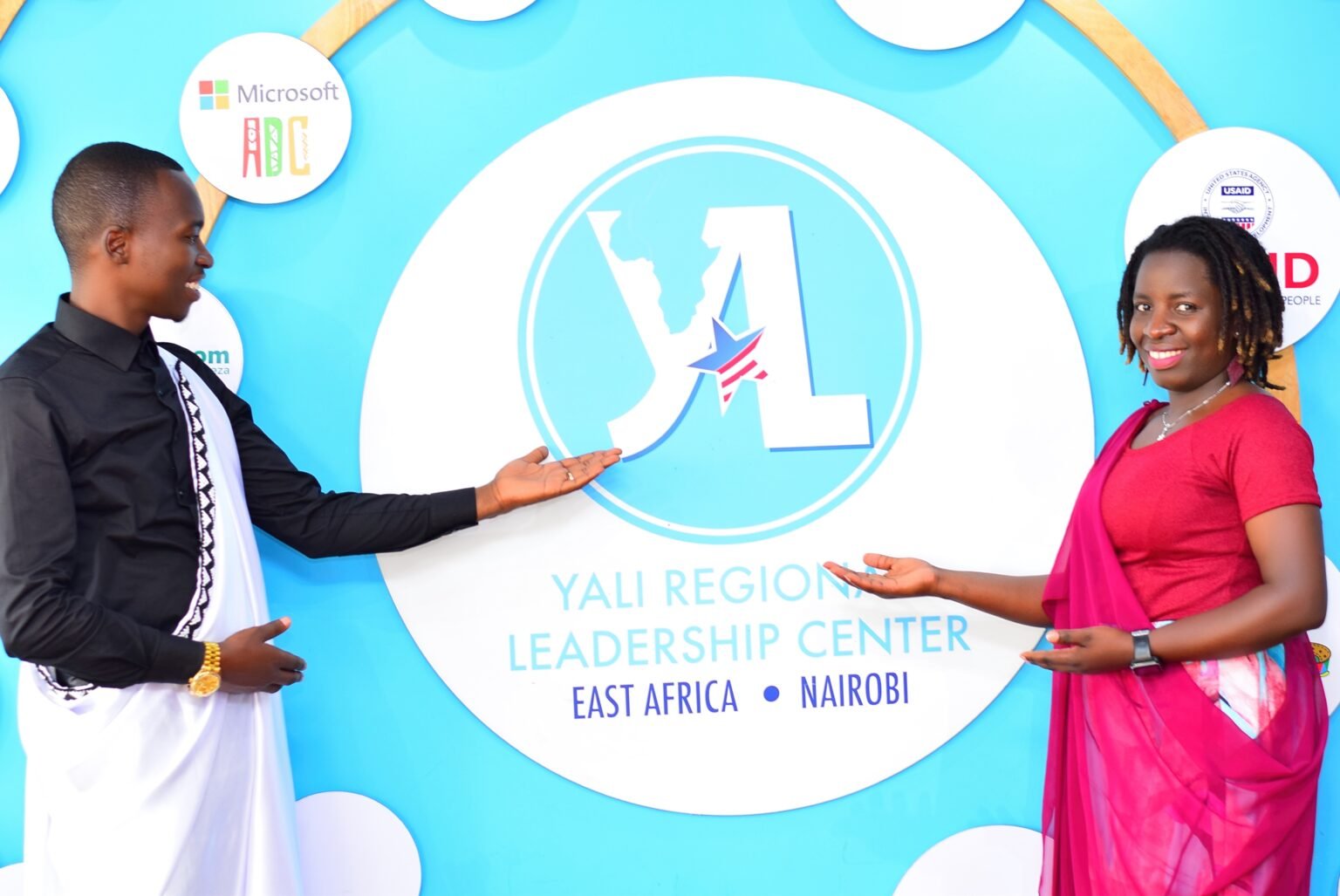
YALI Rwanda Chapter Legacy Leaders Training Programme 2026
Applications are open for the YALI Rwanda Chapter Legacy Leaders Training Programme 2026, a leadership development initiative designed to equip young African leaders with the knowledge, practical skills and professional networks needed to create positive change in their communities. The programme extends the leadership curriculum of the Young African Leaders Initiative Regional Leadership Center East Africa to emerging leaders through training across several professional and community development tracks. The programme is delivered by the Young African Leaders Initiative Rwanda Chapter, a nonprofit organisation established by former participants of the YALI Regional Leadership Center East Africa. Its mission is to empower young people with the capabilities and connections required to contribute to community development, responsible governance and positive social change. The training focuses on developing leaders who can turn ideas into meaningful action. Participants have opportunities to strengthen their leadership abilities, learn from experienced mentors and connect with other young people working towards similar goals. The programme is intended for emerging leaders who are interested in public service, entrepreneurship, technology, management and civic engagement. About the Opportunity The YALI Rwanda Chapter Legacy Leaders Training Programme builds on the wider Young African Leaders Initiative approach to youth leadership development. It aims to prepare young people to take responsible roles in their communities and professional environments by strengthening their understanding of leadership, governance, collaboration and accountability. The programme recognises that effective leadership requires more than holding a formal position. Leaders must be able to communicate clearly, work with people who have different perspectives, understand the needs of their communities and make decisions that reflect ethical principles. Through its different learning tracks, the programme welcomes young people interested in developing practical leadership skills relevant to their chosen fields. Participants are expected to engage actively in the learning process and demonstrate a commitment to applying their knowledge in ways that benefit their countries and communities. The initiative also provides an opportunity to connect with other emerging leaders across the region. These relationships can support peer learning, collaboration and the exchange of ideas about challenges facing communities and institutions. Opportunity Benefits Selected participants can benefit from the following: • Practical training in leadership and governance. • Mentorship from experienced leaders within their chosen track. • Access to a regional network of young African changemakers. • Development of communication, collaboration and leadership skills. • A verifiable credential and certificate of completion. • Opportunities to strengthen their understanding of ethical and accountable leadership. • Knowledge and skills that can be applied to community service, professional responsibilities and local initiatives. Programme Areas Applicants can explore the following tracks according to their interests and experience. • Civic Leadership: Focuses on leadership in community affairs, public service, civic participation and initiatives that address social challenges. • Business and Entrepreneurship: Intended for aspiring entrepreneurs and business minded young leaders seeking to strengthen their ability to develop ideas, manage initiatives and contribute to economic activity. • Public Management: Relevant to individuals interested in public institutions, administration, governance and improving the delivery of services. • Emerging Technology: Suitable for young leaders interested in technology and its potential to address community, organisational and development challenges. • Crosscutting: Provides a broader leadership pathway for applicants whose interests connect several areas of professional and community development. Applicants should review the current application portal to confirm which tracks are accepting applications for the 2026 training cycle. Eligibility Criteria Applicants should meet the following requirements: • Be between 18 and 35 years old at the time of application. • Be a citizen of Burundi, the Central African Republic, the Democratic Republic of the Congo, Djibouti, Eritrea, Ethiopia, Kenya, the Republic of the Congo, Rwanda, Somalia, South Sudan, Sudan, Tanzania or Uganda. • Be able to obtain any visa required for participation in Rwanda if applicable to the selected programme arrangements. • Demonstrate proficiency in English, including reading, writing, listening and speaking. • Have never attended YALI Regional Leadership Center training. • Demonstrate an interest in leadership and a commitment to positive change in their country or community. Applicants may currently live inside or outside their country of citizenship, provided they satisfy the citizenship and other eligibility requirements. Previous participants of YALI Regional Leadership Center training are not eligible under the published criteria. Selection Criteria Applications are assessed on evidence of leadership potential, community engagement and commitment to ethical conduct. Applicants should be prepared to explain their experiences and motivations clearly. Selection panels may consider the following: • Demonstrated leadership in public service, business, entrepreneurship or civic life. • Active participation in community service, volunteering or mentoring. • Ability to cooperate with people who hold different opinions and perspectives. • Clear communication skills and a positive, engaged attitude. • Knowledge of and interest in the chosen programme track. • Relevant experience connected to the applicant’s selected track. • Understanding of ethical and accountable leadership. • A clear commitment to applying leadership skills for the benefit of a community or country. • Thoughtful and original responses to questions about leadership and personal experience. Applicants should use specific examples rather than relying only on general statements about their ambitions. Explaining what they have done, what they learned and how they intend to apply the training can help demonstrate their readiness. Required Application Information Applicants should prepare to provide information that demonstrates their background, interests and leadership potential. The application may request: • Personal and contact information. • Citizenship and age information to establish eligibility. • Educational and professional background, where requested. • Experience in leadership, community service, volunteering or mentoring. • The preferred programme track. • Written responses reflecting on leadership experiences, motivations and community engagement. • Examples demonstrating a commitment to ethical and accountable leadership. Applicants should consult the live application form for the exact questions and any additional requirements. They should ensure that written responses are original, accurate and relevant to the selected track. How to Apply Review the programme information. Visit the YALI Rwanda Chapter website and read the eligibility requirements, programme tracks and current application instructions. Check
Heinz Heinen Fellowship Program 2027 to 2028 at the University of Bonn, Germany
Applications are open for the Heinz Heinen Fellowship Program 2027 to 2028, an international research fellowship hosted by the Bonn Center for Dependency and Slavery Studies (BCDSS) at the University of Bonn in Germany. The programme brings together researchers and other knowledge producers whose work examines Strong Asymmetrical Dependency (SAD) and slavery across different historical periods, societies and cultural contexts. The fellowship provides selected participants with time, research resources and an opportunity to engage with an international academic community. It is designed for scholars who want to advance their research, exchange ideas across disciplines and contribute to a deeper understanding of systems of dependency, bondage, slavery and related social structures. The programme welcomes applicants at different career stages, including doctoral candidates approaching the completion of their PhD, junior postdoctoral researchers, more experienced postdoctoral scholars, full professors and alternative knowledge producers. The latter category can include journalists, artists, creative professionals, museum professionals, curators and intellectuals whose work contributes to relevant discussions. About the Fellowship The Heinz Heinen Fellowship is part of the Bonn Center for Dependency and Slavery Studies, a Cluster of Excellence supported through Germany’s Excellence Strategy. The centre investigates strong asymmetrical dependencies, including slavery, serfdom, debt bondage and other durable forms of unequal social relationships. Rather than treating slavery and freedom as a simple binary, the centre examines the different structures, conditions and experiences through which dependency has operated across time and place. Its interdisciplinary approach encourages researchers to consider historical evidence, social institutions, power relations and the methods used to understand these phenomena. The fellowship is intended to support independent research while creating opportunities for intellectual exchange. Fellows can bring their own projects to Bonn, contribute their expertise to the centre’s activities and learn from researchers working in related fields. The programme accommodates different professional circumstances. Depending on the fellowship category, participants may stay for several months or up to a year. Shorter stays may also be possible where appropriate. Fellowship Benefits Selected fellows can receive the following benefits, depending on their category and circumstances: • Monthly stipend: €1,700 for doctoral fellows, €2,600 for junior postdoctoral fellows, €3,100 for postdoctoral fellows and €3,600 for senior fellows. • Travel allowance: Support for the outward and return journey for fellows who do not live in Bonn or the surrounding area. • Accommodation support: A lump sum in addition to the monthly stipend for eligible fellows who live outside the Bonn area. • Research workspace: Access to a working space, including a desktop computer, at the Bonn Center for Dependency and Slavery Studies. • Workshop opportunities: The opportunity to organise a research workshop in Bonn and apply for funding in accordance with the centre’s funding guidelines. • Academic exchange: Opportunities to present research, participate in seminars, attend lectures and engage with other scholars. • Publication opportunities: Information about potential publication routes through the centre’s peer reviewed formats. • Arrival and administrative assistance: Support with organisational matters before and after arrival in Bonn. • Childcare assistance: Support in finding daycare for children. The stipend differs by career category. Applicants should confirm the applicable accommodation allowance and travel arrangements with the programme before making financial plans. Fellowship Categories The programme accepts applications from several groups. • Doctoral Fellows: Candidates who are approaching the completion of their PhD. Fellowships may last up to six months. • Junior Postdoctoral Fellows: Researchers who completed their PhD no more than four years before the fellowship. Fellowships may last up to twelve months. • Postdoctoral Fellows: Researchers who completed their PhD more than four years before the fellowship, including postdoctoral researchers and assistant or associate professors. Fellowships may last up to twelve months. • Senior Fellows: Full professors seeking time and a suitable research environment to pursue relevant projects. • Alternative Knowledge Producers: Professionals such as journalists, artists, creatives, museum professionals, curators and intellectuals whose work relates to the programme’s research interests. Research Areas Applicants should explain how their projects relate to the BCDSS research agenda. Relevant areas include: • Transitions and transformations of strong asymmetrical dependencies. • Economies of strong asymmetrical dependencies. • Power, violence and trauma. • Cultural heritage, transitional justice and memory cultures. • Alternative archives and life writing. Applicants should identify one or two relevant research areas and clearly explain how their proposed work contributes to the centre’s research priorities. Eligibility Criteria Applicants should review the requirements for their intended fellowship category before preparing an application. • Applicants must fit one of the eligible categories, such as doctoral candidates nearing completion, junior postdoctoral researchers, experienced postdoctoral scholars, full professors or alternative knowledge producers. • Proposed research must relate to Strong Asymmetrical Dependency, slavery or associated themes within Dependency and Slavery Studies. • Applicants should demonstrate a clear research interest and explain the relevance of their project to the BCDSS. • Researchers should be able to describe their project, methodology and intended research outcomes. • Applicants must indicate their preferred period of residence or research activity in Bonn. • Application documents must be prepared in English. • Applicants must provide the supporting documents required for their specific category. Required Application Materials The required materials depend on the applicant’s professional stage. Doctoral Fellows • Personal statement or motivation letter of no more than 9,000 characters, excluding spaces. • Description of the dissertation structure and its current status. • Detailed work plan explaining how the applicant intends to complete the dissertation. • Explanation of the project’s relevance to the BCDSS and one or two research areas. • Preferred period of stay in Bonn. • Curriculum vitae of no more than two pages. • Publication list, if applicable. • Copies of degree certificates. • Proof of doctoral enrolment or admission as a doctoral student. • Two recommendation letters, including one from the doctoral supervisor. Postdoctoral Fellows • Personal statement of no more than 6,000 characters, excluding spaces, explaining the research interest, project, methodology and relevance to the BCDSS. • Preferred period of stay in Bonn. • Curriculum vitae of no more than two pages. • List of