
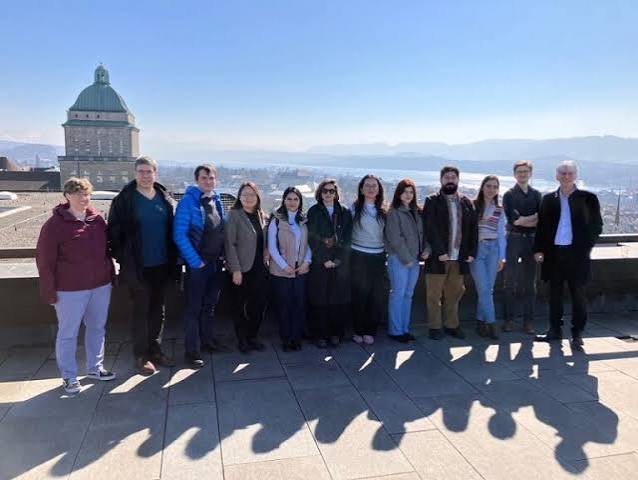
Applications are open for the Center for Eastern European Studies CEES Fellowship Program 2027 at the University of Zurich in Switzerland. The programme offers five to six residential fellowships for talented and innovative young or mid career scholars working in the social sciences or humanities. The fellowship is designed for researchers whose work focuses on historical or contemporary issues related to Russia, Eastern Europe, the Caucasus, or Central Asia. For the Spring 2027 cohort, the Center for Eastern European Studies is particularly interested in research examining geopolitical trends, economic connectivity, and transnational social or cultural issues connected to the South Caucasus. The fellowship will take place at the University of Zurich for up to four months, beginning in mid February 2027. Fellows will pursue their independent research while participating actively in the academic activities of the Center for Eastern European Studies. They will have access to relevant libraries, research facilities, and an interdisciplinary community of scholars. About the Fellowship The Center for Eastern European Studies is an interdisciplinary centre at the University of Zurich dedicated to research and teaching on Eastern Europe, Russia, and the wider post Soviet space. The fellowship programme supports scholars pursuing individual research projects while encouraging academic exchange and interdisciplinary discussion. The Spring 2027 fellowship will last up to four months and will be based in Zurich. Fellows are expected to work on their research projects in residence and participate in the scholarly activities of CEES. Applicants from around the world are welcome. However, the programme gives preference to scholars who are residents of countries within the CEES geographical area, including Russia, Eastern Europe, the Caucasus, and Central Asia. Early career researchers and scholars working at higher education institutions on topics connected to CEES research priorities are particularly encouraged to apply. Fellowship Benefits • Stipend for living expenses during the fellowship period • Funding for travel and relevant administrative costs • Health insurance support • Visa support • Workspace at the Center for Eastern European Studies • Access to relevant University of Zurich libraries • Access to an interdisciplinary academic community • Assistance with finding accommodation in the Zurich area • Opportunity to present research through a lecture, seminar, or workshop • Opportunity to develop research findings for publication through CEES outlets • Academic exchange with scholars working on Eastern Europe and Eurasia Programme Areas The fellowship welcomes research in the social sciences and humanities concerning: • Russia • Eastern Europe • The Caucasus • Central Asia • Historical studies • Contemporary regional issues For the Spring 2027 call, particular interest is given to: • Geopolitical trends • Economic connectivity • Transnational social issues • Transnational cultural issues • Issues concerning the South Caucasus Eligibility Criteria • Applicants must be interested in historical or contemporary topics concerning Russia, Eastern Europe, the Caucasus, or Central Asia. • Research must fall within a discipline in the social sciences or humanities. • Applicants may come from any country. • Applicants who are early in their academic careers are particularly encouraged to apply. • Scholars working at higher education institutions on topics related to CEES research priorities are encouraged to apply. • Preference may be given to applicants who are residents of Russia, Eastern Europe, the Caucasus, or Central Asia. • Applicants must be enrolled or employed at their home university. • Applicants must be able to undertake the fellowship in residence at the University of Zurich. • Applicants should be prepared to participate actively in CEES scholarly activities. Required Application Materials Applicants must prepare the following documents: • Letter of motivation • Research proposal of three to five pages • Curriculum vitae including a publication list • Short writing sample such as an academic article or book chapter • Short proposal for a workshop to be held at CEES • Two letters of recommendation or the names of two referees • All application materials must be written in English • All materials should be combined into a single PDF document How to Apply Review the official CEES Fellowship Program 2027 call and confirm that your research fits the eligible geographical and disciplinary areas. Prepare a letter of motivation explaining your academic background, research interests, and reasons for applying. Prepare a three to five page research proposal describing your project in sufficient detail. Prepare your curriculum vitae, including your publication record. Select a suitable English language writing sample, such as an academic article or book chapter. Prepare a short proposal for the lecture, seminar, or workshop you would offer during your fellowship. Provide two recommendation letters or the names of two suitable referees. Combine all application materials into one PDF document. Submit the complete application to the Center for Eastern European Studies at cees@isos.uzh.ch.
Royal Society Career Development Fellowship 2027
Applications are open for the Royal Society Career Development Fellowship 2027, a four year postdoctoral research fellowship designed to support talented early career scientists from underrepresented backgrounds in STEM. The fellowship provides research funding, mentoring, training and networking opportunities to help researchers establish successful independent research careers in the United Kingdom. The programme is offered by the Royal Society, the United Kingdom’s national academy of sciences. The Career Development Fellowship aims to support researchers who are at the early stages of their postdoctoral careers and provide them with the resources and professional development opportunities needed to build a strong foundation for long term careers in science and engineering. The 2027 fellowship is open to researchers from Black heritage backgrounds who meet the programme’s academic and career stage requirements. Applicants can be of any nationality, and both UK and non UK domiciled researchers can apply provided they meet the eligibility requirements and intend to conduct their research at a UK institution. Successful applicants can receive up to £703,800 over four years. The funding can contribute towards the Research Fellow’s salary and associated costs, directly allocated costs and research expenses. Additional support can also be requested for relocation and visa costs for the Fellow and eligible dependants. About the Fellowship The Royal Society Career Development Fellowship is a four year postdoctoral programme created to increase opportunities for talented researchers from underrepresented backgrounds to establish research careers in UK STEM academia. The fellowship provides an opportunity to undertake curiosity led research while receiving structured professional support. Fellows benefit from a tailored programme of mentoring, training and engagement designed to help them develop research independence, strengthen professional networks and prepare for future research leadership. The programme is currently operating as a pilot focused on researchers from Black heritage backgrounds. The Royal Society states that the pilot may be broadened to other underrepresented groups in the future. Fellowship Benefits • Up to £703,800 in funding over four years • Contribution towards the Research Fellow’s salary and associated costs • Funding for directly allocated costs • Research expenses covered at 100% • Relocation costs for the Fellow • Visa costs for the Fellow and eligible dependants • Bespoke training and mentoring programme • Networking and professional development opportunities • Leadership training • Science communication and public engagement opportunities • Opportunities to engage with Royal Society science policy and schools programmes • Flexible arrangements that can accommodate personal circumstances • Support for eligible childcare costs connected with conferences, collaborative research visits and invited talks Research Areas The fellowship supports research within the Royal Society’s natural sciences remit. Relevant areas include: • Biological sciences • Biomedical sciences • Chemistry • Engineering • Mathematics • Physics • Other areas falling within the Royal Society’s natural sciences remit Applicants should ensure that their proposed research falls within the subjects supported by the Royal Society. Eligibility Criteria • Applicants must self identify as being from a Black heritage background, including mixed Black backgrounds • Applicants must be UK nationals, or must have completed part of their undergraduate, Master’s or PhD education in the UK, or must have held a postdoctoral researcher position in the UK • Applicants must hold a PhD or expect to have obtained a PhD by the time the fellowship funding begins • Applicants must have less than 24 months of postdoctoral experience • Proposed research must fall within the Royal Society’s natural sciences remit • Applicants may be of any nationality • Both UK and non UK domiciled researchers can apply • Research must be conducted at a UK institution • Applicants requiring a visa can be eligible for the Global Talent Visa fast track endorsement route How to Apply Review the Royal Society Career Development Fellowship eligibility requirements and scheme notes. Confirm that your research falls within the Royal Society’s supported natural sciences areas. Identify a suitable UK institution where the proposed research will be conducted. Develop a strong research proposal that clearly explains the scientific importance and potential contribution of the work. Prepare the required information and supporting materials in accordance with the Royal Society application guidance. Submit the application through the Royal Society Flexi Grant system before the deadline. If shortlisted, prepare to attend the in person interview and present the importance and scientific validity of your proposed research.

Halcyon Africa Innovation in Agriculture and Food Security Accelerator 2027
Applications are open for the Halcyon Africa Innovation in Agriculture and Food Security Accelerator 2027, a programme supporting early stage, impact driven ventures across Sub Saharan Africa that are developing market based solutions for agriculture and food security. The programme is designed for founders whose ventures are working to improve the livelihoods and resilience of smallholder farmers, strengthen food systems and help communities respond to climate related challenges. The accelerator is offered by Halcyon, a global organisation supporting impact driven entrepreneurs through business training, community, mentorship and access to resources. Halcyon’s programmes focus on ventures where measurable social or environmental impact is embedded within the business model. The 2027 programme will use a hybrid format combining virtual programming with in person residencies. Selected entrepreneurs will participate in a residency in Accra, Ghana, followed by a second residency in Nairobi, Kenya, alongside virtual sessions designed to support venture development, leadership and growth. About the Accelerator The Halcyon Africa Innovation in Agriculture and Food Security Accelerator supports entrepreneurs using commercially viable approaches to address challenges affecting agriculture and food systems across Sub Saharan Africa. The programme places particular emphasis on ventures that serve smallholder farmers and low income or vulnerable communities. Solutions may address productivity, access to agricultural inputs, climate resilience, finance, food distribution, post harvest losses, market access, data and digital services. Halcyon describes its impact driven ventures as for profit, scalable companies where impact is an essential part of the business model. The organisation evaluates ventures based on impact, scalability, innovation and the capabilities of the founding team. The 2027 programme is expected to accept up to 10 ventures. The programme structure includes a virtual kickoff, an in person residency, monthly virtual meetings and a concluding in person residency. Opportunity Benefits • Up to $10,000 equity free stipend per venture • $10,000 AWS credits • Access to Halcyon’s global community of more than 650 founders • Professional advisors • Expert workshops on leadership development • Training on capital strategy • Support for product market fit • Networking with investors and other stakeholders • Opportunities to build relationships within the Halcyon alumni community • Continued benefits and connections after completing the programme • Participation in a residency in Accra, Ghana • Participation in a residency in Nairobi, Kenya • Virtual programming and founder development sessions Programme Areas Applicants may develop solutions in areas including: • Climate smart and resilient agriculture • Regenerative agriculture and soil health • Drought resistant crops and agricultural inputs • Farm productivity and precision agriculture • Farm management technology • Agricultural mechanisation • Water efficiency and irrigation • Solar powered irrigation • Drought management • Agricultural data and climate intelligence • Digital agricultural extension services • Agronomic advisory services • Weather and climate information • Early warning systems • Market access and farmer aggregation • Agricultural marketplaces • Cooperative and farmer platforms • Off take solutions • Agri fintech and farmer financial resilience • Agricultural credit and input financing • Agricultural payments and insurance • Supply chain and logistics • Cold chain solutions • Post harvest loss reduction • Storage, cooling and processing • Food value addition • Food security and nutrition • Affordable food access • Traceability and transparency • Quality grading and certification • Resilient agricultural value chains • Other technology enabled agriculture and food security solutions Eligibility Criteria To be considered for the Halcyon Africa Innovation in Agriculture and Food Security Accelerator, applicants should meet the following requirements: • Be based in Sub Saharan Africa • Be working on a venture that addresses agriculture, food security or a closely related challenge • Have a minimum viable product or another workable version of the product • Be beyond the idea stage • Have users or paying customers • Demonstrate early commercial traction through revenue, paid pilots, customer contracts or similar evidence of market demand • Operate a for profit and scalable venture • Use a market based approach to strengthen agriculture and food systems • Demonstrate meaningful and measurable impact connected to one or more United Nations Sustainable Development Goals • Prioritise improving the livelihoods and resilience of smallholder farmers or low income and vulnerable communities • Work full time on the venture • Be at least 21 years old by the start of the programme • Be fluent in English • Have primary decision making authority within the venture • Apply as the chief executive officer or equivalent lead founder • Participate fully in programme activities, virtual sessions, residencies and events Selection Criteria Halcyon evaluates ventures through four main areas: • Impact: The venture should create measurable and meaningful change, particularly for underserved communities, with impact embedded in the core business model. • Scalability: The venture should demonstrate potential to grow its reach, revenue and impact through a commercially viable model. • Innovation: The product, process, business model or approach should provide distinctive value or introduce a meaningful improvement to an existing market. • Talent: Founders should demonstrate the drive, capabilities and commitment needed to grow the venture and achieve its intended impact. Halcyon’s selection process begins with an eligibility application. Ventures that meet the initial requirements and align with an upcoming programme may be invited to submit a more detailed second round application. Finalists may then pitch to a selection committee of external subject matter experts. Programme Timeline • Initial application deadline: October 23, 2026 • Invitational application deadline: October 30, 2026 • Pitch Days: December 7 and December 8, 2026 • Selected founders notified: December 18, 2026 • Virtual kickoff: February 9, 2027 • Accra residency: March 11 to March 19, 2027 • Virtual meetings: April 9, April 23 and May 7, 2027 • Nairobi residency: May 28 to June 4, 2027 The programme timeline combines virtual learning with two in person residencies intended to give founders practical opportunities for training, networking and venture development. Required Application Information Applicants should be prepared to provide information about: • The venture and its business model • The problem being addressed • The product

McKinsey Forward Program Fall 2026
Applications are now open for the McKinsey Forward Program Fall 2026, a free, multi-week online learning programme designed to help early-career professionals, career starters and individuals preparing for employment develop practical skills for the future of work. The McKinsey.org Forward Program focuses on transferable workplace skills that participants can apply across industries and career paths. The programme is available in more than 130 countries and is designed for people who want to reskill, strengthen their professional capabilities or prepare themselves for their next career opportunity. Through a structured learning journey combining digital courses, virtual learning events, assignments and reflection exercises, participants develop skills in areas including problem-solving, communication, adaptability, relationship building, digital tools and responsible use of emerging AI solutions. About the McKinsey Forward Program McKinsey.org Forward is a free 10-week learning programme delivered through a digital and virtual format. It is intended for people at different stages of their early careers, ranging from individuals preparing to enter the workforce to those already working and looking to advance or transition into new opportunities. The programme is built around practical learning rather than traditional classroom-based instruction. Participants complete self-paced digital courses, take part in virtual learning events, complete assignments and use reflection exercises to apply new skills to real workplace situations. The Core Skills level requires approximately two hours per week for 10 weeks. Participants who successfully complete the Core Skills level receive a personalized McKinsey.org Forward digital badge, which can be shared through social media and other digital channels. Program Benefits The McKinsey Forward Program provides participants with practical skills and tools that can be applied in different professional environments. Develop Structured and Creative Thinking Participants learn how to approach business and workplace challenges in a structured way while also using creative thinking to identify possible solutions. The programme is designed to help learners understand how problems can be reframed as opportunities and how structured approaches can support better decision-making. Improve Communication Skills Effective communication is another central component of the Forward programme. Participants learn how to communicate ideas clearly and effectively, with an emphasis on communicating in ways that encourage understanding and action from their audience. These skills can be useful when working with colleagues, presenting ideas, participating in meetings or communicating with clients and other stakeholders. Build Digital and AI Skills The programme also introduces participants to digital tools and emerging artificial intelligence-enabled solutions. Participants learn how to identify opportunities to use digital and AI tools responsibly and effectively. McKinsey.org describes this component as part of its focus on helping learners develop a practical digital toolkit for the modern workplace. Strengthen Adaptability The modern workplace continues to change, making adaptability an important professional skill. Forward helps participants develop greater adaptability and emotional awareness when working independently or as part of a team, particularly during periods of change. Build Stronger Professional Relationships Participants also learn approaches for developing and maintaining strong workplace relationships. The programme combines relationship-building skills with learning around personal well-being, helping participants think about how they can work effectively with others while maintaining sustainable professional habits. Earn a Digital Badge Participants who complete the Core Skills level receive a McKinsey.org Forward digital badge. The badge provides a way for graduates to demonstrate completion of the programme and share the achievement through digital channels. Eligibility Criteria Applicants can apply to the McKinsey Forward Program if they meet the programme’s eligibility requirements. Applicants must: Live in a country where McKinsey.org Forward is available. Be currently working, have previous work experience, or be preparing to start work within the next 12 months. Have less than five years of total work experience. Have completed at least a high school education or equivalent, such as a GED. Have a good command of English, French, Brazilian Portuguese, Latin American Spanish or Arabic, depending on the programme language available to them. How to Apply Interested applicants should first confirm that Forward is available in their country and review the eligibility requirements. To apply: Confirm that McKinsey.org Forward is available in your country. Check that you meet the work-experience requirements. Confirm that you have completed at least high school or an equivalent qualification. Ensure that you have sufficient command of one of the programme’s supported languages. Complete the online Forward application. Provide the requested information about your education and work experience. Submit your application before the deadline.

CITE Investigative Journalism Grants 2026
The CITE Investigative Journalism Grants 2026 are open to journalists interested in producing rigorous, evidence based investigations on issues affecting communities in Zimbabwe. The initiative is organised by the Centre for Innovation and Technology, CITE, to support journalism that goes beyond reporting events and instead uncovers new information, examines wrongdoing and strengthens public accountability. The grants are designed to support investigations that address issues of significant public interest, particularly matters involving public resources, government institutions, local authorities and public service delivery. Journalists can submit proposals independently or work in collaboration with locally based journalists and community reporters. Successful proposals will be eligible for a grant of up to US$800, depending on the quality, strength and scope of the proposed investigation. The funding is intended to support the reporting and production of the investigation, while CITE will also help successful stories reach wider audiences through its digital platforms and local media partners. About the Opportunity The CITE Investigative Journalism Grants support strong local journalism in Zimbabwe. CITE is particularly interested in investigations that begin with questions arising from local communities and examine how institutions, officials and public resources affect people’s lives. The programme seeks original, well researched and evidence based investigative story ideas. Proposals should have a clear investigative purpose and demonstrate what the journalist expects the reporting to uncover. The initiative is particularly relevant to journalists working on governance, accountability, public finance, corruption, procurement and public service delivery. Opportunity Benefits • Grant of up to US$800 for successful investigative proposals • Financial support for reporting and production costs • Publication of successful investigations on CITE’s website • Promotion through CITE’s social media platforms • Distribution through WhatsApp • Opportunity for stories to be made available to local media outlets for wider publication • Additional public engagement and distribution support through CITE’s digital platforms • Potential promotion through X Spaces where appropriate Investigation Areas Applicants are particularly encouraged to propose investigations examining: • Corruption and abuse of public resources • Failures in public service delivery • Accountability within local authorities • Accountability within government departments • Missing, misused or unaccounted for public funds • Irregularities in procurement and tender processes • Conflicts of interest • Abuse of public office • Weaknesses in public financial management • Other governance and accountability issues involving public resources CITE also welcomes community rooted investigations that can uncover information that is not already widely known or easily available to the public. Eligibility Criteria • Journalists based in Zimbabwe can apply • Applicants should have an original investigative story idea • The proposed investigation should address an issue of significant public interest • The story should be well researched and evidence based • Proposals should have a clear connection to communities in Zimbabwe • Journalists may report independently • Journalists may also collaborate with locally based journalists and community reporters • The proposed investigation should have potential to uncover new information or evidence • Applicants should be able to provide previous journalism work as samples • Applicants working through a media organisation should obtain editorial support for the proposed investigation Required Application Materials • A brief story idea explaining the issue to be investigated • Information about who or what is involved in the proposed investigation • An explanation of why the story matters to the community • An explanation of what the investigation could potentially uncover • Links or copies of previously published journalism • Preferably, investigative or public interest reporting samples • A letter or email from an editor confirming that the media organisation supports the proposed investigation How to Apply Develop a clear investigative story idea focused on an issue affecting communities in Zimbabwe. Explain the issue, the people or institutions involved, why the investigation matters and what you expect it could uncover. Prepare links or copies of your previous journalism work, preferably investigative or public interest reporting. Obtain a letter or email from your editor confirming support for the proposed investigation if you are working with a media organisation. Review your proposal to ensure that it is original, well researched, evidence based and focused on a matter of significant public interest. Submit your proposal by email to zenzele@cite.org.zw and lesley@cite.org.zw.
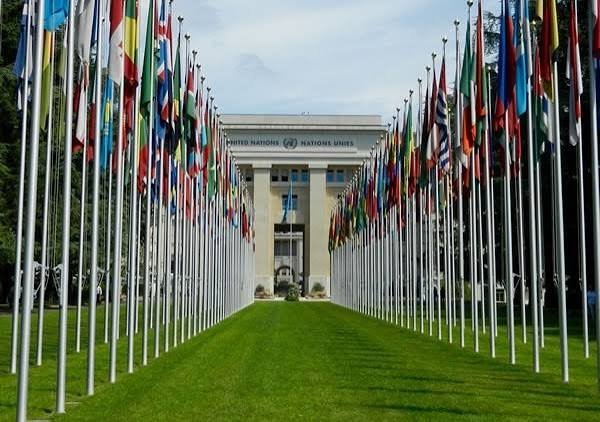
United Nations Office at Geneva UNOG Travel Document Client Services Internship 2026
Applications are open for the United Nations Office at Geneva UNOG Travel Document Client Services Internship. This opportunity offers students and recent graduates the chance to gain practical experience within a major United Nations office while developing skills in digital communication, multimedia production, content design, and client services. The internship is based in Geneva, Switzerland, within the Travel Document and Client Services Section of the Purchase and Transportation Section under Central Support Services in the Division of Administration at UNOG. The internship has a duration of six months and focuses on transforming complex procedural information into clear, accessible, and user friendly communication materials. The role is particularly suited to applicants with academic or professional interests in Media Production, Social Sciences, Information Technology, digital communications, graphic design, multimedia production, or related fields. Experience with digital and AI assisted content creation is considered an advantage. About the Internship The United Nations Office at Geneva is one of the major duty stations of the United Nations Secretariat and is based at the historic Palais des Nations in Geneva. The office supports a wide range of United Nations activities and provides administrative, logistical, conference, and other services that enable international cooperation. The Travel Document and Client Services Section is responsible for services connected with travel documentation and client support. The intern will contribute to improving how information about these services is communicated to clients. Working under the supervision of the TDCS Section Chief, the intern will help analyse existing procedures, identify common client difficulties, simplify information, and produce multimedia materials that make application processes easier to understand. The position provides exposure to user centred communication, visual storytelling, digital content development, interactive information formats, and emerging AI assisted production tools. Internship Benefits • Six month professional internship experience at UN Geneva • Practical experience within a United Nations office • Exposure to international administrative and client service operations • Hands on experience in digital communication and multimedia production • Experience developing infographics, explainer videos, visual workflows, and interactive guides • Opportunity to work with digital and AI assisted content creation tools • Experience analysing workflows and improving client facing information • Opportunity to collaborate with UN professionals and validate communication materials • Professional development in content structuring, visual communication, and digital strategy Important: The internship is unpaid. The United Nations does not financially remunerate interns. Travel, visa, accommodation, and living expenses are the responsibility of the intern or sponsoring institution. Internship Areas The internship may involve work in the following areas: • Digital communications • Multimedia production • Graphic design • Visual storytelling • Content development • User centred communication • Information technology • AI assisted media production • Client services • Web and intranet content • Administrative communication Responsibilities The selected intern may be responsible for the following activities: • Analyse existing workflows and identify important information and common difficulties experienced by clients. • Consolidate and simplify existing procedural information into clear and coherent information packages. • Design and produce infographics, short explanatory videos, interactive guides, and visual workflows. • Use digital and AI assisted tools for content generation, video editing, voiceover, visualization, and related production activities. • Develop visual narratives that guide users through application procedures step by step. • Assist with interactive and semi interactive formats such as clickable documents, web based guides, and simple decision trees. • Support the maintenance and updating of the section’s intranet webpage. • Work with colleagues to verify the accuracy of content and ensure that communications reflect operational procedures. • Analyse common application errors and contribute to improvements in client information. • Support testing and feedback collection for newly developed communication materials. • Provide additional communication, content, or administrative support when required. Eligibility Criteria Applicants should meet the following requirements: • Demonstrated interest in the work of the United Nations. • Be enrolled in or have completed a graduate school programme leading to a second university degree or equivalent or higher. • Alternatively, be enrolled in or have completed the final academic year of a first university degree programme. • Be pursuing or have pursued studies in Media Production, Social Sciences, Information Technology, or a related field. • Be able to demonstrate the educational criterion being used for eligibility and provide supporting documentation. • Professional work experience is not required for the UN Internship Programme. • Experience in digital communications is an advantage. • Experience in graphic design is an advantage. • Experience in multimedia production is an advantage. • Experience with AI assisted content creation is an advantage. • Fluency in English is required. • Knowledge of another United Nations official language is an asset. Required Application Materials Applicants should be prepared to provide: • Completed online UN Careers application • Proof of university enrolment or degree completion • Relevant academic information • Information demonstrating suitability for the internship • Any additional information requested through the official application system Applicants should ensure that all information provided in the application is accurate and complete. How to Apply Visit the official United Nations Careers portal. Search for Job Opening ID 284316, Travel Document Client Services Intern. Review the current vacancy status, eligibility requirements, and application instructions. Prepare the required educational documentation and other application information. Complete the online application form accurately and provide all requested details. Submit the application through the official United Nations recruitment system if the vacancy is still accepting applications. Keep copies of your application and supporting documents for your records.

Education Endowment Foundation Research Funding Opportunities 2026
The Education Endowment Foundation (EEF) has announced three research funding opportunities inviting legally constituted organisations and research teams to submit proposals addressing important questions in England’s education sector. The calls cover inclusive mainstream education and Special Educational Needs and Disabilities, technical and vocational teaching for learners aged 16 to 19, and continuity of examination boards for GCSE resit learners. These opportunities are designed for universities, education research organisations, research consultancies, policy institutes, research teams, and consortia with relevant expertise. Depending on the call, applicants may be expected to conduct qualitative research, classroom or college observations, quantitative analysis, impact evaluation, process evaluation, or mixed methods research. The three opportunities form part of the EEF’s wider programme of generating evidence that can inform education practice, guidance, research commissioning and policy in England. The EEF confirms that organisations do not necessarily need to be based in England, although organisations based elsewhere must demonstrate sufficient understanding of the English education system and the ability to deliver relevant research. About the Research Funding Opportunities The three EEF calls address different areas of education. The first is a practice review examining how schools develop inclusion strategies and approach spending through the Inclusive Mainstream Fund. The second is a practice review examining teaching approaches in technical and vocational education for learners aged 16 to 19. The third is an evaluation examining whether maintaining the same examination board for GCSE resits is associated with differences in English and mathematics outcomes. The EEF publishes these opportunities as open calls for research proposals. Applicants do not need to be members of the EEF panel of evaluators. Applications must be submitted by legally constituted organisations rather than individuals. Research Opportunity Areas Inclusive Mainstream Fund and Inclusion Strategies This practice review will examine how schools in England are developing inclusion strategies and making decisions about the Inclusive Mainstream Fund. The research will seek to: • Map current approaches to developing inclusion strategies across different school settings. • Examine how schools are approaching Inclusive Mainstream Fund spending. • Explore differences in practice between schools and settings. • Investigate reported changes in behaviours, beliefs and decision making associated with the new policies. • Identify emerging practices that could inform future EEF guidance and research. The EEF welcomes proposals using different research methods and is open to innovative approaches. A mixed methods design may be appropriate depending on the research questions and proposed methodology. The main output will be a written research report expected to be published by the end of March 2027. Findings may contribute to future EEF guidance relating to inclusion, future research activity and advice to policymakers. Deadline: 12pm on Monday, October 19, 2026. 16 to 19 Technical and Vocational Teaching The second opportunity focuses on teaching practices in technical and vocational education for learners aged 16 to 19. Researchers will investigate teaching practices across selected technical and vocational subject areas and examine how these approaches align with or differ from practices identified in the Initial Teacher Training and Early Career Framework used in schools. The research aims to: • Understand current teaching practice in technical and vocational education. • Identify whether teaching practices from the schools framework are used in technical and vocational settings. • Determine whether some teaching practices are more prevalent than others. • Identify additional teaching practices that may not be represented in the framework. • Explore whether higher performing colleges demonstrate common teaching approaches. College visits and observations are expected to be an important part of the research plan. Proposals should also include a short feasibility phase involving a small number of colleges to test the proposed subject areas, classroom practices and observation approach. Deadline: 5pm on Friday, October 16, 2026. 16 to 19 Setting Choices: GCSE Resit Examination Board Continuity The third call focuses on learners aged 16 to 19 who are resitting GCSE examinations in England. The EEF is seeking research proposals to investigate whether keeping the same examination board between a learner’s original GCSE sitting and their resit is associated with improved English and mathematics outcomes. The expected research approach includes: • A causal impact evaluation using a quasi experimental design. • A light touch implementation and process evaluation. • Subgroup analysis of disadvantaged learners. The research will examine whether examination board continuity is associated with differences in outcomes and will contribute evidence to the EEF’s wider work on setting choices in the 16 to 19 education sector. Deadline: 5pm on Monday, October 12, 2026. Opportunity Benefits Successful research teams will have the opportunity to: • Conduct research commissioned by the Education Endowment Foundation. • Generate evidence relevant to education practice in England. • Contribute to future EEF guidance and research priorities. • Investigate important questions affecting schools, colleges and learners. • Produce research that may inform education policy and decision making. • Work with complementary research expertise through collaborative consortia where appropriate. • Contribute evidence to the development of future education interventions and evaluations. Eligibility Criteria Applicants should meet the requirements of the specific research call they are applying for. • Applications must be submitted by legally constituted organisations. • Individual researchers cannot apply independently. • Universities, research organisations, research consultancies and policy institutes may be eligible. • Research consortia may apply where they can demonstrate complementary expertise and effective collaboration. • Applicants do not need to be members of the EEF panel of evaluators. • Organisations outside England may apply where permitted by the relevant call. • International applicants must demonstrate knowledge of the English education system. • International applicants must demonstrate that their proposed research will produce outputs relevant to England. • Applicants should demonstrate appropriate research expertise for the selected opportunity. For the technical and vocational teaching review, relevant experience includes qualitative education research, knowledge of pedagogy and understanding of the 16 to 19 sector. For the GCSE resit research, applicants should have experience conducting impact and process evaluations in the 16 to 19 sector. Required Application Information Applicants should consult the complete tender documents for the exact requirements
Youth At Every Decision Making Table Grant 2026
The Youth At Every Decision Making Table Grant 2026 is a funding opportunity from Youth Service America, supported through an AmeriCorps MLK Day of Service grant. The program is designed to help eligible organizations across the United States create or strengthen formal structures that give young people meaningful opportunities to participate in leadership, community service, civic engagement, and organizational decision making. Selected organizations will receive a $2,000 grant to develop a new Youth Council or similar youth leadership structure, or to expand an existing one. In addition to the grant funding, recipients will be expected to organize a Youth Leadership Summit around Martin Luther King Jr. Day and create continued opportunities for youth voice, leadership, and decision making through The Civic Season. A total of $50,000 is available, with 25 citywide, regional, or statewide organizations expected to receive grants. Each grantee must also provide and document $1,000 in matching support, which can consist of cash or qualifying in kind contributions. About the Opportunity Youth Service America is a national organization focused on helping young people find their voice, take action, and develop civic and leadership skills through service. Its programs support youth led projects, community engagement, leadership development, and opportunities for young people to contribute to their communities. The Youth At Every Decision Making Table Grant builds on this mission by encouraging organizations to move beyond occasional youth consultation and establish more consistent structures through which young people can influence decisions. Grant funding can be used to support the creation of a new Youth Council or similar structure, or to strengthen an existing youth leadership group. The program is intended to help young people participate in planning, leadership, community service, organizational discussions, and other decision making activities. The grant is connected to MLK Day of Service on January 18, 2027. Successful organizations will also organize a Youth Leadership Summit between January 11 and January 25, 2027, with the event encouraged to take place as close as possible to January 18. The program also looks beyond the MLK Day period. Organizations are expected to create continuing opportunities for youth voice, leadership, and decision making through the remainder of the 2026 to 2027 academic year and The Civic Season, which runs from Juneteenth through July 4. Opportunity Benefits • $2,000 grant for each selected organization • Support for creating a new Youth Council or similar leadership structure • Funding to expand an existing youth leadership structure • Opportunity to organize a Youth Leadership Summit • Training related to youth voice and leadership • Training in youth adult partnerships • Training in community service project design • Opportunities to strengthen ongoing youth participation • Support for connecting young people with community service and civic engagement • Opportunity to build longer term youth decision making structures Grant Requirements Successful organizations will be expected to: • Create or expand a Youth Council or similar youth leadership structure • Organize a citywide, regional, or statewide Youth Leadership Summit • Hold the Summit between January 11 and January 25, 2027 • Engage at least 200 youth and adults through the Summit and related opportunities • Provide training in youth adult partnerships, youth voice, youth leadership, and community service project design • Create opportunities for continued youth participation after MLK Day • Continue youth engagement through The Civic Season • Provide and document $1,000 in matching cash or in kind support • Participate in required YSA training Eligible Organizations The grant is open to eligible organizations in the United States. Organizations identified by Youth Service America include: • K 12 schools • Higher education institutions • Out of school time programs • Afterschool programs • Positive youth development organizations • Community based organizations • Faith based organizations • State governments • Local governments Organizations should have sufficient capacity to work with young people, establish or strengthen a youth leadership structure, organize the required Summit, and engage at least 200 youth and adults. Required Application Information Applicants should be prepared to provide information about: • Organization name and type • Contact information • Mailing address and state • Organization website • Current programs and activities • Experience working with young people • Experience with youth voice and leadership • Experience involving young people in decision making • Plans for creating or expanding a Youth Council • Goals for the youth leadership structure • Youth recruitment strategy • Plans for inclusive youth representation • Preliminary Youth Leadership Summit plans • Expected number of youth and adults engaged • Plans for continued youth engagement • Preliminary $2,000 budget • Proposed source of the $1,000 matching support How to Apply Review the eligibility requirements and confirm that your organization falls within one of the eligible organization categories. Assess your organization’s existing youth engagement and leadership activities. Decide whether you will create a new Youth Council or strengthen an existing youth leadership structure. Develop a clear plan for youth recruitment, including strategies for reaching young people who are traditionally underrepresented in leadership opportunities. Develop preliminary plans for the Youth Leadership Summit around MLK Day. Plan how your organization will engage at least 200 youth and adults through the Summit and related activities. Develop a plan for continuing youth voice, leadership, and decision making opportunities through the remainder of the academic year and The Civic Season. Prepare a preliminary $2,000 budget and identify the required $1,000 matching support. Complete the Youth Service America online application with accurate information about your organization and proposed activities. Submit the application by October 25, 2026, at 11:59 p.m. local time.

MAKE/SENSE PhD Programme 2026 at Academy of Art and Design Basel FHNW, Switzerland
The MAKE/SENSE PhD Programme 2026 at the Basel Academy of Art and Design FHNW in Switzerland offers an opportunity for artists, curators, publishers, designers and cultural organisers to pursue doctoral research through interdisciplinary and practice based approaches. The programme is organised in collaboration with the University of Arts Linz in Austria and is hosted by the Critical Media Lab at the Institute Experimental Design and Media Cultures in Basel. The three year doctoral programme is designed for researchers whose work engages with artistic research, critical media, experimental design, publishing, cultural production, technology, society and infrastructures. Rather than requiring projects to fit within a conventional academic discipline, MAKE/SENSE encourages research that crosses disciplinary boundaries and develops new approaches to how knowledge is produced, communicated and shared. The programme combines individualised mentoring with joint supervision from faculty in Basel and Linz. Doctoral researchers participate in monthly colloquia, an annual assembly, public events and collaborations with external partners. Research outcomes may include artistic interventions, publications, exhibitions, performances, installations, fieldwork, software critique and other practice based forms of research. About the MAKE/SENSE PhD Programme MAKE/SENSE is a three year practice based PhD programme developed jointly by the Basel Academy of Art and Design FHNW and the University of Arts Linz. It is hosted by the Critical Media Lab in Basel and brings together research in art, design, media and technology. The programme is grounded in critical, experimental and transdisciplinary research. Candidates are encouraged to develop research projects that respond to contemporary social, technological, political and infrastructural questions through situated and experimental approaches. The programme supports doctoral researchers through: • Individualised mentoring • Joint supervision from Basel and Linz • Monthly research colloquia • An annual assembly • Public events • Collaborations with external partners • Interdisciplinary research and exchange • Practice based forms of reading and writing Programme Areas Applicants should develop projects that connect with at least one of the programme’s principal areas of concern. Situated Artistic Research Situated Artistic Research explores forms of knowledge that emerge through artistic practice, embodied experience, experimentation and situated perspectives. Projects may examine how artistic practices can become methods of inquiry and knowledge production. Applicants may also investigate alternative forms of knowledge and question conventional assumptions about how research is conducted and whose knowledge is recognised. Infrastructural Critique Infrastructural Critique examines infrastructures as spaces where power, knowledge, institutions, technology and social relations are produced and contested. Projects may address technological infrastructures, institutional systems, research environments, organisational structures and the social consequences of technologies. Research may also explore possibilities for transforming, reimagining or developing alternative infrastructures. Critical Media Critical Media focuses on how knowledge is read, written, mediated, published, circulated and interpreted. Applicants may explore publishing, experimental writing, expanded media, cultural circulation and alternative methods of communicating knowledge. The area is particularly relevant to projects interested in the relationship between media formats and the production, interpretation and circulation of knowledge. Eligibility Criteria Applicants should meet the following requirements: • Be an artist, curator, publisher, designer or cultural organiser • Hold a Master of Arts degree equivalent to 120 ECTS or an equivalent qualification • Have a research project that aligns with at least one of the programme areas • Be prepared to undertake practice based and interdisciplinary doctoral research • Demonstrate an appropriate academic, creative, professional or research background • Be able to communicate the proposed research clearly in the application materials The programme welcomes applicants whose research crosses conventional disciplinary boundaries. Opportunity Benefits • Three year practice based PhD programme • Joint supervision between Basel and Linz • Individualised mentoring • Monthly colloquia • Annual research assembly • Public events • Collaboration with external partners • Interdisciplinary research environment • Access to a research community connecting art, design, media and technology • Opportunities to develop practice based research outputs • Research outcomes can include exhibitions, performances, installations and publications Required Application Materials For the first round, applicants must prepare the following: • Motivation letter of two A4 pages • Two preferred supervisors • Rationale for selecting the preferred supervisors • Plans for financing the PhD • Information about external funding applications or grants the applicant intends to pursue • Project outline of two to three A4 pages excluding references • Research question • Short state of the art • Explanation of relevance and topicality • Connection to at least one programme area • Proposed research methods • Proposed outcomes • Curriculum Vitae • Portfolio containing relevant art, design, curatorial or writing samples • Master degree diploma and transcript • Bachelor degree diploma and transcript Research Project Requirements The project outline is a central component of the pre proposal application. Applicants should formulate a clear research question that establishes what the project intends to investigate. The proposal should also demonstrate awareness of existing research and practices through a concise state of the art section. The proposal must explain why the research is relevant and timely in relation to at least one of the programme’s areas of concern. Applicants should then describe the proposed methods and explain how their practice based approach will contribute to answering the research question. The expected outcomes should also be clearly stated. Depending on the project, these could involve publications, exhibitions, performances, installations, artistic interventions, experimental media or other research outputs. PhD Supervision Applicants must identify two preferred supervisors in their motivation letter and explain the rationale for their choices. The current supervision environment includes faculty members across several areas of the Basel Academy of Art and Design FHNW. Listed supervisors include Prof. Dr. Dr. Aylin Yildirim Tschoepe, Prof. Dr. Chus Martínez, Prof. Dr. Dorothée King, Prof. Dr. Helen V. Pritchard, Prof. Dr. Ines Kleesattel, Prof. Dr. Lucie Kolb, Prof. Matthias Böttger, Prof. Dr. Sarah Owens and Dr. Yvonne Volkart. Applicants should review the current research interests of potential supervisors before selecting their preferred two. The connection between the proposed project and the supervisors’ expertise should be clearly explained in the motivation letter. How to Apply Review the official MAKE/SENSE PhD Programme information
AGORA Fellowship 2027 for Mid Career African Leaders
Applications are open for the AGORA Fellowship 2027, a nine month catalytic leadership and institution building programme designed for mid career African leaders who are already creating measurable impact and are ready to build stronger institutions, expand their influence, and contribute to Africa’s transformation. The fellowship is organised by Agora, a Kingdom driven initiative powered by Eden Centre that seeks to equip and deploy Christian marketplace leaders and entrepreneurs across Africa. The programme focuses on developing leaders whose influence extends beyond personal achievement into organisations, institutions, communities, and wider systems. AGORA describes the fellowship as an intensive leadership and spiritual formation experience. Fellows participate in discipleship, leadership training, enterprise mentoring, mentorship, peer learning, strategic exposure, and societal transformation projects. The programme is designed around a Christian and Kingdom centred leadership approach, with fellows expected to develop practical responses to societal challenges. About the Fellowship The AGORA Fellowship is structured as a nine month programme for leaders who are ready to move from individual influence toward institution and systems level impact. It combines professional leadership development with spiritual formation and practical implementation. The programme seeks to develop leaders who can build organisations and platforms that continue producing impact beyond their individual leadership. Fellows work through leadership formation, institution building, systems leadership, mentorship, strategic exposure, and a Kingdom Impact Project. The fellowship is connected to Agora’s broader vision of developing Christian leaders who can contribute across major spheres of African society. These include academia, law and justice, government and governance, fashion, entertainment and the arts, knowledge and education, religion, economy and business, family, media, science and technology, and social reformation and international development. Fellowship Benefits • Nine months of intensive leadership development • Leadership formation and practical leadership training • Institution building development • Mentorship from experienced Kingdom leaders • Peer learning and collaboration across sectors • Systems leadership development • Strategic exposure and professional learning • Enterprise mentoring • Residency and immersive learning opportunities • Development of a Kingdom Impact Project • Opportunities to address real societal challenges through practical projects • Graduation and commissioning • Access to a network of Kingdom minded African leaders • Partial programme funding Programme Areas The AGORA Fellowship covers twelve major spheres of influence: • Academia • Law and Justice • Government, Governance and Politics • Fashion • Entertainment, Arts and Sports • Knowledge and Education • Religion • Economy and Business • Family and Gender Identity • Media • Science, Technology and Innovation • Social Reformation, International Development and Non Profits These areas reflect Agora’s approach of encouraging Christian leaders to bring their values, expertise, and leadership capacity into different areas of society. Fellowship Structure The nine month journey includes several interconnected components designed to develop both leadership capacity and practical impact. • Leadership Formation • Institution Building • Mentorship and Peer Learning • Systems Leadership • Strategic Exposure • Capstone Development • Residency and Immersive Learning • Graduation and Commissioning The programme also includes faculty sessions led by practitioners and academics, as well as mentorship from experienced Kingdom leaders who provide guidance, accountability, and sector specific insight. Eligibility Criteria Applicants should meet the following requirements: • Be an African citizen or professional eligible under the programme’s African applicant requirement. • Be between 27 and 40 years old. • Have approximately 8 to 10 years of professional experience. • Be a mid career or mid level professional. • Demonstrate leadership potential and meaningful professional contribution. • Have a legally registered social enterprise or business operating in Africa. • Be a founder, executive, senior professional, institution builder, or leader of an organisation, enterprise, ministry, or structured platform. • Have an existing record of measurable impact. • Be ready to move from individual influence toward institutional and systems level impact. • Be committed to Kingdom centred leadership. • Be working in a relevant professional, entrepreneurial, public service, creative, ministry, or related sector. Required Application Information The current public fellowship information does not provide a complete list of application documents or written responses. Applicants should therefore use the official application form and follow the requirements displayed in the application portal. Applicants should be prepared to demonstrate: • Professional experience • Leadership experience • Current organisational or enterprise involvement • Evidence of meaningful impact • The nature and scope of their organisation, enterprise, ministry, or platform • Their commitment to Kingdom centred leadership • Their potential for institutional and systems level impact Selection Focus The fellowship is intended for leaders who are already operating beyond an entry level stage and have demonstrated meaningful professional or organisational contribution. Particular emphasis is placed on leadership potential, measurable impact, institution building, systems thinking, and readiness to develop solutions to societal challenges. The programme also seeks individuals who are aligned with its Christian and Kingdom centred approach to leadership. How to Apply Review the official AGORA Fellowship information and confirm that you meet the age, experience, professional, organisational, and faith alignment requirements. Prepare information about your professional background, leadership experience, organisation or enterprise, and measurable impact. Complete the official AGORA Fellowship application form through the application portal. Provide all information and supporting details requested in the application form. Review your application carefully to ensure that the information provided accurately represents your leadership experience and current work. Submit the completed application before the November 1, 2026 deadline. For questions about the application or fellowship, contact Agora through fellowship@theagoraproject.org.